Iran Escalates Strikes on Vessels in Hormuz Strait After Ceasefire Extension
Iran intensifies attacks on merchant and military ships in the Strait of Hormuz as a renewed ceasefire extension stagnates. Tehran signals willingness to resume maritime aggression amid stalled diplomacy. The development reshapes the regional security balance, threatening shipping routes and global energy markets.
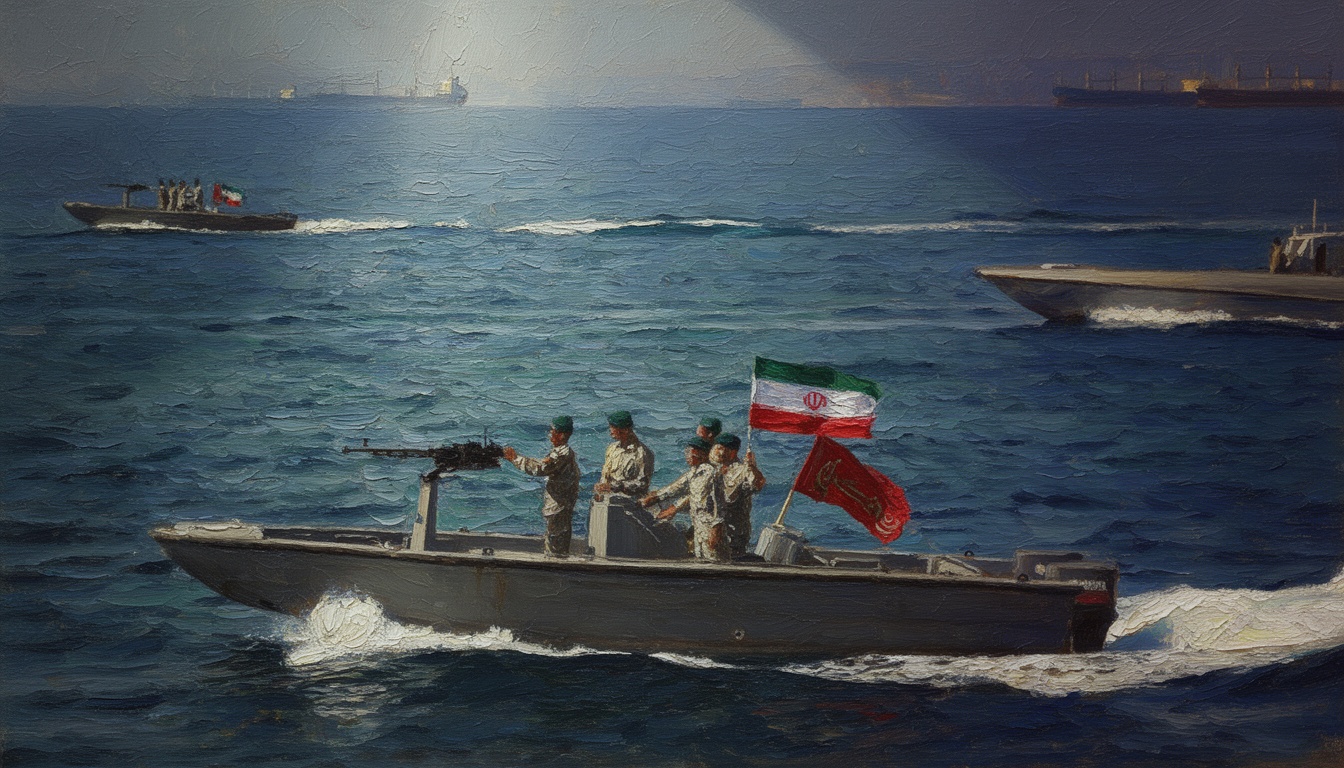
Iran has escalated attacks against ships in the Strait of Hormuz, following a recent extension of a ceasefire that Tehran has not committed to honoring. Reports indicate a rise in hostile actions targeting commercial vessels and naval units, with several incidents causing material damage but limited casualties. The escalation appears to be a direct challenge to interim diplomatic efforts and the credibility of external mediators seeking a durable halt to hostilities.
Background tensions have long centered on control of access to the Gulf and the security of critical sea lanes. Iran has repeatedly framed maritime assertions as responses to regional threats and sanctions, while adversaries warn that any reversion to full-scale hostilities could trigger a wider crisis. The ceasefire extension, while designed to reduce risk, has not produced a sustained reduction in naval confrontations and has left both sides maneuvering for leverage.
Strategically, the renewed aggression threatens to disrupt the flow of oil and LNG through the Strait, a chokepoint that underpins global energy markets. Foreign navies and commercial operators have increased escort and protection measures, raising the cost and risk of运输 through the Gulf. The strategic calculus favors deterrence and show-of-force postures as much as it does naval escalation, with both sides testing each other’s resolve and external mediators’ willingness to enforce terms.
Technical and operational details remain fluid. Reports describe attacks using small fast craft, missiles, and potentially mine-like devices targeting merchant ships and escort vessels. The exact affiliation of aggressors remains contested, with various state and non-state actors suspected of complicating events. Defense ministries have issued warnings and issued protective directives to fleets operating in the area, while maritime insurers reassess risk premia for Hormuz transit.
Looking ahead, the risk of accidental escalation remains high if incidents accumulate or miscalculate. International actors are pressured to translate diplomacy into verifiable de-escalation steps, including verification mechanisms, conflict-avoidance protocols, and clear red lines for all parties. Authorities should prepare contingency plans for rapid humanitarian and energy supply disruptions, and monitor for any sign of broader coalition-building around maritime security.