Iran Escalates Conflict, Asia’s Travel Sector Faces Major Disruptions
The ongoing crisis involving Iran is wreaking havoc on Asia’s tourism sector, risking a broader economic downturn across the region. Airspace closures and diverted flights are causing significant operational disruptions that could yield lasting impacts.
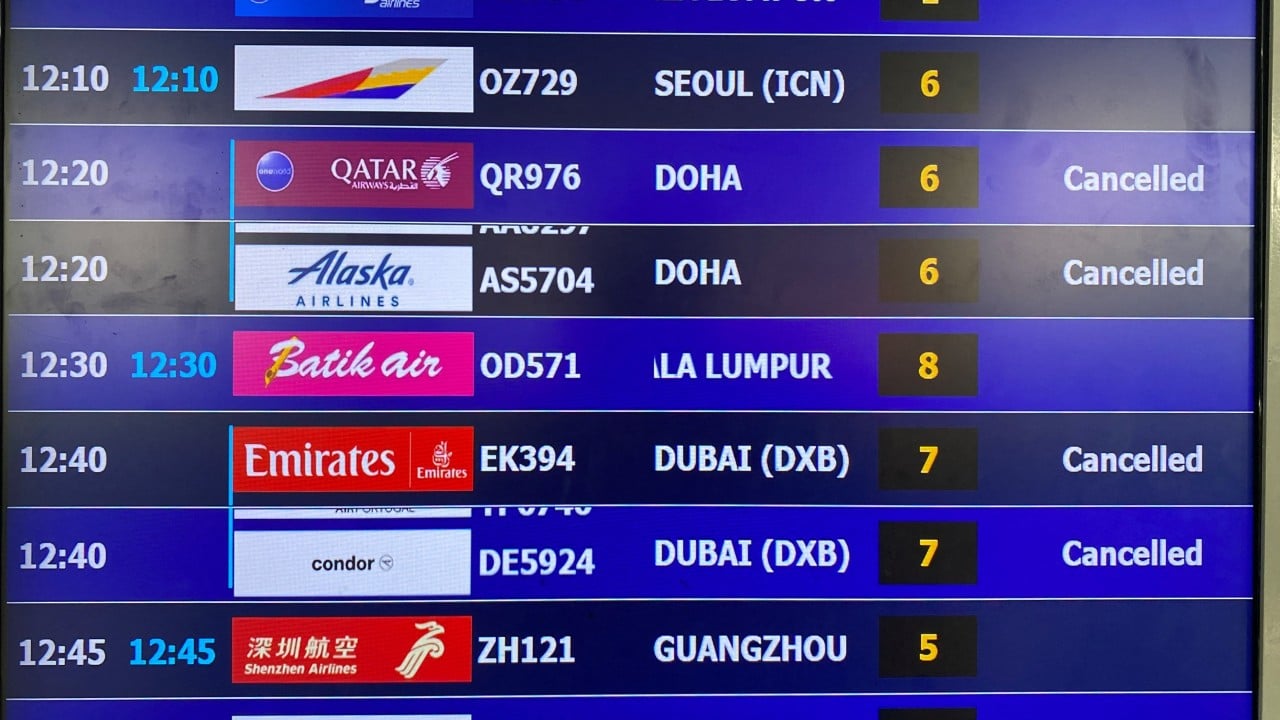
Iran's recent military escalations against U.S. and Israeli interests have triggered widespread airspace closures across the Middle East, resulting in tens of thousands of travelers being stranded. Major airlines are forced to divert numerous routes, exacerbating the already fragile recovery of the aviation and tourism industries in Asia. For over three days, key transit hubs such as Dubai and Doha have either shut down or reduced their operational capacity, further complicating travel connections between Europe and Asia.
The context of this crisis lies in the long-standing tensions surrounding Iran's nuclear ambitions, which have led to heightened hostilities with the U.S. and Israel. Following decades of sanctions and military posturing, the situation escalated sharply as Iran successfully fired missiles at key military targets in the region. This in turn has prompted aggressive responses from U.S. forces, with airstrikes reported against Iranian assets. The compounded effects of these military actions have profound implications for international air travel routes.
The significance of this disruption cannot be overstated, as it exposes the vulnerabilities of global supply chains and travel logistics in the face of regional conflicts. The strained airspace not only hampers commercial airlines but poses a threat to economic stability across Asian markets heavily reliant on tourism revenues. With many countries in Asia working hard to recover from the financial turmoil brought on by the COVID-19 pandemic, any setback from this crisis could lead to a potential domino effect, stalling growth across various sectors.
Key actors in this scenario include Iran, determined to assert its influence in the region, and the U.S., looking to maintain its strategic interests and alliances in the Middle East. Iran appears to be testing the limits of its military capabilities against perceived aggressors while attempting to rally regional support against U.S. policies. Conversely, U.S. responses, which might include increased troop deployments and further sanctions, aim to deter Iran but may further entrench regional divides and complicate the geopolitical landscape.
Operational details indicate that commercial airlines have had to re-route flights, affecting thousands of passengers. Major airlines such as Emirates and Qatar Airways, which serve as critical connectors for long-haul flights, are experiencing significant cancellations and delays. This could impose severe financial strains as these airlines absorb losses from disrupted operations which could reach millions of dollars daily.
The likely consequences of this crisis could lead to extended air travel restrictions, escalating military tensions in the region, and a resultant decrease in tourist arrivals across Asia. As the conflict expands, possible military engagements may occur, fueling uncertainty that deters both travelers and investors, further destabilizing regional economies reliant on tourism.
Historically, regional conflicts have often led to broader crises affecting international travel and trade. The Gulf War in the early 1990s serves as a precedent where airspace disruptions exacerbated already tense geopolitical situations, causing a significant downturn in global airline traffic and lasting economic impacts on affected nations. Learning from past events, it's evident that these disruptions can have far-reaching implications for the international community.
Looking ahead, analysts should closely monitor further military actions taken by both Iran and the U.S. as well as regional responses from allied nations. Indicators such as the speed of airspace re-openings, the level of conflict escalation, and shifts in travel patterns among Asian countries will signal the severity and duration of this ongoing crisis. The potential for a lasting impact on regional tourism and economic stability could become a reality if tension continues to rise, warranting increased attention from global defense and intelligence communities.