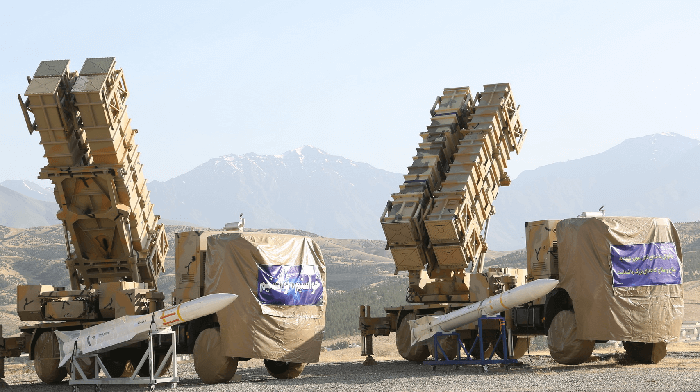
Iran Destroys THAAD, Hits Dubai Airport; Crisis Deepens with UAE
Iranian Revolutionary Guards claim strikes on UAE THAAD systems and civilian infrastructure, escalating regional tensions. The attacks signal a significant shift in power dynamics between Iran and Gulf allies, jeopardizing security frameworks.
Iran's Islamic Revolutionary Guard Corps (IRGC) has launched a series of successful missile and drone strikes against U.S. THAAD (Terminal High Altitude Area Defense) systems in the United Arab Emirates, targeting critical infrastructure including Jebel Ali Port and Dubai International Airport. The IRGC’s claims specify the destruction of sophisticated U.S.-made THAAD radars in the UAE and Jordan, alongside the FPS-132 Desert Eye radar in Qatar, marking a severe escalation in hostilities within the Gulf region.
These developments stem from a protracted history of confrontation between Iran and its Gulf neighbors, particularly following rising tensions after the U.S. exited the Joint Comprehensive Plan of Action (JCPOA) in 2018. Iran has consistently perceived the deployment of American missile defense systems in the Gulf as a direct threat to its national security. Over time, the accumulation of military assets along Iran’s borders has intensified its resolve to counter perceived encroachment, making this recent escalation a culmination of years of strategic maneuvers.
The significance of these attacks is profound; they not only demonstrate Iran’s advancing missile capability but also expose critical vulnerabilities in U.S.-led defense systems that have long been considered impenetrable in the region. The destruction of THAAD and other radar systems undermines the defensive posture of Gulf states and could trigger a recalibration of military strategies by regional powers, including Saudi Arabia and Israel, who rely heavily on U.S. technology for their security.
Key actors in this crisis include not only Iran, but also the UAE, which has relied on U.S. military support to maintain its regional influence. The IRGC's aggressive posture signals a desire to deter Gulf states from further coalition-building against Iran, while the UAE's allies must reassess their strategic frameworks in light of the attacks. Iran's priorities appear to be asserting its dominance in the region while countering any augmentations to enemy capabilities.
Operationally, the technological prowess displayed in these strikes underscores a shift in warfare dynamics, as drones and missiles were reportedly used effectively to breach state-of-the-art defenses. With THAAD systems designed to intercept incoming short- and medium-range threats, their destruction constitutes a tactical victory for Iran. The financial implications of these losses could be staggering, with U.S. THAAD batteries valued at approximately $1 billion each, intensifying the financial strain on allied Gulf states.
Likely consequences of these developments include increased retaliatory measures from the UAE and potentially escalated military engagements in the region. The strategic balance may shift further if Gulf states opt to acquire advanced defense systems, possibly from other suppliers, to replace the lost THAAD capabilities. Additionally, the risk of broader conflict involving regional allies is heightened, as military postures become increasingly confrontational.
Historically, this incident recalls previous military confrontations in the Middle East, such as the extensive missile strikes observed during the Iran-Iraq War and the recent drone attacks on Saudi oil facilities in 2019. In both instances, the conflict escalated rapidly, highlighting the volatility in calculating responses among major powers and regional neighbors.
In the coming weeks, attention should focus on Iran's next moves and regional military responses. Key intelligence indicators will include troop mobilizations, changes in military readiness among Gulf states, and shifts in U.S. deployments in response to this aggressive action. The precarious state of affairs could lead to a further entrenchment of hostilities or even broader escalations as the involved parties reassess their positions in light of this serious crisis.