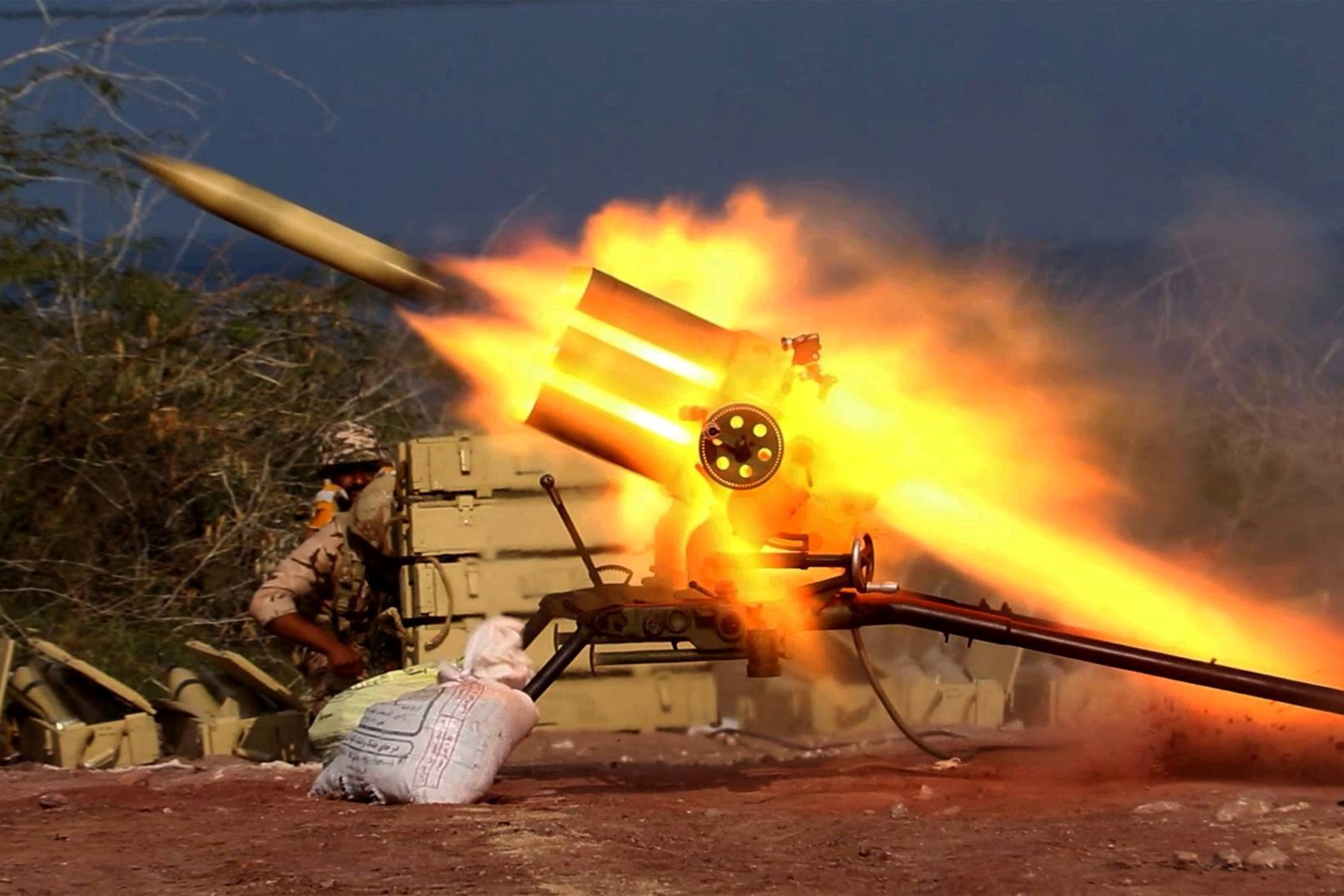
Iran Declares War Continuation: Trump Has No Say in Ceasefire
The Iranian Revolutionary Guard Corps (IRGC) asserts control over war outcomes, rejecting U.S. intervention. Trump's claims of a ceasefire face staunch dismissal from Tehran amidst escalating tensions.
The Iranian Revolutionary Guard Corps (IRGC) has made a defiant statement asserting that it is Iran, not U.S. President Donald Trump, which will determine the terms of any ceasefire or end to hostilities. This declaration comes shortly after Trump's announcement that U.S. military operations, termed 'Epic Fury,' would conclude soon, a claim Iran quickly rejected. As tensions simmer, the sinking of the IRIS Dena has intensified hostilities, complicating prospects for diplomatic resolution.
The backdrop to this crisis includes a long-standing hostile relationship between Iran and the United States, exacerbated by the reimposition of sanctions and military confrontations in the Persian Gulf. Following previous escalations since the 2018 U.S. withdrawal from the Joint Comprehensive Plan of Action (JCPOA), frequent skirmishes have become the norm. The sinking of the IRIS Dena, a naval vessel deemed significant for Iranian maritime claims, has further ignited a cycle of retaliation and aggression, making the idea of a ceasefire all the more remote.
This defiance from Iran signals a profound strategic risk in the region, suggesting that Tehran feels emboldened enough to reject external pressures. With the IRGC asserting its narrative as fortifying state power, the balance of military engagements in the Gulf is shifting. The ongoing instability also raises vulnerabilities for both regional actors and international shipping lanes, threatening a wider conflict if immediate actions are not taken to deter further aggressive posturings.
Key players in this confrontation include the IRGC, U.S. military forces operating in the area, and nearby Gulf states such as Saudi Arabia and the UAE, which remain anxious about Iran's growing influence. The IRGC's rhetoric underscores its commitment to maintaining regional dominance and protecting national sovereignty against perceived U.S. aggression. Meanwhile, Trump, in his political context, aims to project strength ahead of elections, though his grip on the situation appears tenuous at best.
Operationally, the U.S. has ramped up deployments in the region, with the invocation of 'Epic Fury' suggesting an increase in offensive capabilities, possibly involving advanced strike drones and naval assets. Conversely, Iran's naval capabilities, especially following the sinking of the IRIS Dena, are under scrutiny as it seeks to assert its power through retaliatory measures and enhanced missile defense systems. The ongoing military engagement now draws greater scrutiny over budget allocations and military readiness from neighboring states.
The consequences of this fraught scenario threaten to escalate significantly, with various vectors potentially leading to direct confrontations. If the U.S. maintains a hardline stance, coupled with Iran's resistance, a wider military engagement could ignite in the Gulf. Furthermore, regional allies may be compelled to position their forces in anticipation of potential Iranian aggression, thus exacerbating the precarious security situation.
Historically, similar standoffs have led to catastrophic conflicts and misunderstandings, such as the Iran-Iraq War. The current scenario mirrors the complexities of previous engagements where war was averted only through backdoor diplomacy or clear signals of deterrence—both of which seem absent in the current climate. Each party's failure to recognize the other’s redlines raises the risk of miscalculations leading to full-scale war.
Going forward, watch for intelligence indicators surrounding troop movements and naval operations in the Persian Gulf. Key signals will include the deployment of additional U.S. air and naval assets and any unusual IRGC mobilizations, as well as the potential for Iranian strikes in response to perceived provocations. Any shifts in rhetoric or aggressive actions could fundamentally alter the existing landscape of military engagements and lead to crises that may spiral beyond containment.