Iran Crisis Forces India to Choose Sides Between Powers
The assassination of Iranian Ayatollah Ali Khamenei disrupts India's balanced Middle Eastern strategy. India is now caught in escalating tensions between influential regional powers.
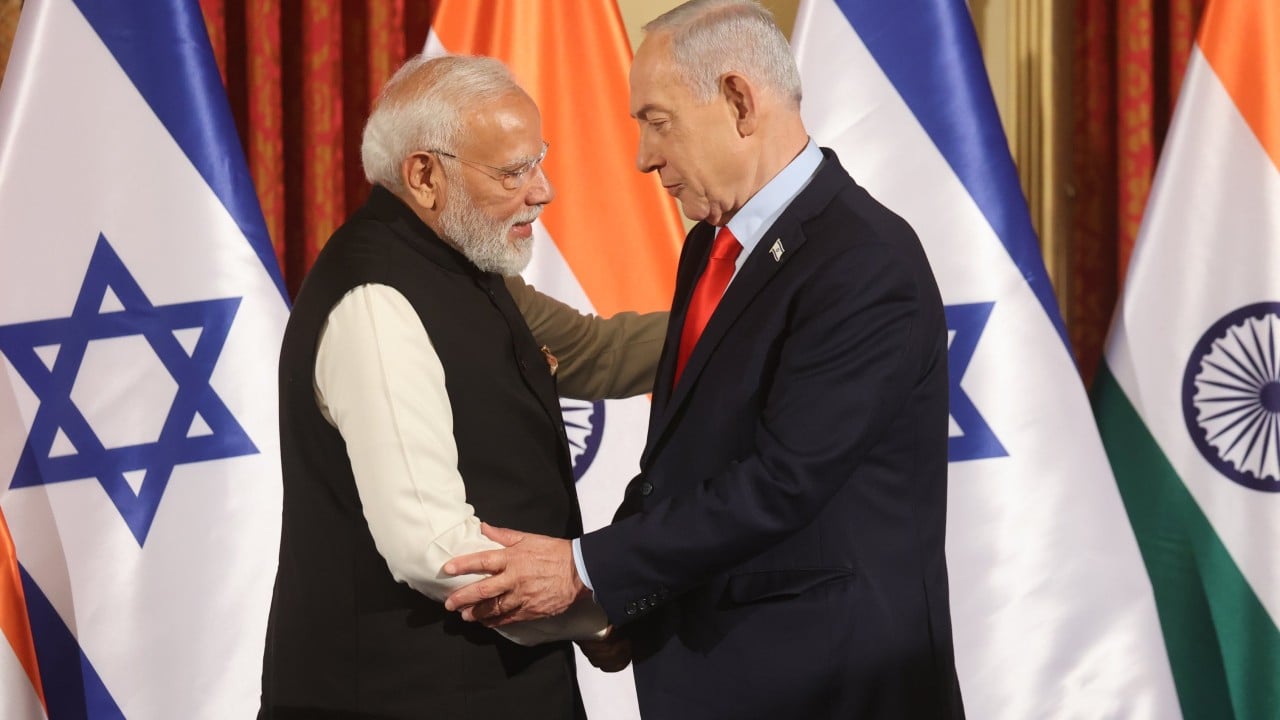
The recent assassination of Iranian Supreme Leader Ayatollah Ali Khamenei by US-Israeli strikes has plunged India into a geopolitical crisis. This significant act of violence occurred shortly after Indian Prime Minister Narendra Modi's visit to Tel Aviv, effectively challenging India's longstanding doctrine of 'dehyphenation' in the Middle East. With the regional balance destabilized, India now faces tremendous pressure to take a definitive stance amidst rising tensions between its key partners.
Historically, India has maintained a nuanced policy in the Middle East, fostering relationships with both Israel and Iran, as well as various Arab Gulf states. This strategy allowed India to pursue trade, energy needs, and defense ties without allowing inter-state conflicts to dictate its foreign relations. However, the brutal nature of the Khamenei assassination signals a substantial shift in regional dynamics that could undermine this policy and force India into a corner.
The significance of Khamenei's assassination registers beyond just Iran; it poses a direct challenge to India's diplomatic strategy in a volatile region characterized by power struggles. The balance that India has tried to uphold is now threatened, as both Iran and Israel engage in aggressive posturing. India's historical ties with Iran for energy supplies and its burgeoning defense cooperation with Israel complicate matters, as do Iran's regional ambitions and Israel's assertive security policies.
Key actors in this context include Iran, which is now likely to go on the offensive in retaliation against those it perceives as enemies, and Israel, bolstered by an assertive U.S. backing, pushing for further regional influence. Moreover, Modi's administration must navigate the delicate balance of public opinion domestically, which is increasingly influenced by the longstanding anti-Israel sentiment, even as it cultivates closer ties with Tel Aviv.
Operationally, Iran's military apparatus may now escalate its directed proxy campaigns against US and Israeli interests throughout the region. This desire for retaliation could manifest through various means, such as Iranian-backed militia attacks in Iraq and Syria or increased tensions in the Persian Gulf. Conversely, Israel may ramp up its military operations against Iranian assets in the region, straining its own alliances with Arab states that have normalized relations with it.
The likely consequences of this crisis include a de facto realignment of regional power structures, compelling India to reassess its foreign policy directives. With both Iran and Israel seeking to exert influence, any misstep could lead India to be caught in the crossfire, significantly straining its economic and military ties across the region. Additionally, growing hostilities could spark broader conflicts involving other regional powers such as Saudi Arabia, exacerbate energy security impacts, and inflame sectarian tensions.
Historical precedents like the Iranian Revolution and the Gulf War highlight how swift escalations can dramatically alter regional balances. India must remain vigilant about the implications, as its policy failure could lead to severe economic repercussions and a spike in geopolitical isolation, particularly if it must choose sides between its rivals.
In the immediate future, all eyes will be on how India navigates this precarious situation. Key indicators to watch include India's public statements, military readiness, and potential diplomatic overtures toward Iran or additional defense pacts with Israel. Furthermore, any changes in trade relations with either country could signal a shift in allegiances and reflect how effectively India manages this fraught diplomatic landscape.