Iran Crisis Escalates: US Military Campaign Set for Five Weeks
The United States intensifies military operations against Iran, signaling a major escalation in tensions. President Trump's aggressive posture aims to dismantle what he describes as a grave threat from Tehran, raising regional stability concerns.
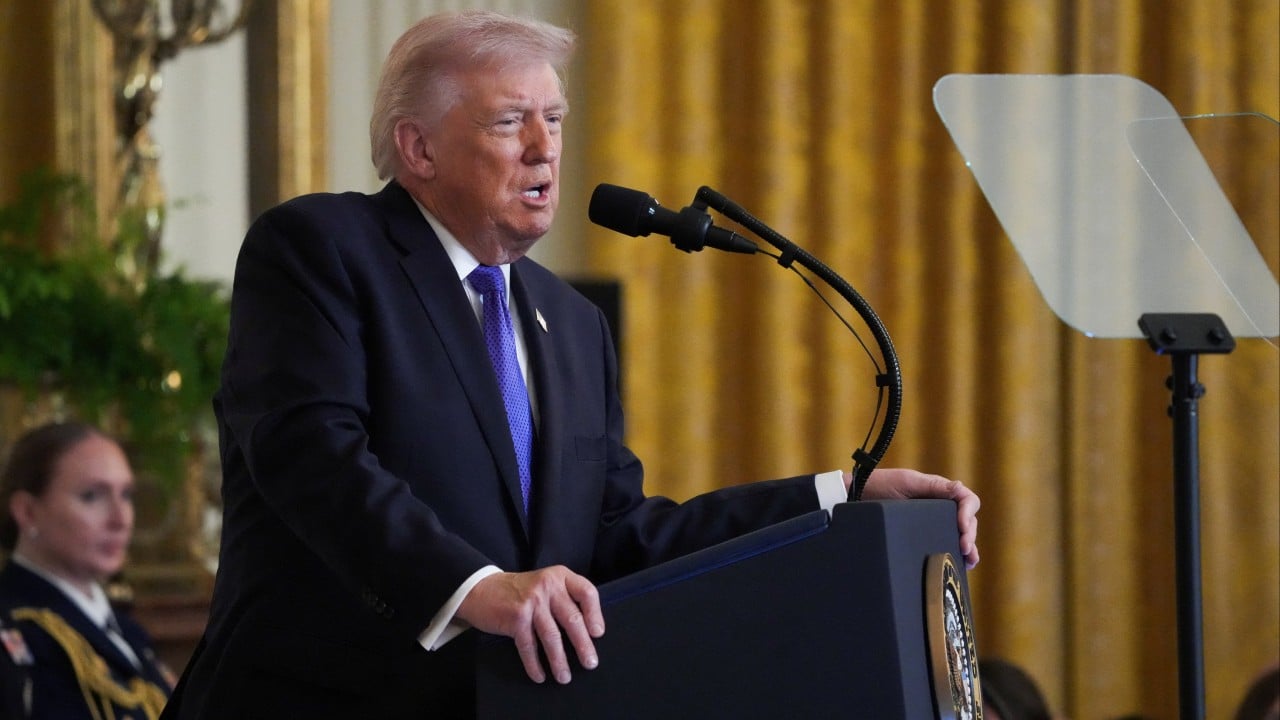
The United States has launched a sustained military campaign against Iranian interests, with President Donald Trump announcing operations will continue for up to five weeks. The declaration comes as airstrikes and naval maneuvers have surged, reflecting a decisive shift in US strategy in the Gulf region. Trump's rhetoric emphasizes a commitment to eradicate the threat posed by Iran, labeling the regime as 'sick and sinister.'
This escalation in hostilities follows years of rising tensions between Washington and Tehran, particularly since the US pulled out of the Joint Comprehensive Plan of Action (JCPOA) in 2018. The subsequent imposition of severe sanctions has choked Iran’s economy, fostering hostility and reciprocal aggressive gestures like missile tests and proxy attacks by Iranian-backed groups throughout the Middle East. The current military engagement marks a significant pivot from economic warfare to outright military confrontation.
The implications of this operation are far-reaching, jeopardizing regional stability and potentially drawing in other nations into a conflict. The deployment of additional naval assets in the Persian Gulf and the possibility of a broader coalition against Iran heighten the risks of miscalculation or unintended clashes. Allies and adversaries alike are closely monitoring the US's effectiveness in demonstrating its military resolve.
Key players in this scenario include the US military, allied forces in the region, and Iran’s Revolutionary Guard Corps (IRGC). Trump appears intent on showcasing a strong military stance to deter Iranian aggression while appeasing domestic hardliners who demand a robust response to Iran’s activities. This aggressive posture seems aimed at consolidating his political base rather than seeking a diplomatic resolution.
Operationally, the US has increased its forward presence with additional fighter jets, aircraft carriers, and drone units deployed to ensure preparation for prolonged engagement. The Trump administration's defense budget allocates billions towards advanced munitions and cyber capabilities specifically aimed at countering Iranian threats, including missile and drone technology improvements.
The likely consequences of these actions include heightened Iranian retaliation, which could manifest through proxy warfare or direct engagements against US assets. A prolonged military presence can ignite wider hostility in an already volatile region, potentially leading to an all-out confrontation that could engulf multiple states.
Historically, US-Iran confrontations have escalated into broader conflicts, as seen in the 1980s during the Iran-Iraq War, where US naval forces engaged Iranian assets. Furthermore, the Gulf of Tonkin incident, which led to increased US involvement in Vietnam, serves as a cautionary tale for misjudgments in military assessments.
Moving forward, key indicators to watch include Iran’s military response, potential shifts in regional alliances, and movements of US forces. Any signs of escalation from proxy groups or a direct confrontation with Iranian forces will signal whether this operation could spiral into a larger regional conflict.