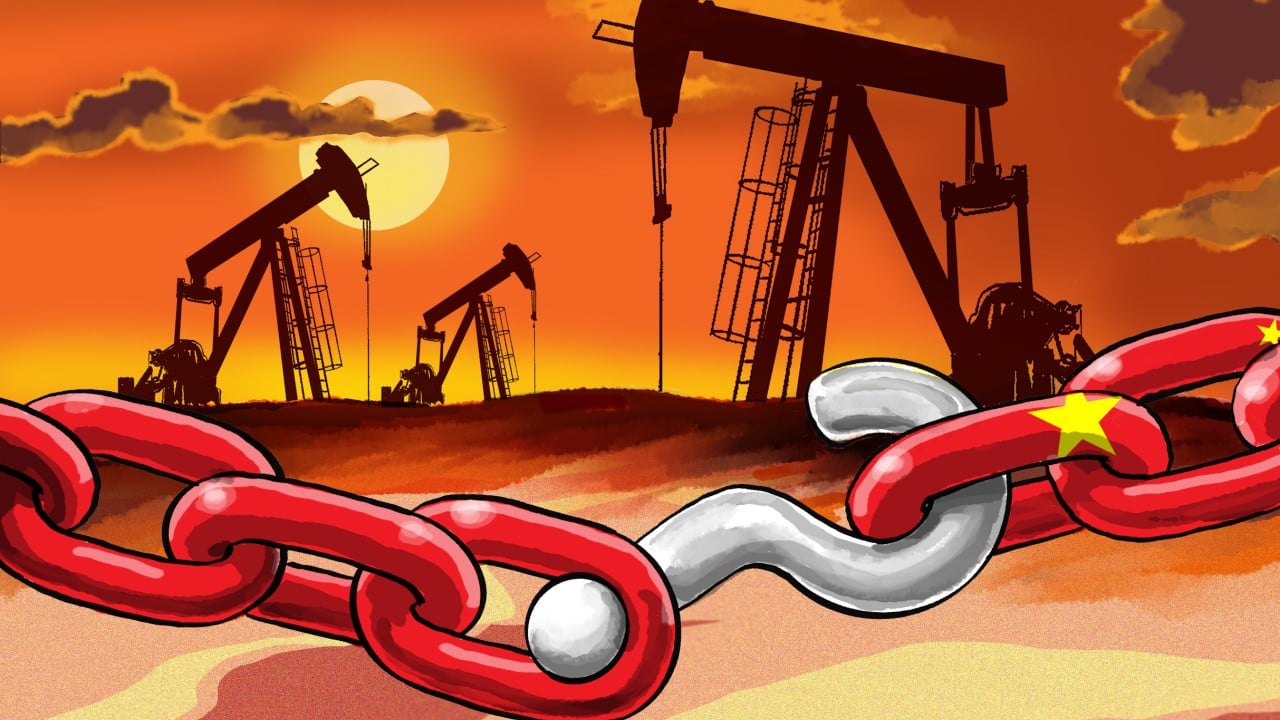
Iran Crisis Challenges China's Strategic Interests in the Region
China’s diplomatic maneuvers amid Iran's escalating conflict reveal deep strategic vulnerabilities. The instability threatens Beijing's energy supply and complicates its ongoing rivalry with the United States.
China's attempts at diplomacy in the face of escalating tensions in Iran have become increasingly critical as the region approaches a potential crisis. Tehran's actions, coupled with Western military posturing, have forced Beijing to reassess its strategic calculations as instability looms. With Iranian forces reportedly increasing their military mobilization, including ballistic missile tests, the situation may escalate into direct conflict, challenging China's interests in the region.
Historically, China's relationship with Iran has been a complex interplay of economic cooperation and geopolitical maneuvering. Initiated through energy dependencies and the Beijing-led Belt and Road Initiative, the Sino-Iranian partnership is primarily transactional. However, the unpredictable nature of Iranian politics and its nuclear ambitions complicate this relationship. China's past attempts to maintain neutrality have not shielded it from the repercussions of Iranian conflicts, underscoring the necessity for Beijing to navigate carefully in a volatile environment.
The significance of the ongoing situation in Iran is profound, as it has implications for global energy security and the stability of critical trade routes. Iran is a key player in international oil markets, and any major conflict could disrupt supply chains, impacting not just China but nations reliant on Persian Gulf oil. Additionally, deteriorating stability in Iran could enable the U.S. to strengthen its military presence in the region, thereby encircling China’s strategic interests.
The key actors involved extend beyond Iran and China—a resurgent U.S. military influence, Israel's ongoing security operations against Iranian proxies, and the various Gulf states whose interests are directly threatened by Iranian assertiveness. For China, maintaining energy imports and countering U.S. influence are paramount. While outwardly advocating for dialogue, Beijing's primary motivation lies in preserving regional stability that threatens its energy supplies and trade routes.
Operationally, the situation remains precarious. Iran's military capabilities include a diverse array of long-range missiles and armed drones capable of striking critical infrastructure throughout the Middle East. With an estimated 1,500 operational ballistic missiles, Tehran has the potential for immediate regional attack capability. Beijing must consider both its energy security strategy and the associated risks of supporting Iran amidst these escalating tensions, requiring a delicate balancing act.
The likely consequences of continued escalation in Iran could lead to significant military clashes involving regional powers, with China being drawn into a geopolitical crisis that it aims to avoid. As the conflict intensifies, Beijing may have to reassess its support for the Joint Comprehensive Plan of Action, which aims to prevent Iran from developing nuclear weapons. This crisis could incentivize Iran to further ramp up its uranium enrichment programs to counter perceived threats.
Historical parallels can be drawn to China's past strategic calculations during the Syrian Civil War, where it sought to maintain influence while war outcomes destabilized its interests. China's emphasis on diplomatic solutions proved insufficient to shield its economic stakes from the fallout of a prolonged conflict just as it may now be ineffective in mitigating risks posed by Iran.
Moving forward, critical indicators to observe include any significant changes in military activity within the Gulf, shifts in U.S. policy regarding sanctions or military deployments, and Iran's potential responses to further isolation. Intelligence assessments around Iranian missile tests and naval operations in the Strait of Hormuz will likely signal steps toward escalation. The situation evolves, and it calls for the international community to remain vigilant as the stakes continue to rise.