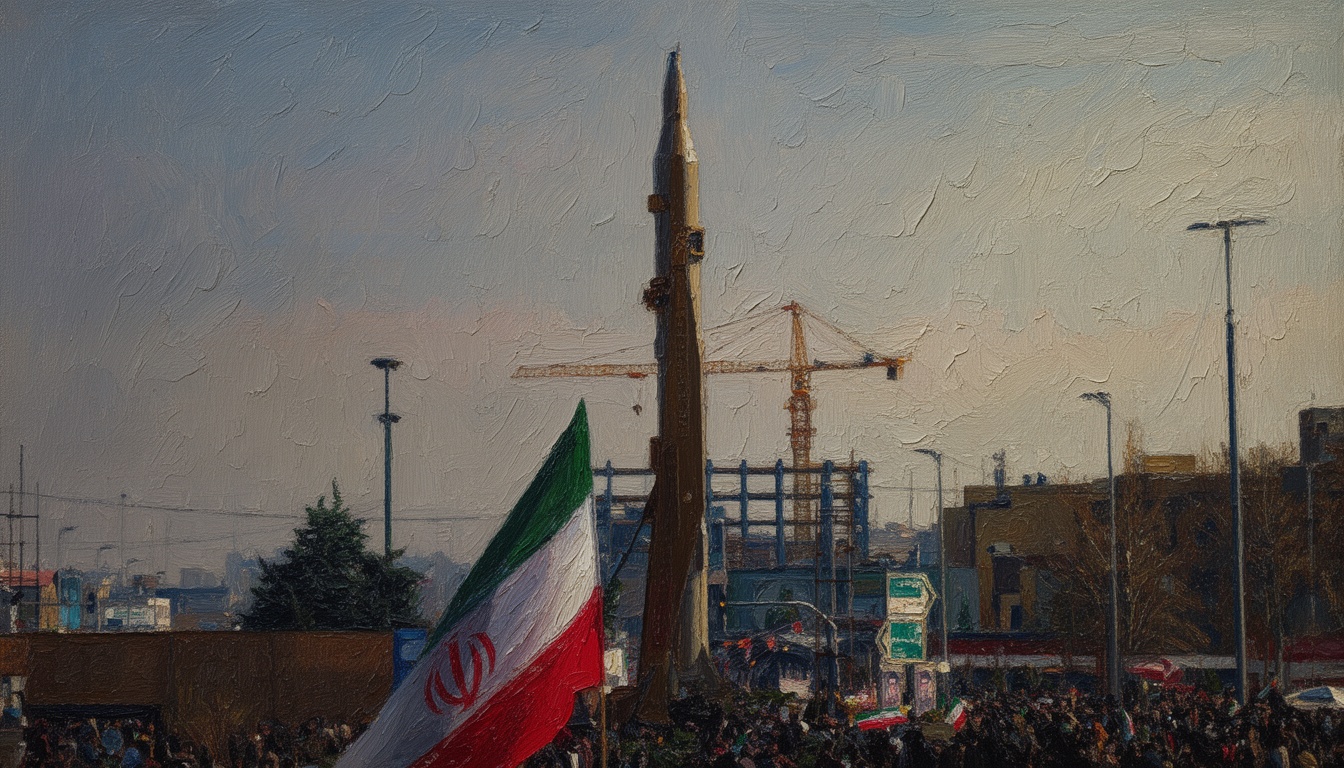
Iran Conflict: Tehran and Washington fire new weapons
Strategic friction between Tehran and Washington escalates as both sides reportedly deploy advanced munitions. The exchange hints at a broader modernization of regional warfare, with potential global security implications.
English content:
The core development is a sharpened exchange between Iran and the United States, featuring new weapons on the battlefield. Reports describe upgraded, extended-range Iranian missiles alongside America’s deployment of drones inspired by Tehran’s capabilities. The conflict becomes a real-world testing ground for next-generation ordnance and countermeasures. These developments signal a sustained, high-stakes crisis with potential spillover effects across the region and beyond.
Background framing situates this clash within a longer arc of proliferating precision strike capabilities and urban warfare enhancements. Tehran has emphasized missile modernization as a deterrence pillar, while Washington has pursued diversified drone and electronic warfare options. The convergence of these programs indicates a strategic intensification rather than a mere episodic flare-up. The broader security environment absorbs new lessons about risk, attribution, and escalation thresholds.
Strategic significance lies in how these weapons change the balance of power in the Gulf and in regional alliance dynamics. If Iran’s missiles achieve broader accuracy and range, Gulf states may accelerate hedge strategies and seek new defensive architectures. Washington’s drone presence and potential counter-drone advances alter access to contested airspace and complicate decision cycles for regional actors. The crisis thus reframes deterrence calculations for multiple state and non-state actors.
Technical/operational details include references to missile program upgrades, including extended-range capabilities, and the deployment of drones with Iranian design influence. Budgets, procurement bursts, and deployment timelines remain unclear, but the pattern points to rapid capability turnover and experimentation under combat pressure. Command-and-control networks, tailorable munitions, and electronic warfare suites are likely areas of concurrent development. The result is a more complex fight space with greater uncertainty about outcomes.
Forward assessment suggests a sustained escalation with potential for inadvertent incidents and broader regional destabilization. Diplomatic channels will face heightened strain as both sides test red lines and response options. If the trend continues, allied jurisdictions may deploy additional defense systems and early warning networks, while adversaries explore symmetric and asymmetric retaliation options.