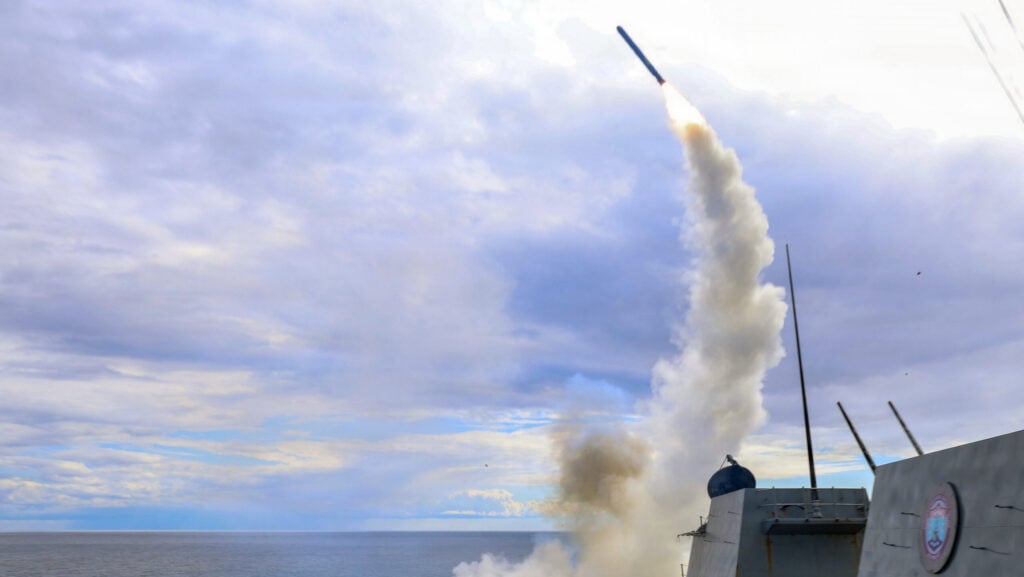
Iran Conflict Strains Munitions Supply, Forces Urgent Supplemental Funding
The ongoing conflict with Iran has severely depleted munitions stockpiles, threatening regional deterrence and military preparedness. Urgent supplemental funding is now critical to sustain operations and defense strategies.
The conflict with Iran has triggered an unprecedented consumption of munitions, leading military officials to declare a critical need for supplemental funding to replenish ordnance stocks. The expenditure rates are alarming, with reports indicating that current munitions levels are diminishing faster than anticipated, necessitating immediate action to sustain ongoing military operations. This urgent supplemental is no longer a question of budgeting but a dire necessity for operational viability.
The backdrop to this crisis dates back to escalating tensions with Iran, particularly following the U.S.'s withdrawal from the Joint Comprehensive Plan of Action (JCPOA) in 2018. Since then, military confrontations, including targeted airstrikes and retaliatory actions, have intensified, leading to a sharp rise in munitions utilization. Coupled with Iran's growing regional influence and aggressive actions, this conflict has drawn in multiple military powers, embroiling them in a costly and drawn-out confrontation.
The strategic implications of this munitions depletion are profound. A significant drop in available ordnance not only erodes deterrent capability against Iranian aggression but also creates openings for adversarial conduct throughout the region. Allies may perceive weakened resolve, prompting them to recalibrate their security assumptions and defense postures. In essence, this scenario increases the likelihood of miscalculations and escalatory behaviors.
Key actors, including U.S. military leaders and defense contractors, have their motivations sharply aligned with sustaining munitions production and combat readiness. The military acknowledges that it cannot afford to appear vulnerable in the face of Iranian threats, while defense contractors view this crisis as an opportunity to secure lucrative contracts for replenishing munitions. Their united front in calling for supplemental funding obscures underlying concerns about prolonged engagement and resource management.
Operationally, the U.S. and its allies are currently utilizing precision-guided munitions (PGMs) and various missile systems at unprecedented rates. The depletion rate suggests monthly usage levels outstripping the production capacities of leading defense contractors, risking a long-term gap that could take years to rectify. Reports indicate the Defense Department's funding request is set to surpass $10 billion to offset these shortages in the next fiscal cycle.
The likely consequences of this scenario point toward a significant escalation in hostilities if munitions replenishments do not materialize swiftly. As operations continue and pressures mount to respond to Iranian provocations, any shortfall may force military leaders to limit their engagement capabilities or prioritize missions, ultimately leaving gaps in deterrence where adversaries may exploit weaknesses.
Historically, military engagements have faced similar challenges, such as during the Iraq War when rapid munitions consumption necessitated emergency funding and logistics supply chains. Those experiences illustrate the broader systemic issues of resource management in protracted conflicts and the dangers of insufficient preparedness for drawn-out engagements.
Moving forward, the situation warrants close monitoring of Congressional responses to the supplemental funding request, as well as the production timelines from defense contractors. Critical indicators will include changes in munitions production rates, announcements of new contracts, and U.S. military shifts in operational tempo as they adapt to dwindling resources or increased tensions with Iran. The broader implications of supply chain vulnerabilities are expected to affect international defense strategies beyond just U.S.-Iran relations, as other nations reassess their own military stockpiles and procurement strategies.