Iran conflict shines a light on UK’s ‘stretched’ naval capabilities: Analysts
Britain's limited naval deployment in response to the Iran conflict exposes critical capability gaps and strategic vulnerabilities compared to France's substantial maritime presence. The crisis underscores the UK’s declining force projection in high-risk regions and raises fresh doubts about its global naval ambitions.
Britain’s inability or unwillingness to match France’s large-scale naval deployment during the Iran crisis has thrown the Royal Navy’s operational limitations into stark relief. French forces have mobilized a significant flotilla, while UK assets remain limited, raising questions over whether this is a deliberate strategy or the consequence of deep-rooted resource constraints.
The UK has faced years of naval downsizing and budgetary squeeze, with just 19 surface combatants operational in 2024, down from over 30 at the start of the millennium. This hollowing out has left the Royal Navy struggling to field sustained blue-water forces, especially as tensions flare in the Gulf following Iranian escalation and threats to regional shipping.
Globally, the discrepancy between British and French responses exposes a dangerous capability gap among NATO’s primary European powers. This signals to rivals and allies alike that the UK’s capacity for forceful intervention beyond its immediate periphery is eroding. It also spotlights France’s ascendancy as Europe’s foremost maritime power, as Paris commits multi-ship task groups while London dispatches token vessels.
Key actors include the UK Ministry of Defence, facing mounting pressure from Parliament and international partners to justify its declining naval posture. France, seeking to fill the vacuum, aims to assert itself as the leading European security guarantor in critical shipping lanes. Both nations seek to deter Iranian adventurism, but operate from vastly different starting points.
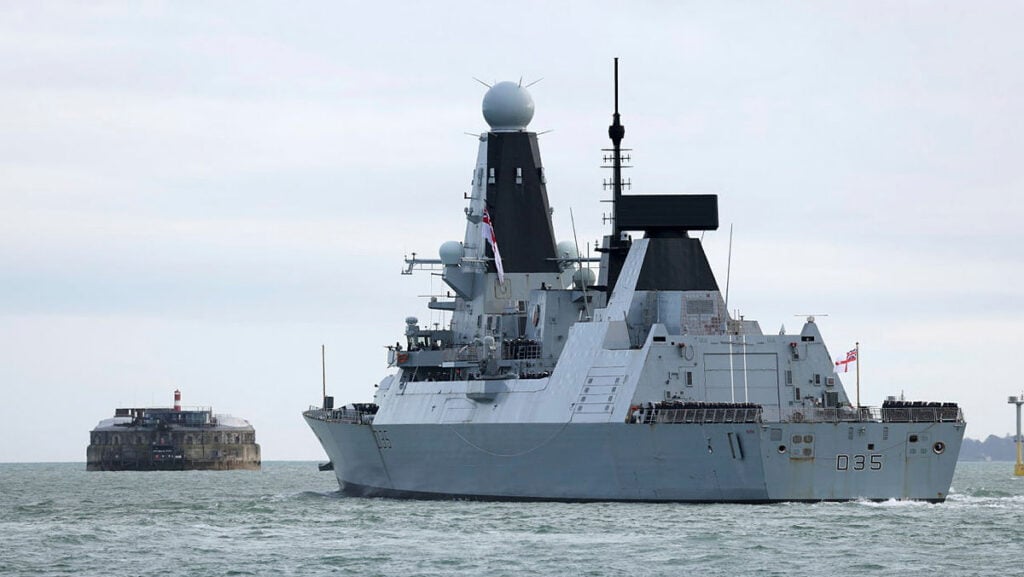
UK’s surface fleet is centered on the Type 45 destroyers and Type 23 frigates, many of which are often sidelined by maintenance or manning shortages. In direct comparison, France rapidly assembled a significant task force, including its flagship aircraft carrier Charles de Gaulle, highlighting UK’s chronic readiness shortfalls.
This operational disparity may invite escalation or embolden adversaries, exposing British interests and allied assets in the Gulf to greater risk. With just two Royal Navy ships patrolling compared to France’s five, deterrence on critical SLOCs (Sea Lines of Communication) is clearly asymmetric.
Historically, Britain has prided itself as a global maritime power—from the Falklands campaign to Gulf War deployments—but present realities show a marked decline in its ability to surge forces rapidly. Previous coalition operations have drawn heavily on UK leadership, a mantle now claimed by France in the Gulf theater.
Intelligence watchpoints: monitor MOD decisions for urgent fleet surges, emergency procurement, or increased joint operations with allies. Watch for Iranian attempts to exploit maritime gaps or French diplomatic maneuvers positioning Paris as the EU’s naval spearhead. The window for UK recovery is narrowing, with long-term credibility at risk.