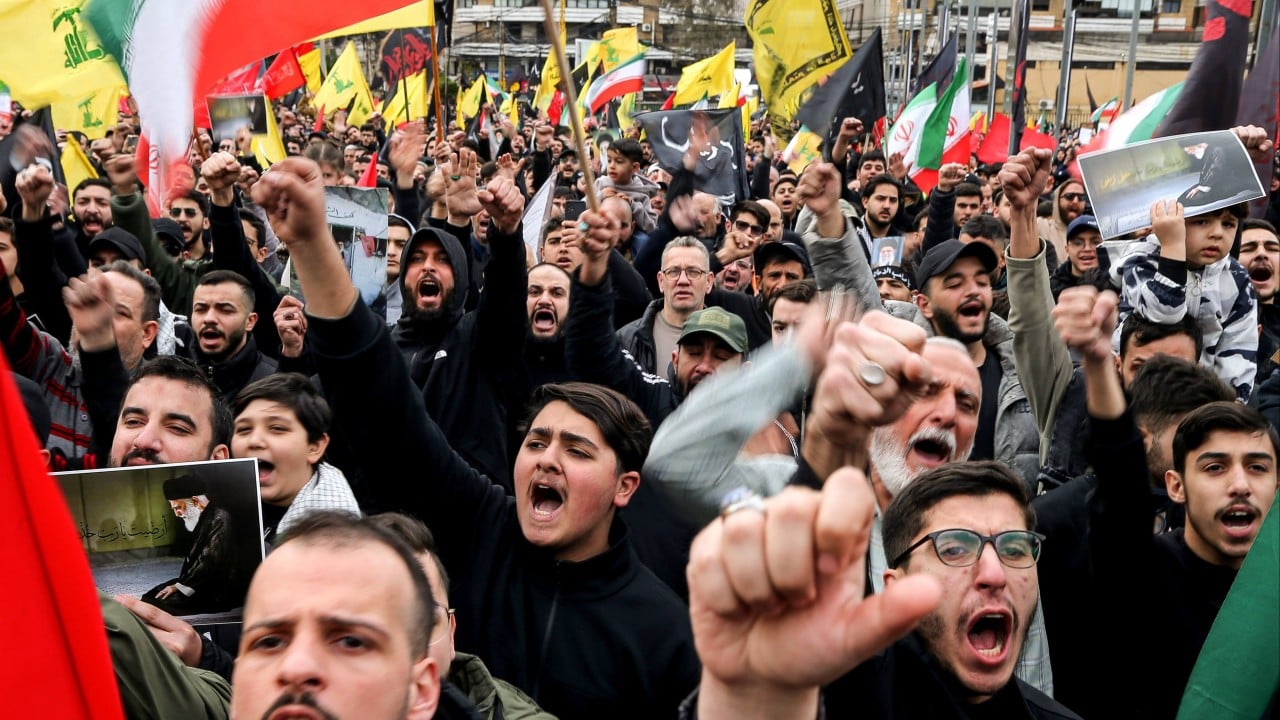
Iran Conflict Escalates, Global Markets Plummet Amid Crisis
Iran's ongoing military crisis with the US and Israel triggers significant market turmoil. Investor fears of a broader Middle Eastern conflict are leading to steep sell-offs across global financial sectors.
The military conflict involving Iran escalated further on Monday as United States and Israeli forces intensified their operations against Tehran, prompting a massive sell-off across global financial markets. Dow futures plummeted by as much as 570 points, while the S&P 500 and Nasdaq futures experienced declines of 1% and more, respectively. This market reaction reflects entrenched fears regarding the potential for a more extensive regional conflict that could disrupt global supply chains and significantly impact energy prices.
This latest escalation traces back to ongoing tensions in the Middle East, particularly surrounding Iran's nuclear ambitions and its support for proxy militia groups throughout the region. The United States has imposed a series of sanctions against Tehran, while Israel has conducted airstrikes against Iranian positions in Syria and other locales. As the situation has sharply deteriorated, allies in the region are being drawn into the conflict, sparking a cycle of military responses that amplify the risks of wider confrontation.
The significance of this crisis cannot be understated. Strategic risks are rapidly escalating as both the US and Israel position themselves against perceived Iranian aggression, which could destabilize not just the region but also global markets dependent on Middle Eastern oil. The uncertainty surrounding energy supplies has already prompted a spike in oil prices, which could exacerbate inflation and economic instability worldwide as countries recover from the ongoing fallout of the COVID-19 pandemic.
Key actors in this conflict have distinct motivations that may not align with their public statements. While the US and Israel frame their military actions as necessary for regional security and the prevention of a nuclear crisis, Iran's leadership could leverage this escalation domestically to consolidate power amid widespread economic struggles, asserting itself as a defender against foreign aggression. Meanwhile, regional powers like Saudi Arabia and Turkey, watching the conflict closely, may see opportunities to advance their own strategic interests amid the chaos.
Operationally, the US and Israeli military campaigns have involved the utilization of advanced weaponry, including precision-guided munitions and aerial drones, aiming to neutralize Iranian military capabilities. The potential for ground troop deployments remains a possibility, as additional forces have been placed on heightened alert in the region. This military commitment could entail significant financial costs, estimating potential expenditures in the billions, adding further pressure to the already strained fiscal situations of involved nations.
As this situation unfolds, several consequences emerge, with one of the most concerning being the potential for a protracted conflict that drags in more regional players. The intertwining of economic and military interests could catalyze a broader geopolitical crisis, leading to increased refugee flows, further destabilization in countries like Iraq and Syria, and a humanitarian disaster that would necessitate international intervention.
Historically, this escalation shares parallels with past conflicts in the region, such as the Gulf War and the Iraq War, where misunderstandings and miscalculations led to protracted military engagements and vast economic repercussions. The global community cannot afford to overlook the potential for history to repeat itself as military actions deepen entrenchments and complicate diplomatic solutions.
Looking ahead, intelligence analysts must focus on key indicators that could signal further escalation, such as troop movements, economic sanctions, and shifts in public sentiment within Iran and its neighbors. Additionally, monitoring oil market fluctuations and responses from major powers, including China and Russia, will be essential to gauge the full scale of the crisis and predict potential countermeasures that could be employed in the interest of national or regional security.