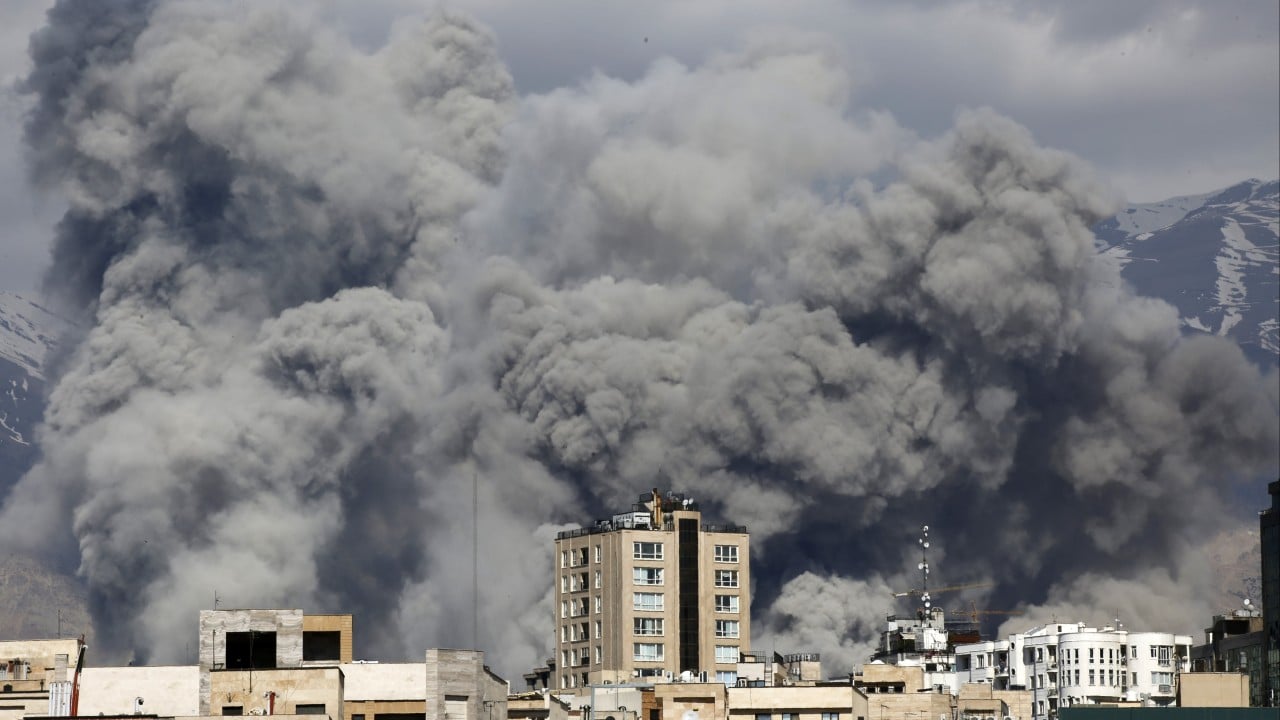
Iran Conflict Cuts China’s Sulphur Imports as Crisis Deepens
The ongoing Iran conflict severely disrupts China's sulphur supply, threatening food production. With rising prices, this represents a critical vulnerability in China's agricultural sector and regional supply chains.
The Iran conflict is wreaking havoc on China's sulphur imports, directly threatening the country's agriculture, particularly as it approaches the crucial spring planting season. With reports indicating that supplies from the Persian Gulf have been drastically affected, Chinese buyers are already facing soaring prices amid tightening market conditions. The closure of the strategically vital Strait of Hormuz is exacerbating these challenges, highlighting the geopolitical risks associated with China's heavy reliance on external sources for critical resources.
Historically, China has sourced approximately 47% of its sulphur supply from the Persian Gulf, and the ongoing tensions in the region are contributing to an increasingly unstable supply chain. As tensions between Iran and other regional powers escalate, the situation is transforming from routine trade disruptions to a significant economic crisis. This all comes as global energy markets are already strained, further complicating the dynamics around critical raw materials.
This situation is not merely an economic inconvenience; it represents a strategic vulnerability for China. The reliance on imports from geopolitically volatile regions puts immense pressure on China’s domestic agricultural production and food security. Higher fertiliser costs could lead to increased food prices, sparking inflation and social unrest as food insecurity remains a critical issue for the Chinese government.
Key players in this scenario include the Iranian government, which is likely motivated by a desire to defy international pressures, while China seeks to secure its food supply chain amid rising geopolitical tensions. Iran’s influence over the Strait of Hormuz gives it considerable leverage, especially when it comes to interrupting trade routes vital to major economies like China. The Chinese government’s response will likely involve diplomatic efforts to stabilize relations with Persian Gulf nations while seeking alternative sulphur sources.
On the operational side, sulphur is primarily imported to China for the production of fertilisers, and alternative supplies may not be immediately available or could come at a steep price. The surge in prices results from immediate panic in the market, as Chinese buyers scramble to secure supplies amidst the ongoing military conflict. As spring planting is crucial for China's harvest, disruptions in sulphur availability could have long-lasting repercussions on agricultural output.
The consequences of this crisis could ripple through multiple sectors of the global economy, affecting not just fertiliser prices but also commodity markets linked to food output. If the conflict persists, there is a very real risk of food shortages in China, coupled with increased inflationary pressures. Monitoring responses from China and Iran will be critical in understanding the trajectory of this situation.
This scenario is reminiscent of previous crises where geopolitical tensions have disrupted supply chains, such as the 1973 oil crisis that highlighted vulnerabilities in dependency on Middle Eastern resources. Each escalation risks not only economic repercussions but could potentially lead to broader geopolitical conflicts.
Looking ahead, watchers of this ongoing crisis should closely monitor China's diplomatic maneuvers in the Middle East and any signs of military escalations in the region. Key indicators include changes in shipping patterns in the Strait of Hormuz, burgeoning negotiations for alternative supplies, and domestic agricultural policy adjustments within China as food security becomes a pressing concern.