Iran Closes Strait of Hormuz to Enemy Allied Shipping
Iran’s Revolutionary Guards shut the Strait of Hormuz to ships destined for ports allied with Israel and the US, escalating tensions in one of the world’s most vital maritime chokepoints. This move risks disrupting global oil flows and marks a stark escalation in Tehran’s confrontation with Western powers.
Iran’s Islamic Revolutionary Guard Corps (IRGC) declared the Strait of Hormuz closed to all shipping headed to or from ports associated with what it calls the "Zionist-American enemies." On Friday, the IRGC said it intercepted and turned back three container ships attempting transit through the strait. Warnings were issued to vessels from different nationalities, signaling Iran’s readiness to enforce its blockade aggressively.
The Strait of Hormuz is a strategic chokepoint connecting the Persian Gulf to the Arabian Sea, through which approximately 20% of the world’s seaborne oil passes. Iran has repeatedly threatened disruptions here amid ongoing geopolitical rivalries, especially targeting US and allied Gulf Arab nations. The latest blockade follows a string of recent provocations and sanctions that have heightened regional instability.
Strategically, closing the strait to vessels linked to Israel and the US represents a significant escalation by Iran, leveraging one of the world’s most critical maritime arteries to impose political leverage. It risks inflaming tensions not just with Western navies operating in the region but also with global energy markets heavily dependent on uninterrupted oil shipments.
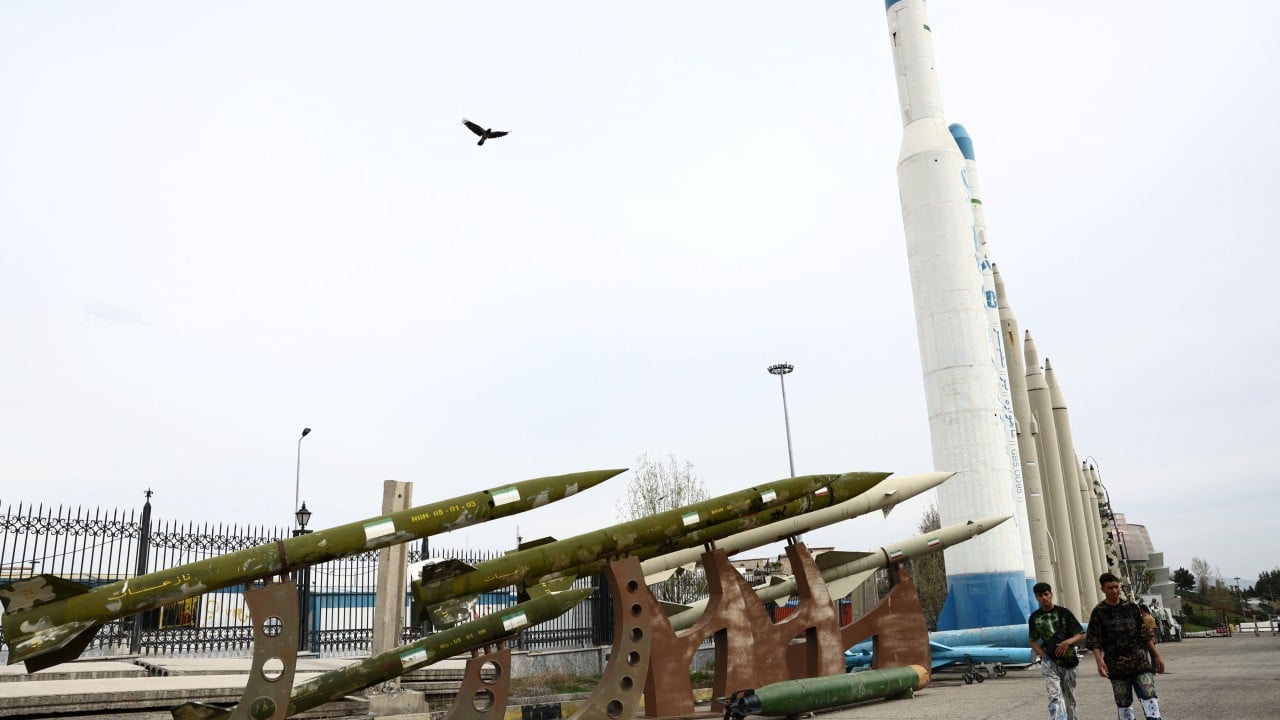
The IRGC Navy, reportedly equipped with fast attack craft, missile boats, and coastal defense missile batteries, remains the primary force controlling the strait. The three detained ships included container vessels flagged by multiple countries, demonstrating Iran’s intent to enforce a broad and unmistakable blockade rather than selective interceptions.
Looking forward, this blockade threatens severe disruption to maritime commerce and oil markets, raising risks of a wider military confrontation. International efforts to safeguard navigation routes and diplomatic pressure on Iran will likely intensify, but Tehran appears prepared to sustain this coercive posture to counter US-led pressure and assert regional dominance.