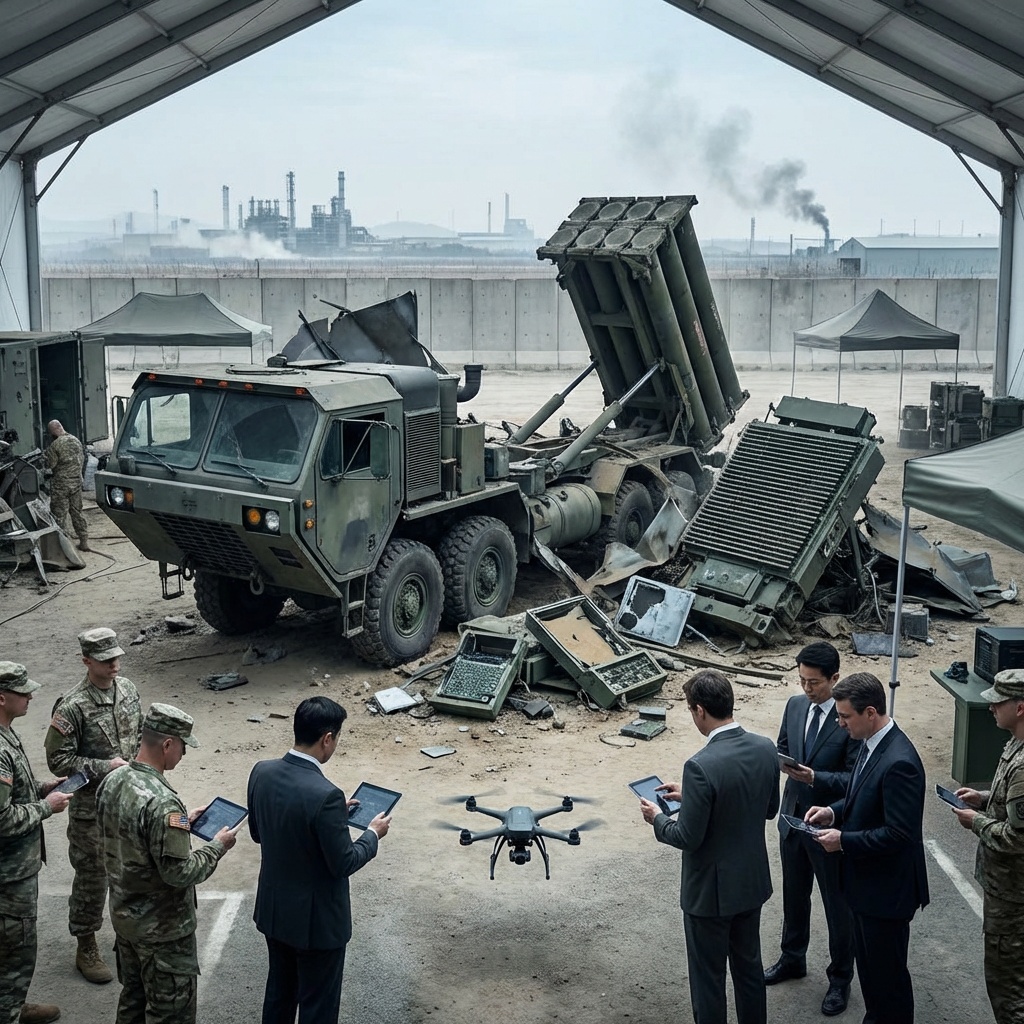
Iran Claims Successful Strikes Against UAE Defense Infrastructure
Iran's Revolutionary Guards assert destruction of US THAAD systems and radar facilities in the UAE region. These actions signal an intensification of military conflict and highlight vulnerabilities in regional defense capabilities.
In a recent escalation of hostilities, Iran's Islamic Revolutionary Guard Corps (IRGC) has announced successful strikes against advanced US military infrastructure, specifically targeting Terminal High Altitude Area Defense (THAAD) systems in the United Arab Emirates, Jordan, and Qatar. This announcement includes claims of damage to the US FPS-132 'Desert Eye' over-the-horizon radar, a critical component for regional surveillance and missile detection. The implications of these strikes are profound, as they challenge the effectiveness of deployed defense systems meant to protect against aerial threats.
The THAAD system, widely regarded for its capability to intercept short, medium, and intermediate-range ballistic missiles, employs advanced radar technology and has been pivotal in the defense posture of the UAE amidst regional tensions. Similarly, the 'Desert Eye' radar provides critical over-the-horizon surveillance, enhancing situational awareness. If these claims are substantiated, they indicate not only a significant tactical victory for Iran but also underline potential gaps in the defense strategies employed by the US and its allies in the region.
The strategic significance of these attacks extends beyond immediate military implications; they demonstrate Iran's evolving capabilities in missile and drone warfare, which could embolden its regional ambitions. Moreover, the targeting of civilian infrastructure, such as the Jebel Ali Port and Dubai Airport, underscores a potential shift in Iranian tactics, aiming to inflict economic damage and undermine public confidence in the UAE government. This broadens the conflict beyond mere military engagement to a more comprehensive psychological and economic warfare scenario.
Iran's announcement highlights a need for reassessment of regional defense strategies and readiness levels. As the conflict intensifies, the balance of power in the Gulf could shift, prompting a re-evaluation of US military commitments and possibly leading to increased military presence or support for allied nations. Furthermore, these developments may catalyze discussions among Gulf States regarding shared defense initiatives and systems enhancements to counteract Iranian capabilities.
Manufactured primarily by Lockheed Martin, the THAAD system has served as a cornerstone of missile defense for the UAE. The potential destruction of such critical technology raises questions about future procurement and investment in missile defense systems in the region. As further details emerge about the reported damage and the extent of operational capability remaining, it will become increasingly significant for both US and allied forces to analyze and adapt to this changing landscape.