Iran Claims Cruise Missile Strike on USS Abraham Lincoln
Iran's military claims a missile hit on the USS Abraham Lincoln carrier, escalating tensions with the US Navy. If true, it marks a significant provocation in the Gulf, highlighting Tehran's missile reach. The incident risks igniting wider conflict between Iran and US-led forces in the region.
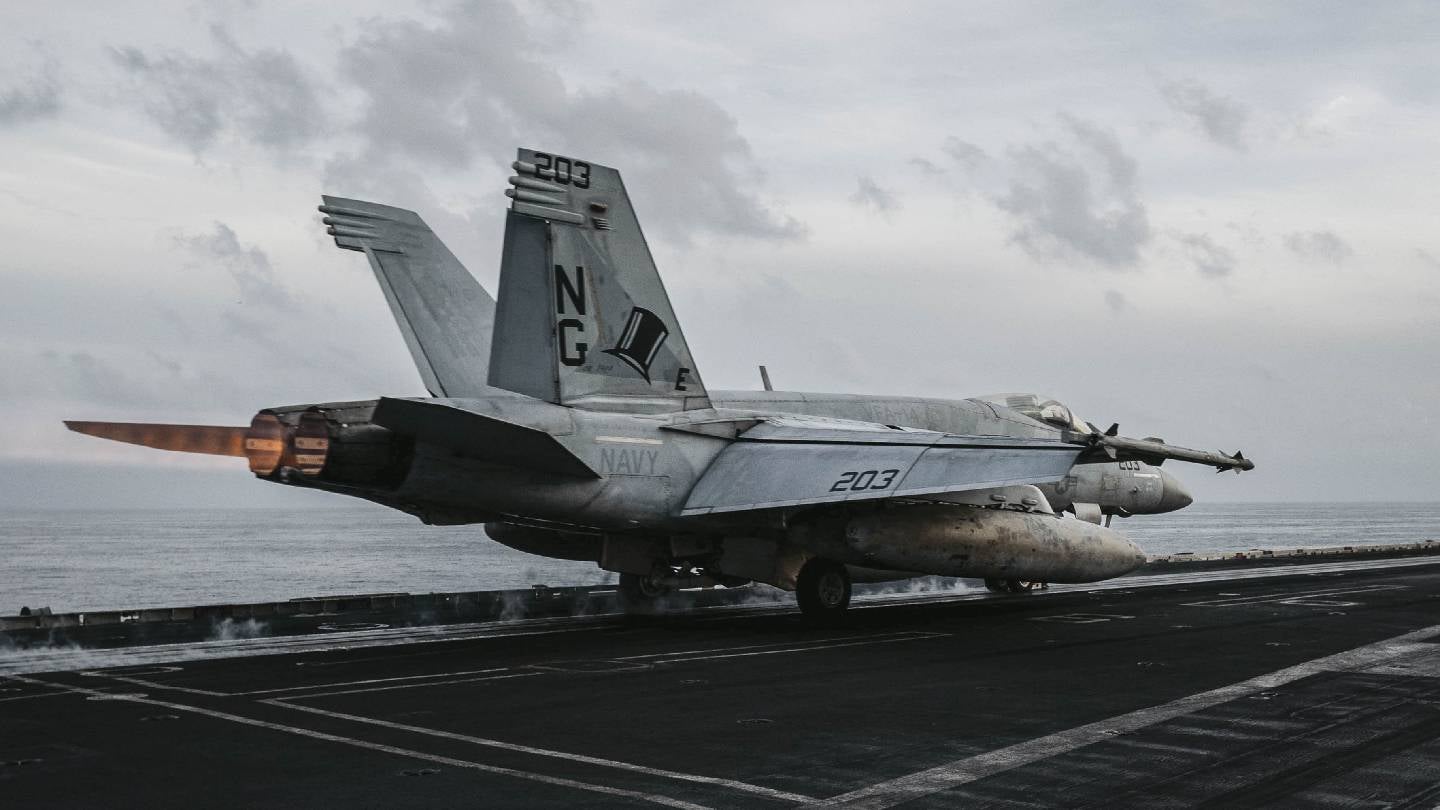
Iran’s Army has claimed it launched coastal cruise missiles that struck the USS Abraham Lincoln, a Nimitz-class aircraft carrier deployed in the Gulf region. State media reported the strike without providing independent verification or details on damage or casualties. This claim, if accurate, represents one of the rare public assertions of direct missile attacks on US Navy capital ships by Iran.
The USS Abraham Lincoln has been a centerpiece of US naval power projection in a highly contested maritime corridor. Tensions between Iran and the US have surged repeatedly over years through proxy conflicts, naval incidents, and sanctions enforcement. Tehran’s statement underscores its intent to showcase credible naval strike capabilities against American assets in the Persian Gulf and surrounding waters.
Strategically, a successful missile strike on a US aircraft carrier would dramatically alter the naval balance in the Gulf, deterring US freedom of navigation operations and challenging Washington’s regional military dominance. It signals Iran's growing ability to threaten high-value nuclear-powered assets far from its shores, complicating US force posture and alliance calculations.
Coastal cruise missiles used by Iran typically have ranges between 150-300 km and are capable of sea-skimming flight paths designed to evade ship defenses. The Abraham Lincoln, equipped with advanced radar and close-in weapon systems, represents a highly resilient target, making any strike both symbolically significant and operationally challenging. Confirmation of the strike’s success remains open, pending further intelligence assessments.
The claimed missile attack is likely to escalate US-Iran confrontations, prompting possible retaliatory strikes or increased naval deployments by Washington. It raises the stakes of miscalculation in a volatile region central to global energy supply routes. International observers will watch closely for how this development influences future Iran-US engagements and broader Gulf security dynamics.