Iran Breaches Israel Ballistic Defenses With High-Altitude Clusters
Iran exploits high-altitude submunition dispersal to defeat Israel's missile defenses, signaling a dangerous shift in regional missile warfare tactics. This method undermines Israel’s Iron Dome and David’s Sling systems, marking a significant escalation in missile threat sophistication.
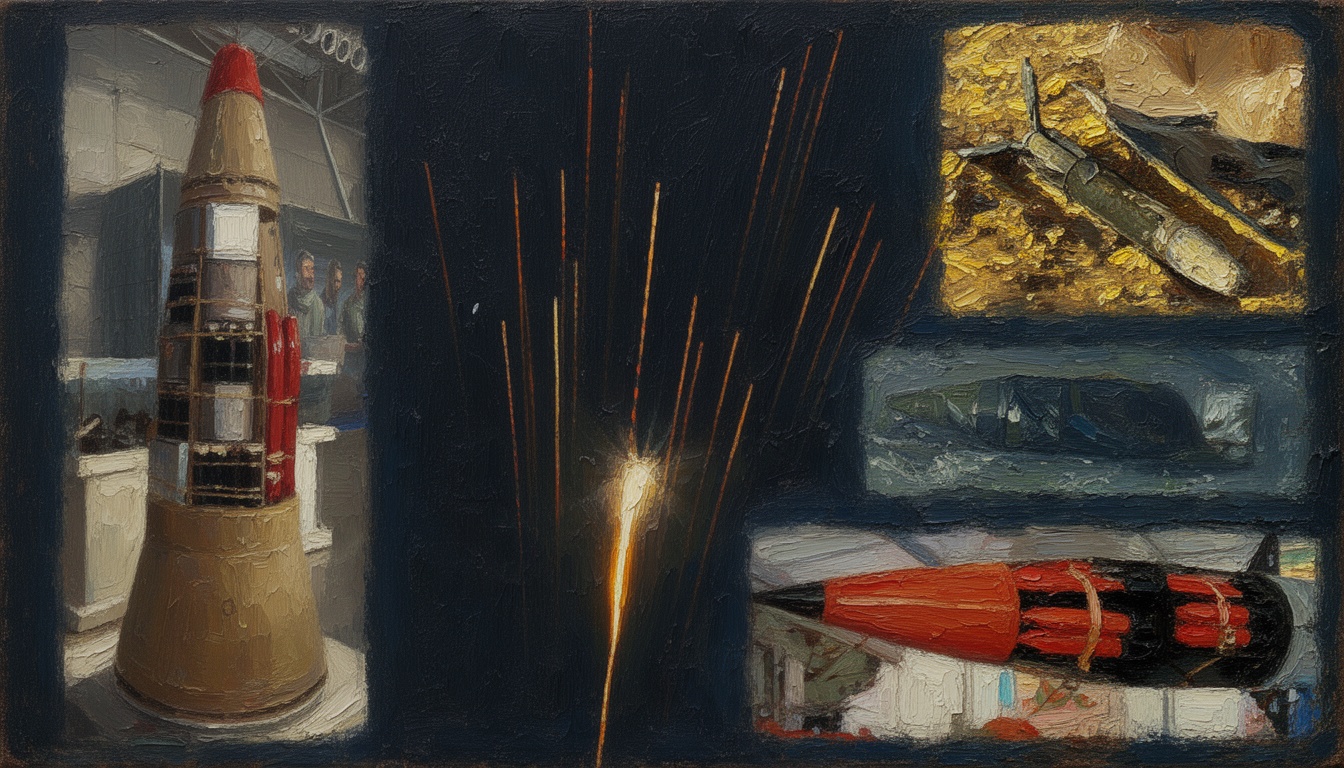
Iran has escalated its missile threat to Israel by deploying cluster warheads that release submunitions at high altitude, effectively breaching Israel's terminal ballistic missile defenses. This tactic circumvents Israel’s multi-layered defense architecture, including Iron Dome and David’s Sling, by saturating missile interceptors early and complicating tracking and targeting.
Historically, Israel has relied on advanced missile defense systems to intercept Iranian and proxy projectiles. The introduction of high-altitude submunition releases by Iran represents a significant innovation designed to overcome these systems’ layered interception logic. This approach forces Israel to adapt its countermeasures to a more complex threat environment.
Strategically, Iran’s new tactic degrades the effectiveness of Israel’s missile shield, threatening urban and strategic targets with increased vulnerability. It also serves as a blueprint for other state and non-state actors seeking to challenge Israel’s air defense dominance, potentially destabilizing regional security dynamics.
Technically, the cluster warheads release dozens of bomblets at altitudes exceeding 30 kilometers, dispersing submunitions widely, overwhelming sensor and interceptor capabilities. Iran has reportedly deployed these warheads on Shahab-3 and Fateh-110 missiles, capable of ranges between 300 to 1,000 kilometers, enhancing both reach and lethality.
The deployment of these advanced cluster munitions foreshadows a new era of missile warfare in the Middle East. Israel must accelerate development of counter-cluster technologies and may push for expanded missile defense cooperation with regional partners. Failure to adapt could allow Iran and allied forces to sustain a high-intensity missile campaign with devastating effects.