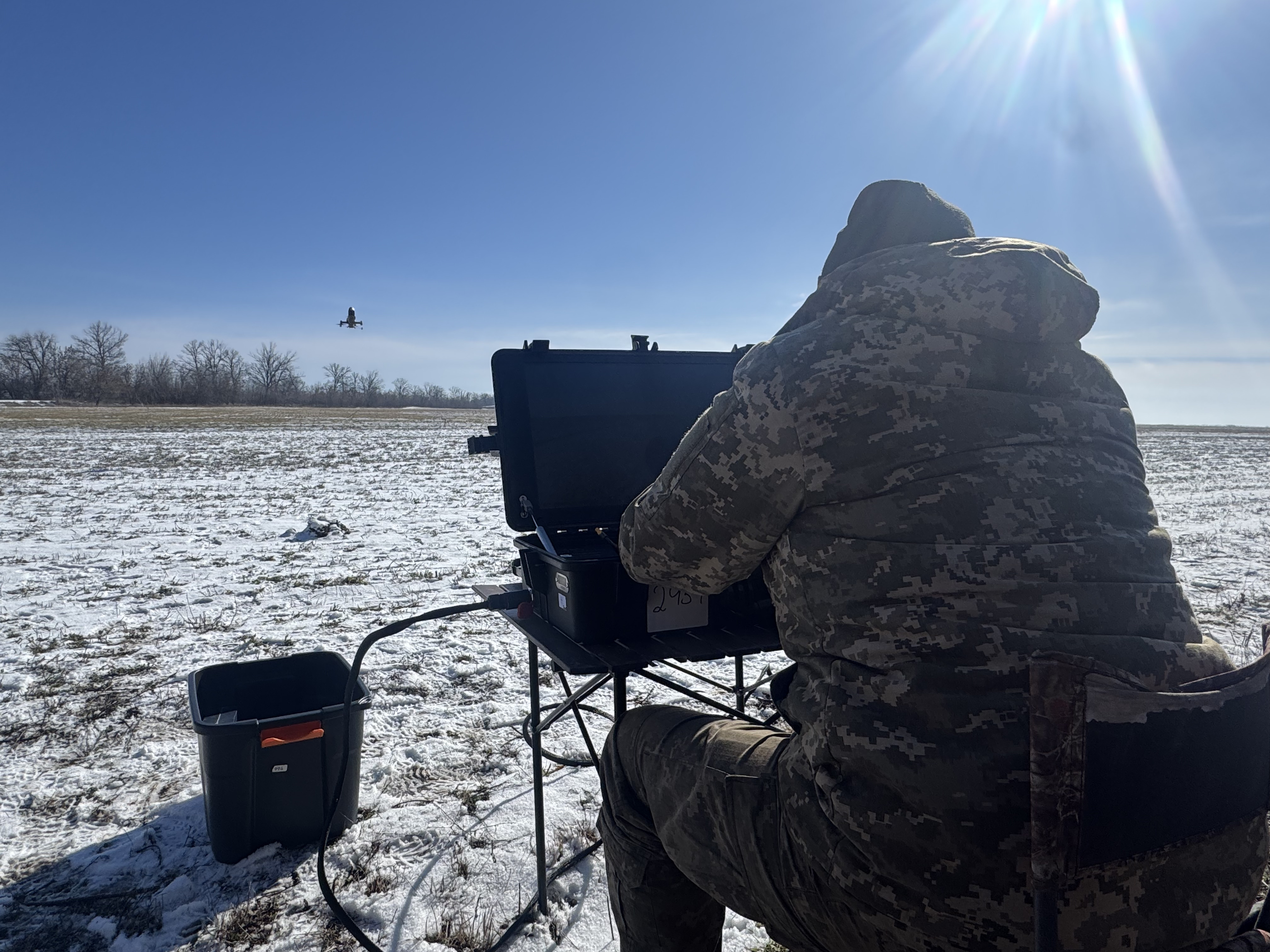
Interceptor Drones Transform Air Defense Economics in Ukraine
Recent developments in Ukraine's use of interceptor drones are reshaping the cost dynamics of air defense. While these drones currently rely on manual operation for interception, their deployment promises significant strategic advantages.
The introduction of novel interceptor drones by Ukraine marks a pivotal shift in its air defense strategy against hostile aerial threats. Unlike traditional interception methods, which often involve costly missile systems, these drones utilize simpler operational principles such as manual ramming or close-in detonation. This tactical evolution is not only designed to increase the volume of aerial threats Ukraine can engage but also aims to reduce the economic burden associated with aerial defense operations.
These interceptor drones are typically equipped with robust airframe designs to withstand collision during interception missions while being relatively inexpensive to produce compared to conventional missile interceptors. This capability enables the Ukrainian air defense forces to deploy these systems in larger quantities, thus amplifying their defensive perimeter against incoming threats, such as missiles or enemy reconnaissance aircraft. Currently, the drones operate without artificial intelligence, which can limit the operational complexities of autonomous interception; however, their simplicity is also what makes them cost-effective and manageable in a high-tempo combat environment.
Strategically, the deployment of these drones allows Ukraine to optimize its resources effectively, reallocating budgetary expenditures that would otherwise go toward more expensive air defense systems. This innovation allows for a broader strategic ceiling, letting Ukraine maintain comprehensive aerial vigilance and respond dynamically to emerging threats without the significant expenditure inherent in conventional missile defense systems. As the conflict continues, the economic implications of relying on these drones could tip the scales in Ukraine's favor in scenarios where air superiority is contested.
The economic model of utilizing cheap interceptor drones can provide other allied nations with a blueprint for developing their own cost-effective air defense capabilities. Nations seeking to enhance air defense without incurring unsustainable costs may find the operational framework established by Ukraine’s model to be a pragmatic approach. Furthermore, the low-cost production and operational demands of these systems could enable not just military applications but also potential adaptation for civil defense scenarios, particularly in environments where rapid response to aerial intrusions is required.
The development and deployment of interceptor drones signals a shift toward a more cost-effective, adaptable air defense strategy that prioritizes defense over offense. As operational capabilities and technology evolve, future iterations could incorporate advanced AI, enhancing their interception efficiency and operational autonomy. However, even in their current form, these drones may herald a significant change in how airspace is contested in modern warfare, particularly for nations like Ukraine, which face sustained threats from air and missile incursions.