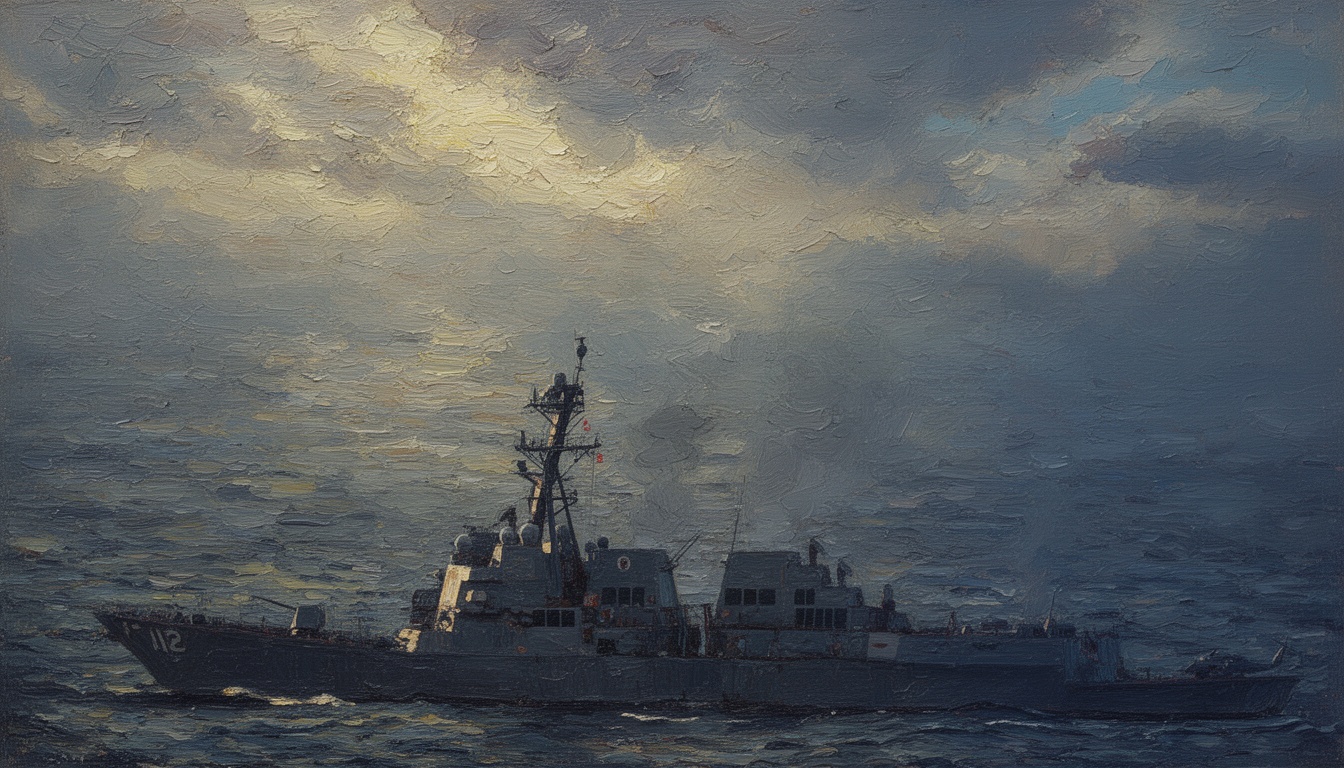
Interception of Iran Tankers Expands US Pressure into Asian Waters
US interceptions of Iranian-linked tankers in Asian waters indicate a broader maritime pressure campaign extending east. The move raises risk for ASEAN states managing key sea lanes, even if they are not direct parties to the Iran-US confrontation. Analysts warn spillover could complicate regional trade, security commitments, and alliance dynamics.
The core development is blunt: US naval forces are intercepting tankers with Iranian links in Asian maritime domains, signaling an expansion of pressure beyond the Persian Gulf. These operations come as Washington seeks to enforce sanctions and deter what it calls malign activity linked to Tehran. While the aim is to disrupt illicit revenue streams and disrupt proxies, the immediate effect is a widening of maritime risk in crowded, economically vital waters.
Background context shows Southeast Asian states historically maintain neutrality in open great-power wars, yet they face rising US-Iran tensions as shipping lanes, chokepoints, and port facilities risk disruptions. Malaysia, Indonesia, and Singapore rely on uninterrupted access to critical routes like the Malacca Strait and the South China Sea. Even as non-participants, these nations watch for escalations that could trigger maritime incidents or necessitate heightened naval readiness.
Strategic significance centers on the balance of power in Indo-Pacific maritime security. A broader US focus on Iran-linked shipping in Asia could complicate regional diplomacy, pressuring ASEAN states to align more closely with Washington or to hedge with broader security partnerships. The tension also tests China’s and Russia’s responses to Washington’s maritime enforcement methods and divergence in regional tactics.
Technical and operational details include documented interdictions of Iranian-linked tankers, with authorities citing sanctions enforcement and risk of illicit cargoes. The ships involved vary in tonnage and flag, complicating enforcement due to flag-state protections and jurisdictional boundaries. Budgets for enhanced maritime domain awareness and carrier strike group deployments have risen in several ASEAN states as they reassess readiness and convoy protection capabilities.
Likely consequences include tighter shipping insurance conditions, rerouted supply chains, and increased naval patrols by regional partners. In the near term, ASEAN states may pursue greater maritime information-sharing and joint exercises to deter miscalculation. Analysts expect a measured but persistent escalation that demands durable diplomacy, clearer rules of engagement, and a diversified security architecture.