Intense Israeli Strikes Hit Major Iranian Cities Amid US Warnings
Israel's airstrikes on Iranian cities escalate tensions as US forecasts unprecedented intensity. This marks a significant increase in military action within a volatile region, with potential wider implications for international security.
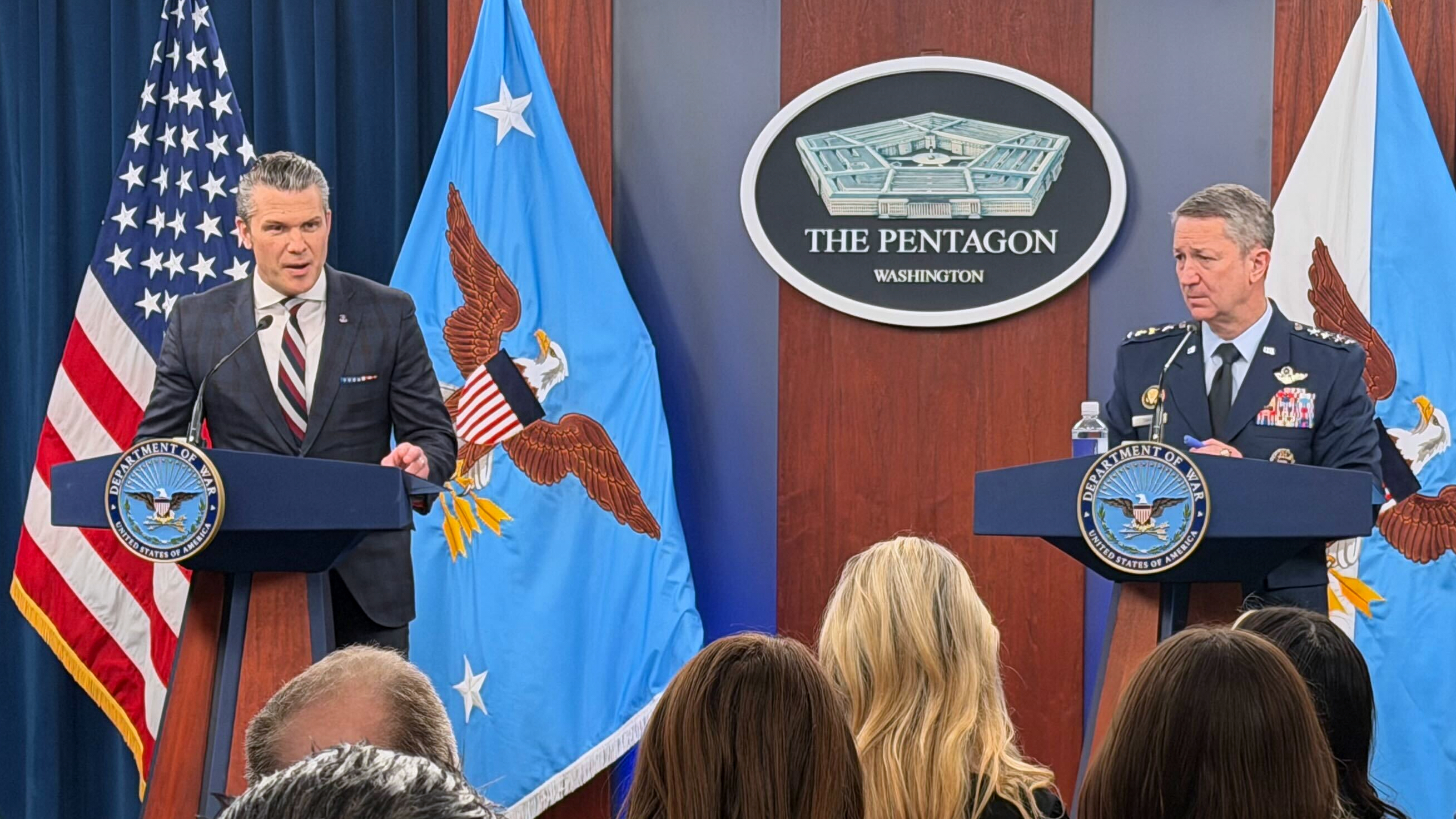
Israeli airstrikes have bombarded several major cities across Iran, marking a dangerous escalation in military hostilities. In a stark warning, US Secretary of Defense Pete Hegseth described March 10 as potentially the 'most intense day' of strikes in the ongoing campaign against Iranian assets, suggesting that military operations may reach unprecedented levels of aggression.
This escalation follows a series of increasingly aggressive postures from both Israel and Iran in recent months. Iran's military involvement in regional conflicts, particularly its backing of militant groups in Syria and Lebanon, has long drawn the ire of Israel. The tension significantly heightened after Israel intensified its strikes on Iranian positions within Syria, claiming they were necessary to mitigate perceived threats against its territory.
The implications of these strikes are profound, as they signal a dramatic shift in the military dynamics of the region. Increased Israeli military engagement not only raises the risk of a direct conflict with Iran but also potentially destabilizes neighboring states that may be forced to take sides. Additionally, the reaction of global powers, particularly those aligned with Iran, could lead to broader geopolitical ramifications, fueling an arms race and heightened military readiness across the region.
Key players in this scenario include Israel, which aims to curtail Iranian influence in Syria and prevent arms transfers to militant groups, and Iran, which views these strikes as direct assaults on its sovereignty and destabilizing factors for the Middle East. Israel is motivated by its national security concerns while Iran seeks to bolster its regional power and showcase its resilience against external aggression.
Operationally, Israel's air force has employed high-precision missiles and bombs typical of their advanced military capabilities. Reports suggest that the strikes involved the use of the F-35I Adir stealth fighters, capable of penetrating sophisticated air defense systems, reinforcing Israel's offensive capabilities against hardened Iranian targets deep inside its territory. The fiscal aspect cannot be ignored either, as Israel’s defense budget has seen a 10% increase to accommodate intensified military operations.
Expect significant immediate fallout from these attacks, including potential Iranian retaliation through missile strikes or proxy warfare against Israeli interests or allies, particularly in Syria and Lebanon. A miscalculation could trigger a larger conflict, mobilizing regional and global military forces into a protracted engagement.
Historically, such escalations often lead to wider conflicts. The 1967 Six-Day War and the 1982 Lebanon War serve as cautionary tales of how rapid military escalations can draw multiple state actors into larger confrontations. The ongoing airstrikes are reminiscent of earlier engagements that spiraled out of control, underscoring the dangers of regional power struggles.
Moving forward, watch for increased military preparations and rhetoric from both Iran and Israel. Intelligence gathering will be critical to monitor for signs of further retaliatory actions by Iran and whether such measures can elicit responses from other regional players like Russia or Hezbollah, altering the delicate balance of power in the Middle East significantly.