Innovative Mobile Cyber Warfare Training Solution Accepted in Spark Tank
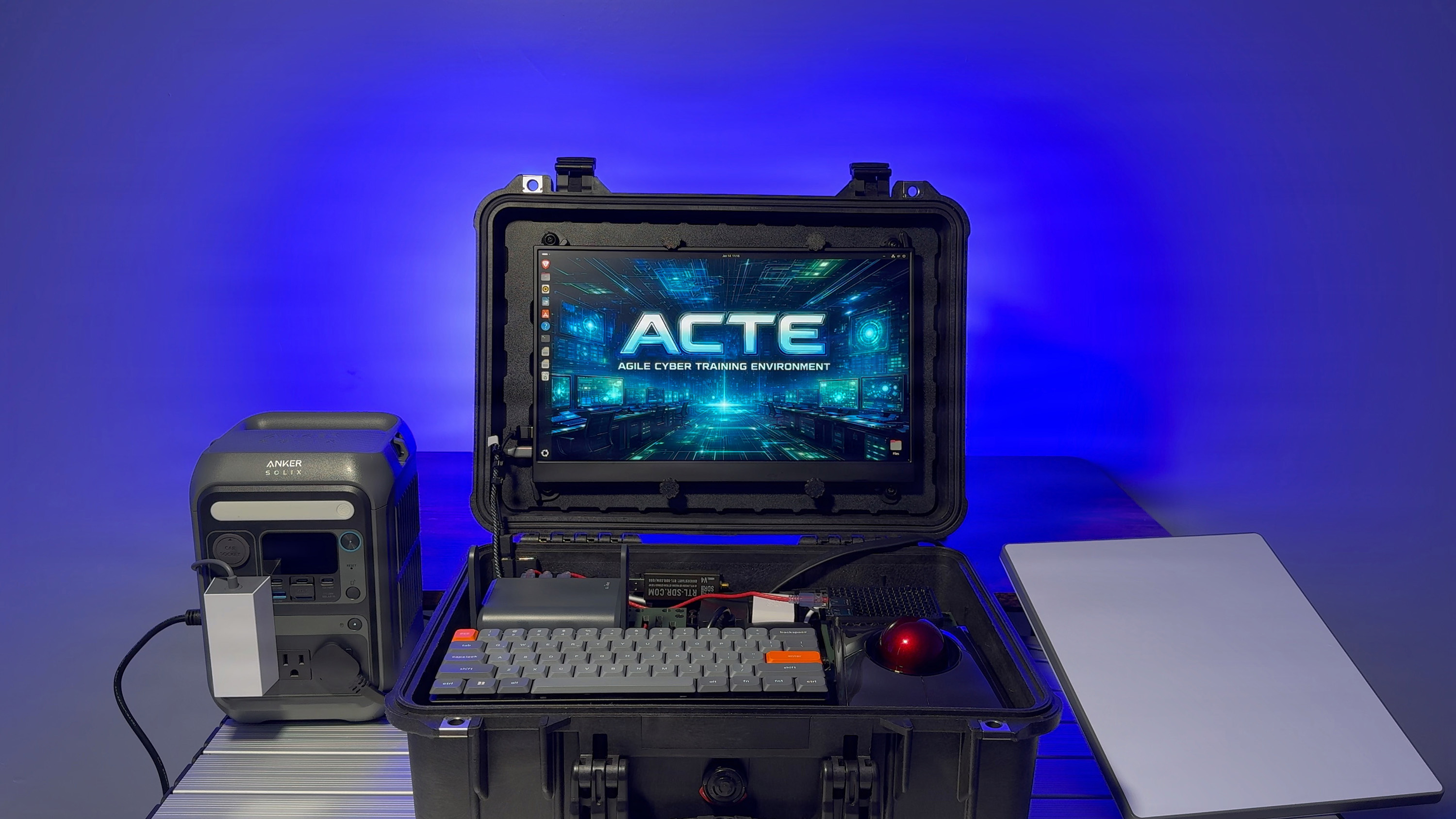
Senior Master Sgt. Taylor Gow has developed a mobile training solution for cyber warfare, recognized in the Air Force's Spark Tank competition. This innovation aims to enhance training accessibility and effectiveness for National Guard personnel.
The Air Force's annual Spark Tank competition has acknowledged a significant technological advancement in military training, introduced by Senior Master Sgt. Taylor Gow. His invention provides a mobile cyber warfare training platform that allows National Guard members to conduct simulations and exercises in various environments. This approach not only increases the flexibility of training but also addresses crucial operational readiness in a rapidly evolving cyber landscape.
The mobile training solution integrates portable hardware and software components designed to replicate real-world cyber threats in a controlled environment. It is characterized by its user-friendly interface, allowing personnel with varying levels of expertise to engage with cyber defense techniques and offensive strategies. This invention is expected to bolster the skills of service members, ensuring they can respond effectively to cyber incidents.
The strategic significance of Gow's invention cannot be overstated. As global cyber threats continue to escalate, the military's ability to prepare its personnel for these challenges becomes paramount. This mobile solution allows for training exercises to be conducted in diverse locations, enabling National Guard units to maintain peak readiness even while dispersed across various duties. Furthermore, it aligns with ongoing Department of Defense initiatives to enhance cyber capabilities among all branches of the military.
The development and implementation of this training system are indicative of a broader trend within military innovation, where user-generated ideas can lead to impactful advancements. The Air Force has been actively promoting a culture of innovation through competitions like Spark Tank, encouraging personnel to leverage their experiences to create practical solutions for operational challenges. Gow's initiative not only showcases the ingenuity of service members but also highlights the Air Force’s commitment to integrating cutting-edge technology into its training processes.
Potential applications of this mobile cyber training could extend beyond the National Guard, with opportunities for integration across active duty forces and allied partners. By providing a scalable and accessible training method, the solution could be adapted to meet the demands of joint operations and allied cybersecurity collaboration. As cyber warfare continues to be a critical facet of modern military engagements, innovations like Gow's will play a vital role in evolving how military personnel are trained and prepared for new threats.