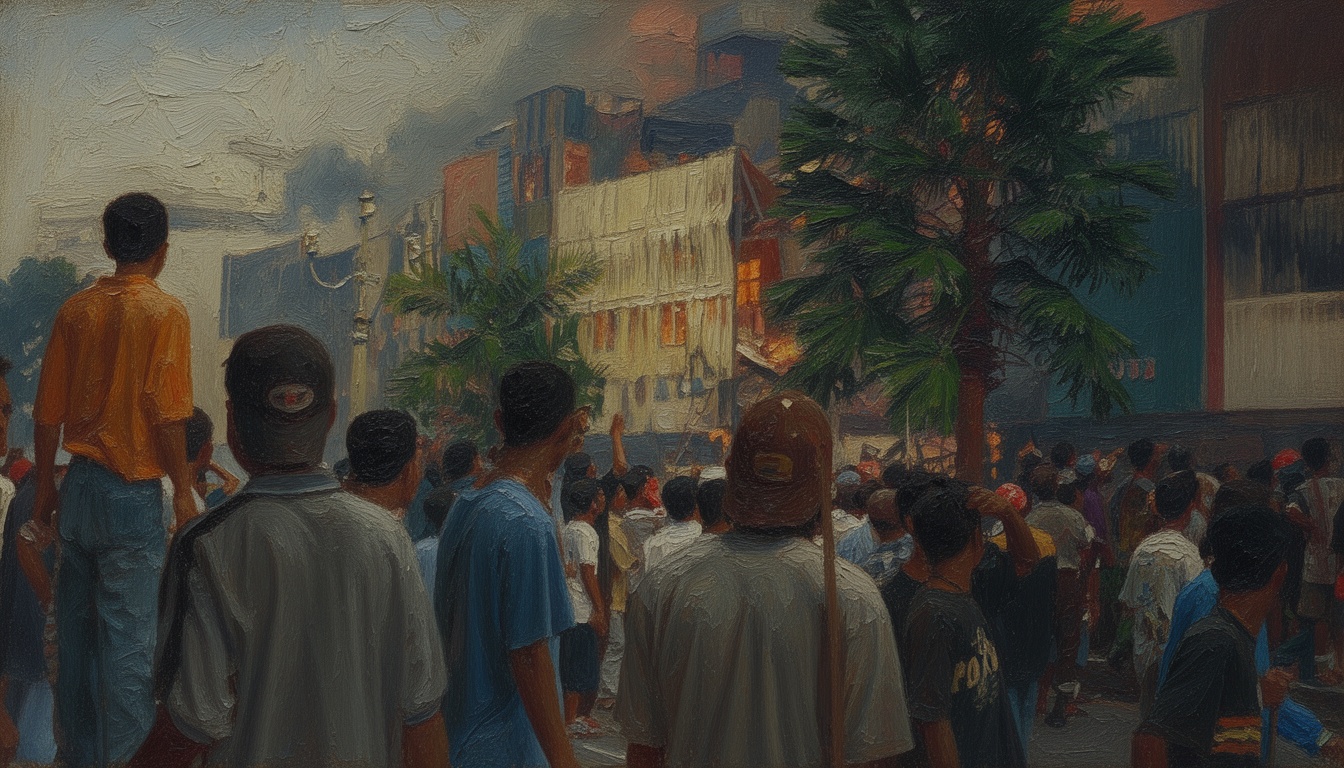
Indonesia's blasphemy law under scrutiny as high-profile case tests boundaries
Indonesia's blasphemy statute faces renewed questions about its use as a tool of political power versus protection of religious harmony. The case involves a veteran Muslim leader facing Christian complainants and raises concerns about legal thresholds and potential weaponisation. Analysts warn the dispute could influence religious policy and political dynamics in the world's largest Muslim-majority nation.
A veteran politician is at the center of a high-stakes test of Indonesia's blasphemy law. Police are examining remarks that linked historical Muslim-Christian tensions to beliefs about martyrdom, a framing that critics say weaponises religion for political ends. The case pits Christian complainants against one of the most senior Muslim figures in the country, a move that could redefine how the law is applied.
Background context shows Indonesia's blasphemy law has long been criticized for its broad, vague provisions and selective enforcement. Advocates insist the law protects religious harmony; critics argue it serves as a political tool to silence dissent or fringe voices. The current investigation underscores a wider debate about the law's compatibility with pluralism and constitutional protections.
Strategically, the case tests the balance between religious liberty and national unity in a diverse society. Authorities must navigate not only legal standards but also the potential for social unrest or regional political repercussions. As Indonesia positions itself on global norms regarding minority rights, this incident could influence both domestic policy and Indonesia's regional stance on religious freedom.
Technical details remain sparse publicly. The description notes remarks tying past interfaith conflicts to martyrdom beliefs, with Christian complainants directing the probe. No final charges or outcomes are disclosed, leaving questions about evidentiary thresholds and prosecutorial discretion. Observers expect a lengthy legal process that could set a precedent for future cases under the blasphemy statute.
Consequences and forward assessment point to a possible shift in how the law is enforced or interpreted. If the case proceeds to formal charges, it could intensify debates over religious protections and political manipulation. Alternatively, a lack of charges or a narrow ruling might reinforce concerns about the law's flexibility and strategic use in power struggles.