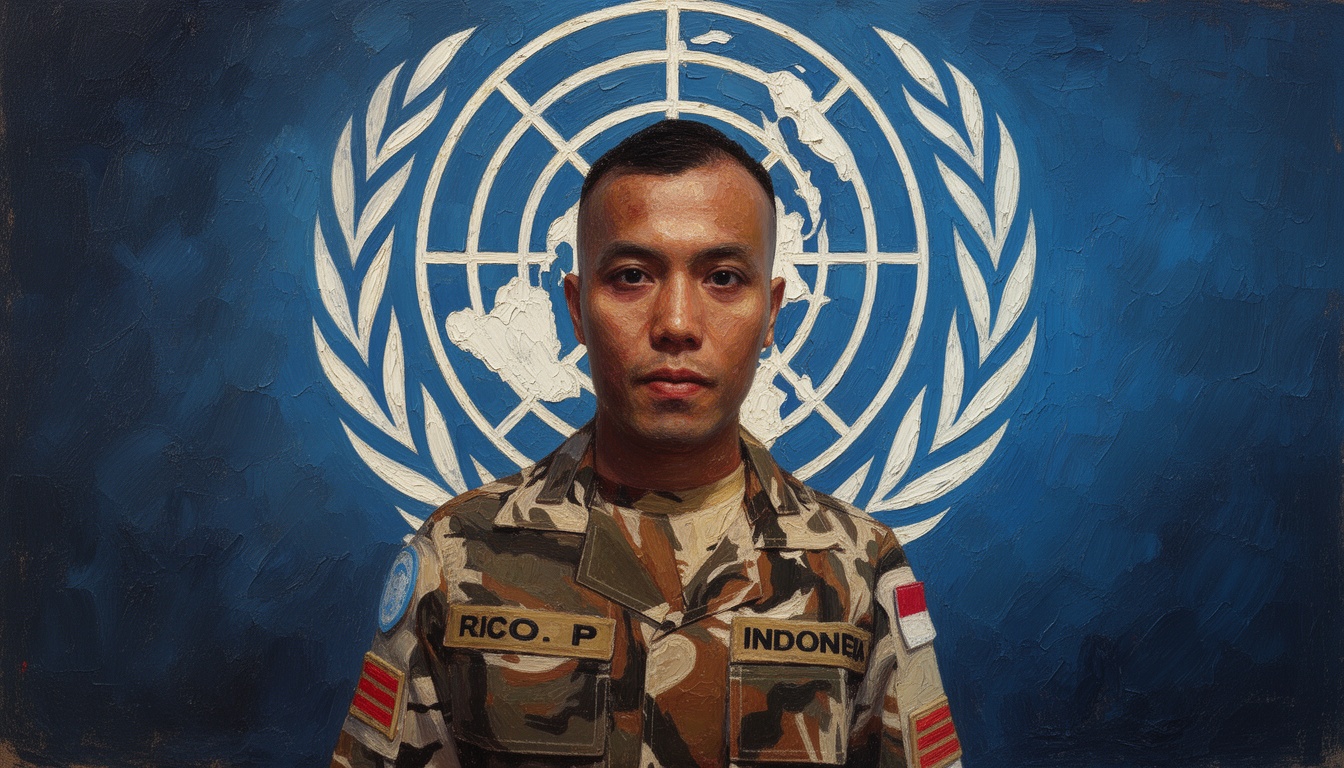
Indonesian UN peacekeeper killed; sixth in Lebanon clashes
A second UN casualty in a fresh flare-up in southern Lebanon underscores mounting risk to peacekeeping missions. The death marks the sixth Indonesian service member lost in the region this year as hostilities intensify. The incident signals a broader threat to international forces and regional stability.
The core development is blunt and grim: an Indonesian UN peacekeeper was killed in the latest round of hostilities in southern Lebanon, pushing the death toll for Indonesian personnel in the area to six. The incident arrives as cross-border tensions flare, raising the profile of UN long-duration missions in a volatile border belt. While details remain sketchy, the event confirms that external civilians and uniformed personnel are exposed to renewed fighting in a region that has long haunted regional security architecture. The immediate reaction from the UN and contributing states will focus on safeguarding remaining personnel and reassessing patrol patterns and rules of engagement in a high-threat environment.
Background context situates this event within a pattern of recurring confrontations along the Lebanon-Israel border, where sporadic exchanges of fire and limited clashes have interrupted a fragile quiet. International forces have faced repeated challenges in maintaining access, mobility, and mandate credibility in the face of rapid local escalations. The Lebanese theatre has historically been a testing ground for external peacekeeping strategies, with missions balancing deterrence, humanitarian obligations, and political diplomacy. The Indonesian contingent has played a visible role in these dynamics, tying national defense reputations to the success or failure of stabilization efforts.
Strategic significance centers on the warning sign this casualty sends to regional deterrence and global peacekeeping credibility. The loss compounds the perception that external stabilizers operate under persistent risk in high-tension zones adjacent to entrenched conflicts. For regional players, the incident amplifies concerns about escalation control, cross-border operations, and the resilience of ceasefire arrangements. It also tests the political will of troop-contributing nations to sustain long-term deployments when casualties mount and domestic pressures rise.
Technical or operational details, as reported, point to the austere and dangerous conditions peacekeepers face: limited tactical margins, mission-critical surveillance and patrol responsibilities, and the necessity for rapid medical and evacuation protocols under fire. Specific weapon systems or unit compositions are seldom disclosed in casualty reports, but the broader force posture includes armored mobility, quick reaction teams, and layered guard procedures designed to deter attacks from hardened or cooperative adversaries. Budgets for force protection, helicopter lift, and intelligence, surveillance, and reconnaissance (ISR) support are typically stretched in response to renewed fighting; the current event will likely catalyze belt-tightening and prioritization decisions among contributing states. The incident underscores the ongoing tension between maintaining freedom of movement for peacekeepers and the imperative to limit exposure to kinetic threats.
Possible consequences and forward assessment anticipate a sharp focus on risk mitigation, force protection enhancements, and diplomatic initiatives to stabilize the border quickly. Expect intensified consultations among UN policymakers, regional stakeholders, and troop-contributing countries to recalibrate rules of engagement, incident response procedures, and contingency plans for mass casualty scenarios. In the near term, command structures will review compass-bearing objectives—protect personnel, protect civilians, and preserve mission legitimacy—while balancing the need for visible deterrence against opportunistic or planned attacks. Longer-term implications include potential adjustments to mandate language, augmentation of protective capabilities, and refined coordination with local authorities to reduce vulnerability and improve rapid response to future incidents.