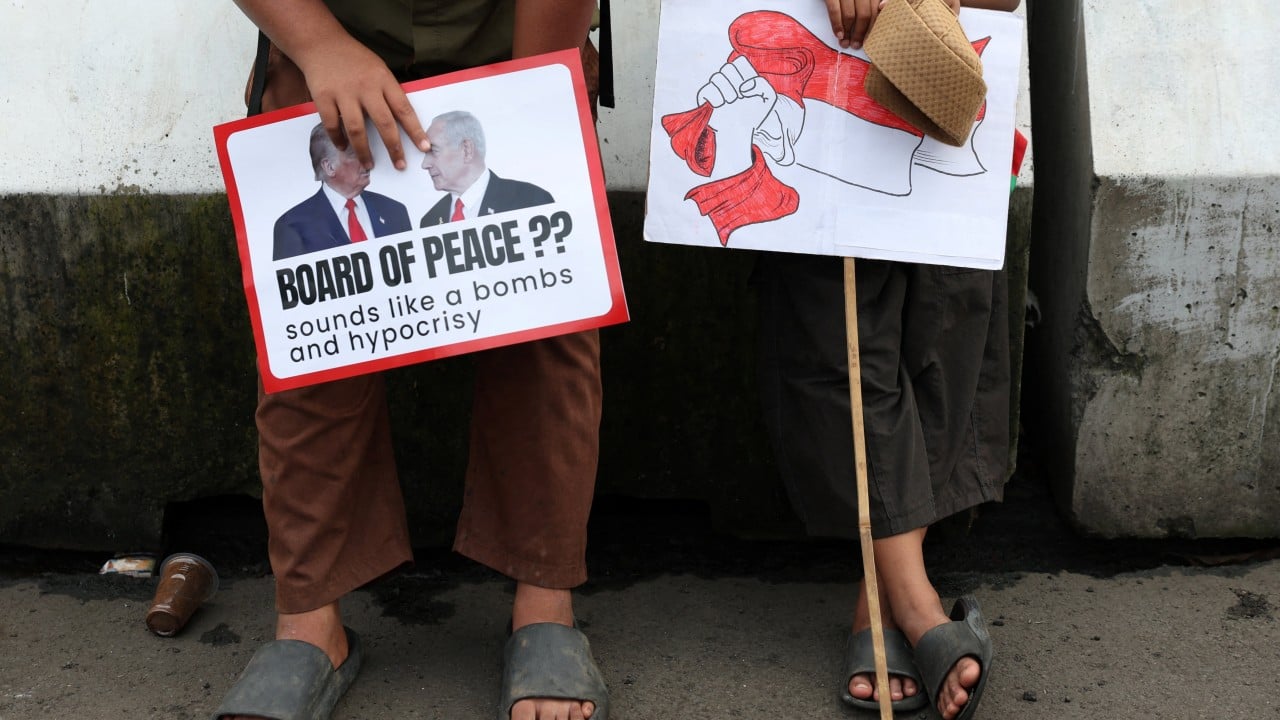
Indonesia Faces Domestic Backlash Over US-Backed ‘Board of Peace’ Amid Iran Crisis
Indonesia's military and diplomatic calculus is critically challenged as the Iran crisis intensifies, where domestic opposition grows against President Prabowo Subianto's partnership with the US-led initiative. This situation signals potential re-alignments in Jakarta’s foreign policy and its military commitments.
Indonesia's participation in the United States-led 'Board of Peace' is under fire, coinciding with an escalating crisis in the Middle East. President Prabowo Subianto's government is facing mounting criticism domestically regarding the strategic implications of increasing military cooperation with Washington, especially in the context of the ongoing fallout from the Iran crisis. Voices within Indonesia are urging a reevaluation of not just its board involvement, but also military deployment plans to Gaza and an emerging trade agreement with the U.S.
The roots of this backlash can be traced back to the seismic geopolitical shifts following the 2015 Joint Comprehensive Plan of Action (JCPOA) withdrawal by the U.S. and subsequent Iranian aggression in the region. Indonesia, historically a proponent of non-alignment, finds itself at a crossroads, balancing long-held principles with the pressures of aligning with Western powers amid a controversial military escalation in the Middle East. The heightened tensions between Iran and U.S.-backed nations adversely impact local sentiment towards Jakarta’s current direction.
The implications of this crisis are far-reaching as they hint at possible shifts in strategic alliances and highlight vulnerabilities within Indonesia's defense policy. A significant portion of the Indonesian populace perceives U.S. influence as a threat to the nation’s sovereignty and internal cohesion. The situation introduces risks of destabilizing Jakarta's foreign relations not only with Iran but potentially with other regional players who oppose U.S. interventionist policies.
President Prabowo's motivations seem rooted in a desire to bolster Indonesia's international standing, potentially viewing the partnership with the U.S. as a key component of a broader strategy to modernize its military capabilities. However, critics argue this is tactically misplaced, particularly given historical sensitivities surrounding foreign military entanglements. Domestic dissent, spearheaded by opposition leaders, underscores the considerable local distrust of U.S.-led initiatives due to concerns over imperialist intentions.
Operationally, discussions have emerged surrounding Indonesia's military readiness and troop deployments, particularly the suggestions of sending Indonesian forces to Gaza to bolster U.S. interests. The Indonesian military, with over 400,000 active personnel and an annual defense budget nearing $9 billion, raises critical questions about readiness to engage in distant conflicts. Such initiatives would stretch military resources and potentially expose Indonesian soldiers to high-risk environments emphasized by inconsistent American policy.
As the crisis continues, likely consequences point to intensified scrutiny of Indonesia's military alliances and commitments. Should domestic unrest rise or perceived threats to Indonesia’s sovereignty amplify, the government may be compelled to recalibrate its foreign policy and reassess military engagements with the U.S. Pressure from opposition parties may gain momentum, demanding a significant withdrawal from policies perceived to cater primarily to Western interests.
Historical parallels can be drawn to Indonesia's Cold War era policies, where alliances often swung with the prevailing global narrative, significantly impacting national stability. The vocal opposition recalls the disastrous outcomes for countries perceived as mere pawns in superpower clashes. These precedents warrant a careful analysis of current policy choices to avoid unforeseen destabilization.
Looking ahead, the Indonesian government must navigate the growing internal discontent and balance foreign relations carefully. Key indicators to watch will include public opinion trends, shifts in military readiness, and reactions from regional players, particularly China and Russia, who may seek to exploit Indonesia’s dilemma. As Indonesia’s strategic choices unfold, the potential redefinition of its military doctrine and foreign policy could emerge as a critical flashpoint in the region.