Indonesia Attempts Peace Mediation Amid Escalating US-Iran Conflict
Indonesia's efforts to mediate between the US and Iran expose its limited influence amid significant tensions. With ongoing military actions, its role raises questions about effectiveness and neutrality.
Indonesian President Prabowo Subianto has surged into the international fray, offering to mediate between Iran and the United States during a period of escalating hostilities. This comes just hours after Israeli and US strikes targeted Iranian positions. Critics argue this initiative, however well-intentioned, is undermined by Indonesia's previous alignment with U.S. policies, compromising its perceived neutrality.
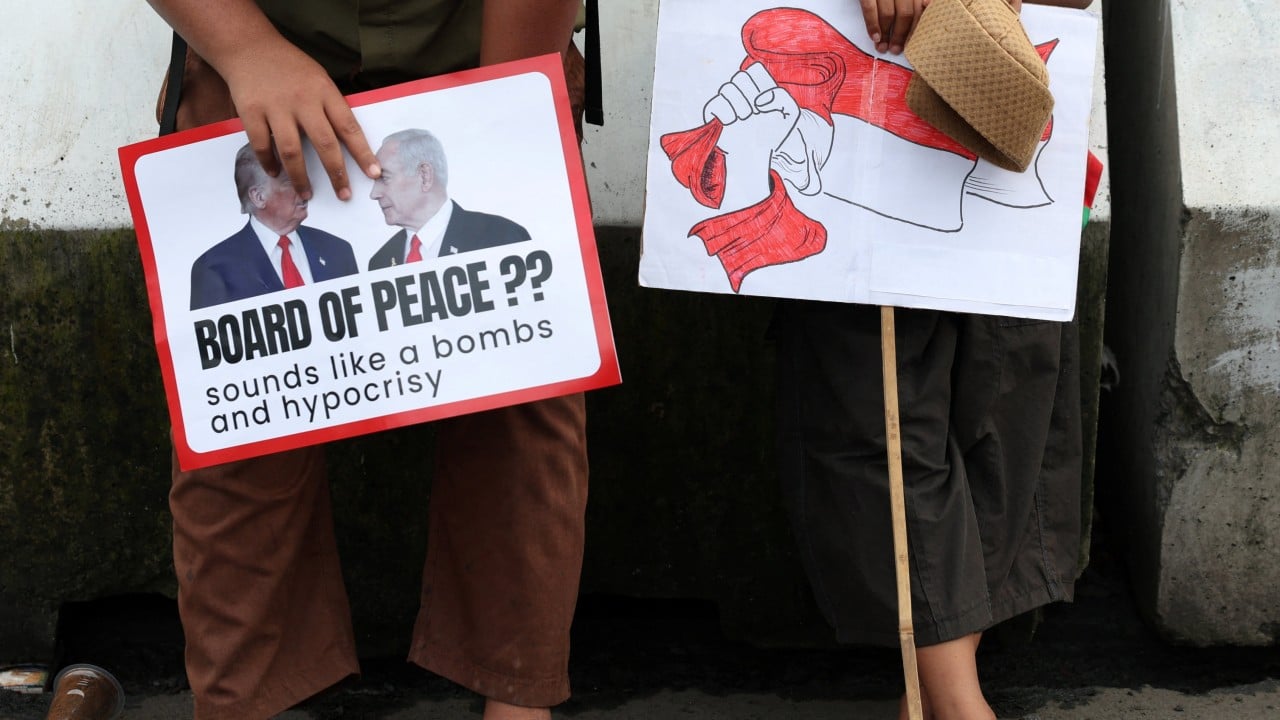
Indonesia, a nation that has historically championed non-alignment, has strayed from that path since it joined former President Trump’s so-called 'Board of Peace'. This alliance, perceived by many nations as a pro-Western bloc, signals a departure from its past diplomatic stance, potentially alienating Iran and diminishing its position as an impartial intermediary. The current fallout from its prior allegiances raises significant questions about Jakarta’s role in the ongoing conflict.
The implications of Indonesia's bid to mediate are considerable. As tensions mount in the Middle East, Indonesia’s attempt to assume a peacemaking role risks further complicating its relationships with both Iran and the US. Jakarta's limited military capabilities—its defense budget stands at about $9 billion—particularly against the backdrop of heavy U.S. support for Israel, highlights a vulnerability in its diplomatic ambitions.
Key players in this delicate situation include the Iranian leadership, who may see Indonesia's overtures as lacking substance, and the U.S., which is currently engaged in aggressive military actions against Iranian interests. Prabowo's willingness to travel to Tehran reflects desperation to assert Indonesia's relevance on the global stage, but may merely expose its limitations. Iran's history of viewing offers from perceived U.S. allies skeptically complicates Jakarta's position.
Operationally, the recent escalation saw the U.S. deploying advanced fighter jets, including the F-35, and drones to support Israeli airstrikes, which reportedly killed over 50 Iranian operatives. This military engagement reinforces the enduring conflict dynamics, as Indonesia seeks to position itself as a mediator in an increasingly polarized atmosphere.
The likelihood of success for Indonesia’s mediation is slim, as both the US and Iran brace for prolonged confrontation. Jakarta's diplomatic overtures could provoke increased scrutiny from Tehran, threatening to open rifts that could undermine regional stability, especially as US-Iran tensions continue to heat up.
Historically, attempts by smaller nations to mediate between larger powers often falter under the weight of established geopolitical tensions. For instance, Sweden's efforts during the Cold War to mediate US-Soviet dialogue faced similar dismissals when superpower interests conflicted. Indonesia’s position may parallel this as it struggles to find leverage amid significant pressures.
Looking ahead, observers should monitor how Indonesia manages its relationship with both the US and Iran moving forward. Key indicators to watch include Jakarta's response to military actions in the region and its ability to sustain diplomatic dialogue without further compromising its own standing on the international stage. The ongoing conflict offers little room for error, foreboding potential crises if Indonesia's mediation proves ineffectual.