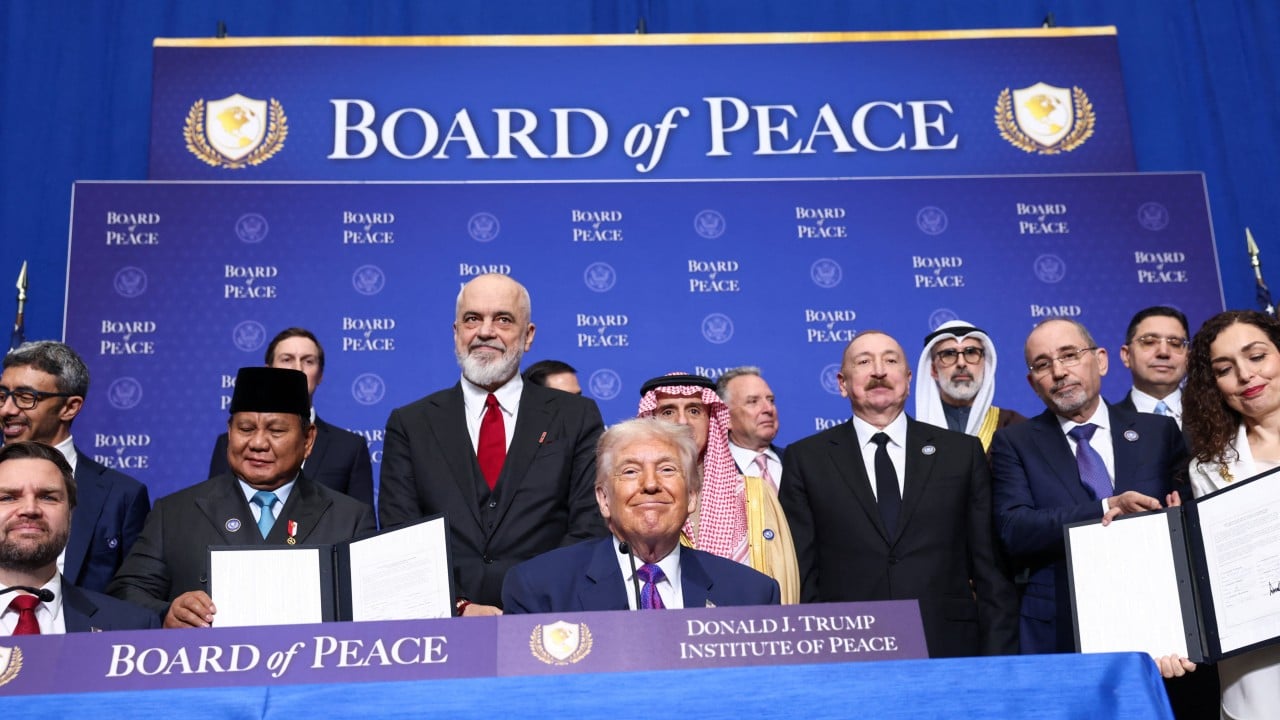
Indonesia Accepts Deputy Commander Role in US-Led Gaza Stabilisation Force, Faces Political Risks
Indonesia's acceptance of a deputy commander position in the International Stabilisation Force for Gaza marks a significant commitment to regional peacekeeping. This involvement carries inherent political risks as the mission includes contentious objectives like disarmament of armed groups.
Indonesia has officially accepted a deputy commander role in the US-led International Stabilisation Force (ISF) aimed at stabilizing the Gaza Strip. This decision positions Indonesia to deploy thousands of troops to the conflict-ridden region, emphasizing its commitment to protecting civilians and supporting humanitarian efforts amidst ongoing violence. The ISF is expected to launch operations imminently, underscoring Indonesia's prominent role in this international peacekeeping mission.
The geopolitical significance of this development is substantial, as it places Indonesia, the world’s largest Muslim-majority nation, in a sensitive area where interests of major powers coincide. By accepting this role, Indonesia aligns itself with US-led initiatives in a landscape marked by complex political dynamics, raising questions about its traditional stance on foreign intervention in Islamic territories. This alignment could lead to navigational challenges in Indonesia's relationships with other Muslim-majority nations who may oppose US strategies in the region.
Key players in this scenario include Indonesia, the United States, and various Palestinian factions. Indonesia's motivations appear to stem from a desire to enhance its international standing and assert its influence in global peacekeeping efforts. Conversely, the US aims to stabilize Gaza while addressing domestic and international criticisms of its policies towards Israel and Palestine. Tensions may arise from varying expectations between these stakeholders regarding the objectives and implementation of the mission.
This involvement in the ISF could have both regional and global repercussions. Success may elevate Indonesia’s diplomatic standing and strengthen ties with Western powers, but failure or backlash could spark domestic unrest or exacerbate regional tensions. Additionally, this move might invite reactions from militant groups within Palestine, complicating the security environment in Gaza further.
Historically, Indonesia has taken cautious stances on military interventions abroad, reflecting its principle of non-intervention. However, the current geopolitical scenario—characterized by the volatility in Gaza—compels Jakarta to recalibrate its foreign policy. As this deployment unfolds, it is crucial to assess how Indonesia balances its national interests while navigating the scope and objectives of the mission.
Analysts predict that while Indonesia's role in the ISF could yield significant benefits in terms of international prestige, it also risks embroiling the country in a multifaceted conflict that challenges its diplomatic principles. The coming months will be critical in determining whether Indonesia manages to execute its humanitarian agenda without compromising its political stability or regional relations.