India's Entry Into European Fighter Program Faces Major Hurdles
India urgently seeks new combat aircraft, but European fighter projects pose complex operational and strategic challenges, impeding rapid deployment and capability upgrades.
India’s ambition to join one of Europe’s next-generation fighter aircraft programs faces significant obstacles, complicating its urgent need to modernize its air combat capabilities. The complexity arises from differing technological standards, strategic partnerships, and production timelines that do not align with India’s immediate defense requirements.
Europe is developing several advanced fighter designs aimed at future air dominance, yet their lengthy development cycles and export restrictions limit their suitability for India’s pressing demand. India’s Air Force continues to operate aging fleets, creating an operational gap that European programs have yet to address.
Strategically, India’s participation in a European fighter program entails navigating complex geopolitical relationships, particularly with Russia and the United States, alongside managing domestic industrial interests. This introduces significant delays and uncertainties in procurement that jeopardize India’s defense modernization timeline.
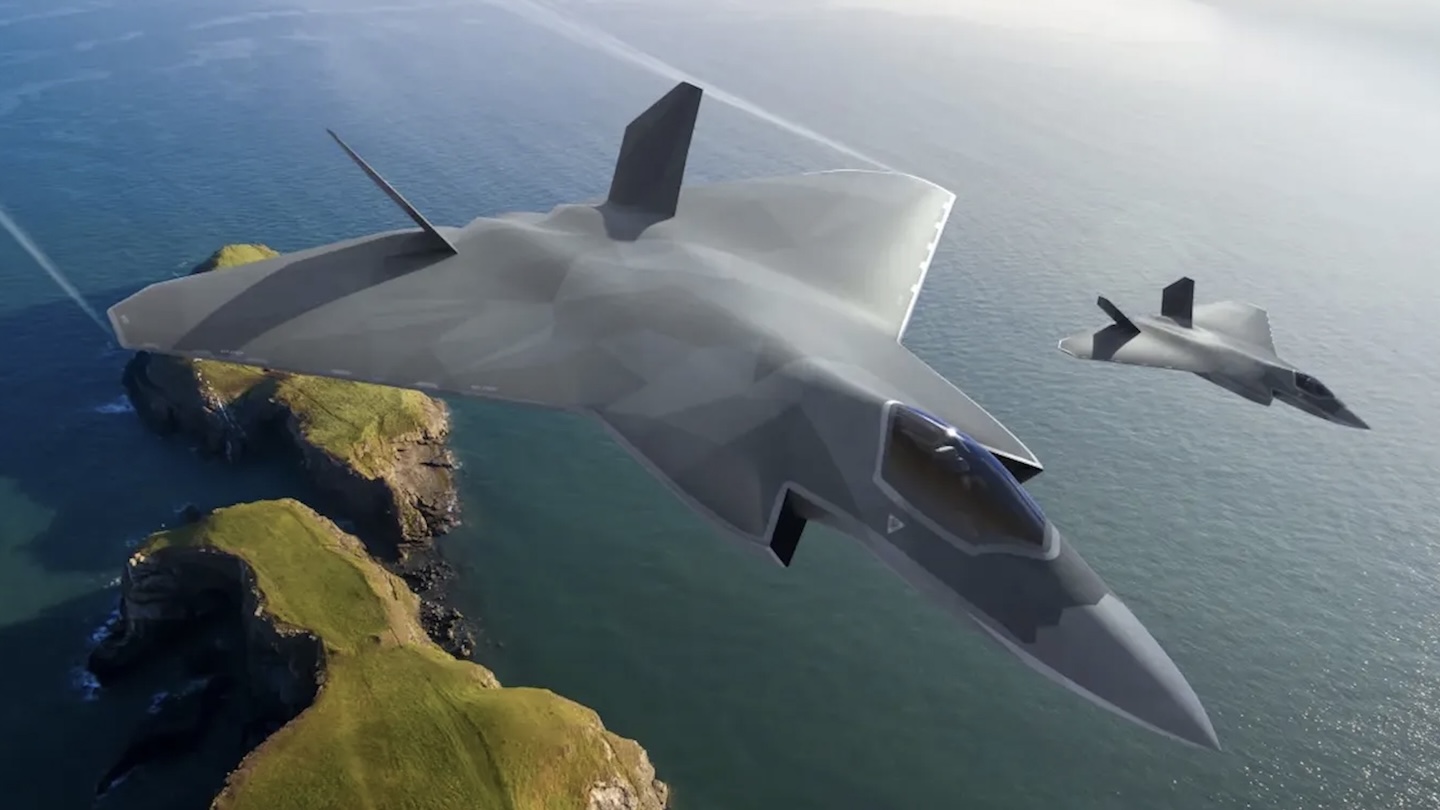
Technically, Europe’s next-generation fighters—like the FCAS by France and Germany or the Tempest led by the UK—feature cutting-edge stealth, sensor fusion, and AI-enabled systems. However, the integration challenges and export control regimes complicate technology transfer and co-production, which are essential for India’s defense industrial autonomy.
Consequently, India faces a critical decision: continue pursuing a costly and uncertain European collaboration or accelerate indigenous projects and alternative acquisitions to meet immediate air defense imperatives. This crossroads will significantly influence regional air power balances and Indo-European defense ties in coming years.