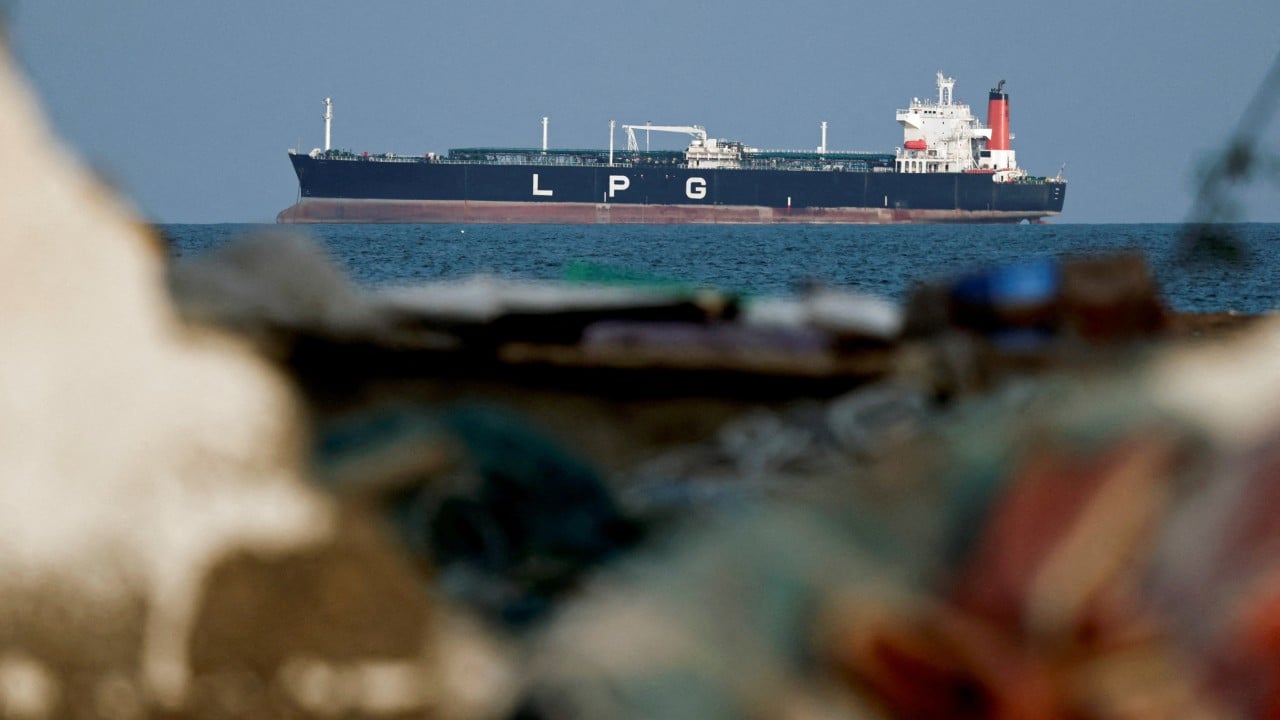
Indian Sailors Stranded as Iran-Israel Conflict Escalates: Crisis Looms
Over 23,000 Indian sailors are trapped in the Gulf amidst escalating military tensions between Iran, Israel, and the US, raising serious safety and operational concerns. The ongoing conflict threatens maritime security, putting lives and international shipping routes at significant risk.
Twenty-three thousand Indian sailors are caught in a precarious situation in the Gulf region as escalating tensions between Iran, the United States, and Israel create a dangerous environment for maritime operations. Currently, 26-year-old Ambuj, stranded in the Iranian port of Bandar Abbas for two weeks, reflects the anxiety of many facing immediate threats from drones and missile attacks that have set nearby vessels ablaze. As military activity intensifies, the safety of seafarers is compromised and the situation continues to deteriorate.
This crisis isn't occurring in a vacuum; it is the culmination of years of geopolitical rivalry in the Gulf. The rising hostility originated from Iran's nuclear ambitions and support for groups like Hezbollah, leading to increased military posturing by the United States and Israel. Recent strikes by Iran on shipping assets linked to Israeli interests have pushed the region to a tipping point, further complicating the operational landscape for merchant vessels. The high stakes of these confrontations expose vulnerabilities in international naval security and raise alarms about escalating military engagements.
The implications of this maritime crisis are far-reaching. With tanker routes essential for global oil supply, any disruption can have significant ripple effects on energy prices and trade. Not only does this shorten the already tenuous safety corridor for shipping, but it also heightens the chances of collateral damage to civilian vessels and personnel caught in the crossfire. Furthermore, these risks illustrate the growing importance of maritime security, showcasing how regional conflicts can destabilize global trading networks.
Key players in this unfolding drama include Iran, the United States, Israel, and the sailors trapped in the middle. Iran's motivations are clear: it seeks to assert its influence in the Gulf while countering US and Israeli presence. On the other hand, the US and Israel aim to disrupt Iranian military capabilities and prevent its proxies from gaining strength. However, for individuals like Ambuj and the thousands of sailors, these geopolitical tensions translate into a brutal reality of prolonged separation from families and escalating anxieties about personal safety.
From an operational perspective, the crisis highlights the fragility of maritime logistics in the wider Gulf. The shipping industry relies heavily on safe passage through strategic waterways, with 90% of global trade conducted via sea routes. The deployment of US Navy assets to protect merchant shipping has not entirely succeeded in ensuring safety, evidenced by ongoing incidents. As tensions rise, it remains uncertain how effective current military strategies will be in safeguarding merchant operations against hostile actions from Iran.
Consequences of the escalating confrontation could include increased military engagements, broader regional conflicts, and more extensive sanctions against Iran and its proxies. Should hostilities continue, maritime insurance rates will rise, leading to increased costs for global trade. The likelihood of additional nations being drawn into the conflict also presents a dangerous possibility, as countries with shipping interests actively defend their assets and citizens.
Historically, this situation parallels other crises in maritime history where political tensions have led to significant disruptions in trading routes. The Gulf of Tonkin incident in 1964 saw similar responses, ultimately leading to widespread military engagement. Without an immediate resolution, we may witness the emergence of further incidents resembling those historical precedents, exacerbating the conflict and leading to casualties among civilians and seafarers alike.
Looking forward, key indicators include the readiness of naval forces in the Gulf, signals from Iranian military leadership regarding their operations, and responses from the international community meant to mediate this maritime crisis. Continuous monitoring of military movements and shipping activity will be essential in assessing the risk to seafarers like Ambuj, as well as to gauge any potential for conflict de-escalation in a strategically critical maritime zone.