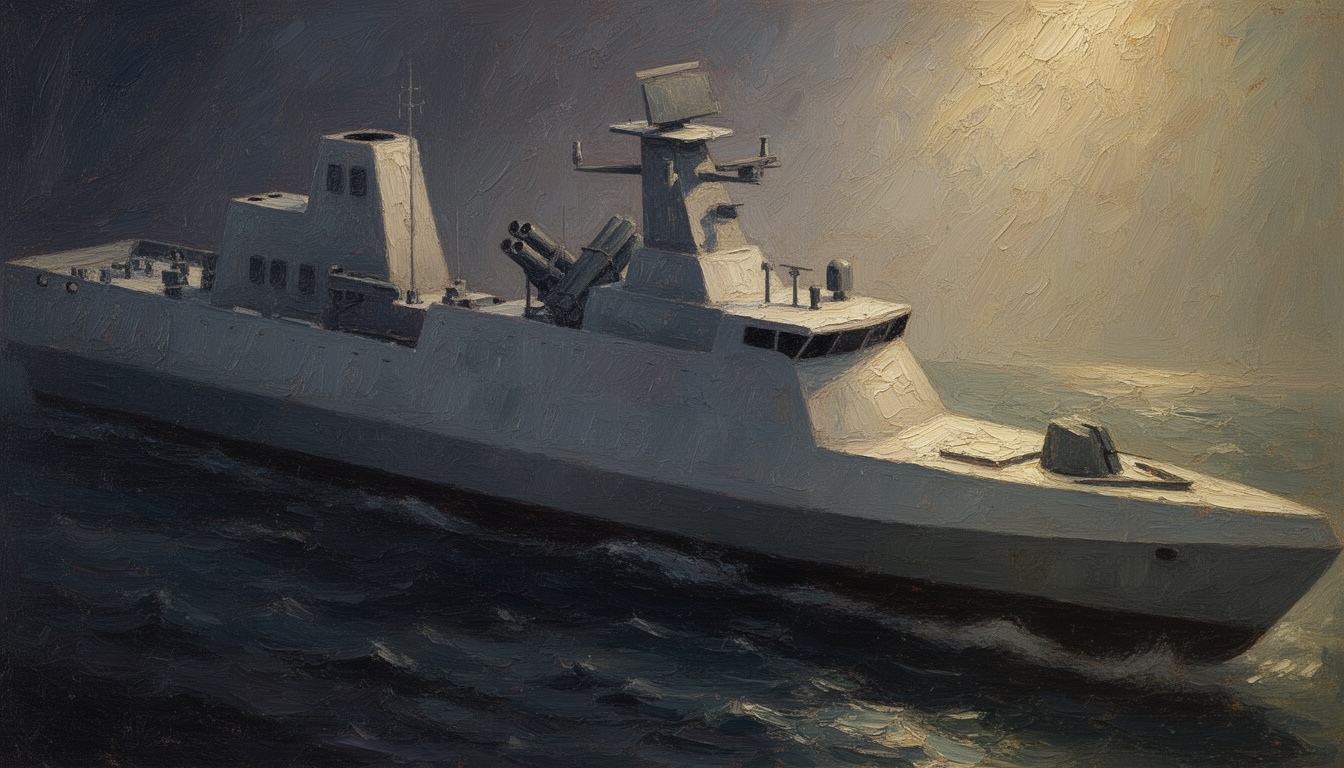
Indian Navy Selects Kongsberg Waterjets for NGMV Propulsion
India orders 18 large Kamewa waterjets from Kongsberg Maritime for the Next Generation Missile Vessel programme. The procurement signals emphasis on high-speed propulsion and maneuverability for future surface combatants. The decision solidifies a strategic naval modernization thread in a contested Indo-Pacific environment.
The Indian Navy has contracted the supply of 18 large Kamewa waterjets from Kongsberg Maritime to support the Next Generation Missile Vessel (NGMV) programme. The selection marks a major step in equipping the future NGMV hulls with high-performance propulsion capable of sustaining elevated speed envelopes and enhanced maneuverability. The precise delivery timeline and integration plan remain undisclosed, but the contract underscores India's push to modernize its blue-water navy capabilities.
NGMV represents a cornerstone in India's naval modernization drive, aiming to field missile-capable surface combatants with advanced sensors, combat systems, and survivability features. The Kongsberg waterjets are expected to deliver reduced cavitation, improved efficiency, and superior stoppage performance at high speeds—traits critical for hunter-kisher missions and dynamic positioning. This choice aligns with a broader trend of adopting advanced Croatian, Norwegian, or Nordic propulsion and stabilization tech in regional fleets seeking enhanced reach and deterrence.
Strategically, the waterjet selection supports India’s desire to project sea-denial and blue-water operations deeper into the Indian Ocean and beyond. The propulsion upgrade complements ongoing developments in air-defense and strike capabilities, amplifying the NGMV’s potential as a high-end multi-mission platform. Analysts will watch for interoperability with Indian shipbuilding, command-and-control upgrades, and the integration timeline with future combat management systems.
Technically, Kamewa waterjets are known for high thrust in a compact footprint, modular maintenance, and proven performance in naval applications. The contract signals not only a propulsion choice but a robust supply chain partnership with Kongsberg Maritime, a key enabler for India’s domestic defense industrial ambitions. Budgetary details, unit costs, and long-term service terms remain undisclosed, but the procurement is a clear delta in the NGMV’s propulsion architecture.
The move is likely to affect regional dynamics by sharpening India’s naval tempo and deterrence posture. If the NGMV programme progresses on current timelines, expect accelerated development of related shipbuilding, sea trials, and potential collaboration with allied navies on maintenance and lifecycle support. The propulsion decision thus foresees a tighter integration of advanced waterjet technology into India’s future surface fleet and broader regional balance of power.