Indian Fuel Tankers Divert to Asia Amidst Crisis in Europe
Two Reliance tankers abandon European routes for Singapore as conflicts disrupt supply lines, risking broader energy instability.
Two tankers loaded with approximately 100,000 metric tons (745,000 barrels) of diesel from Reliance Industries have dramatically shifted course from Europe to Asia. The vessels, Advantage Life and another unidentified tanker, turned back amidst escalating tensions and supply constraints due to the ongoing conflict involving Iran. This strategic pivot underscores a significant shift in fuel supply dynamics, particularly as Asian markets tighten amid geopolitical strife.
The decision by these tankers to forgo European deliveries is consequential, following months of strained supply routes exacerbated by hostilities in the Middle East, particularly around oil-rich territories. The backdrop features extensive sanctions on Iranian oil, which, combined with Russia's ongoing military aggression in Ukraine, has led to inflationary pressures on global energy prices. Europe's dependency on external oil supplies has made it vulnerable as it navigates a complex energy landscape affected by both direct conflicts and sanctions.
This shift of reliance from Europe to Asia is indicative of broader energy market trends. Asia, with its recovering economies and resilient demand for oil, has become the new battleground for energy suppliers. The move may exacerbate the current energy crisis in Europe, already facing exorbitant energy costs and potential winter shortages as nations seek alternatives to Russian oil. This diversion poses a direct threat to Europe’s energy security and could catalyze further economic instability across the continent.
Key players in this scenario include Reliance Industries, led by Mukesh Ambani, whose aggressive strategy aims to capitalize on Asian market dynamics while minimizing exposure to European disruptions. Meanwhile, Iran continues to leverage its oil reserves amid tightening sanctions, presenting a complex web of motives that influences global oil pricing. The escalating competition between Asia and Europe over limited diesel supplies reflects not merely a market adjustment, but also a reshaping of geopolitical alliances in the energy sector.
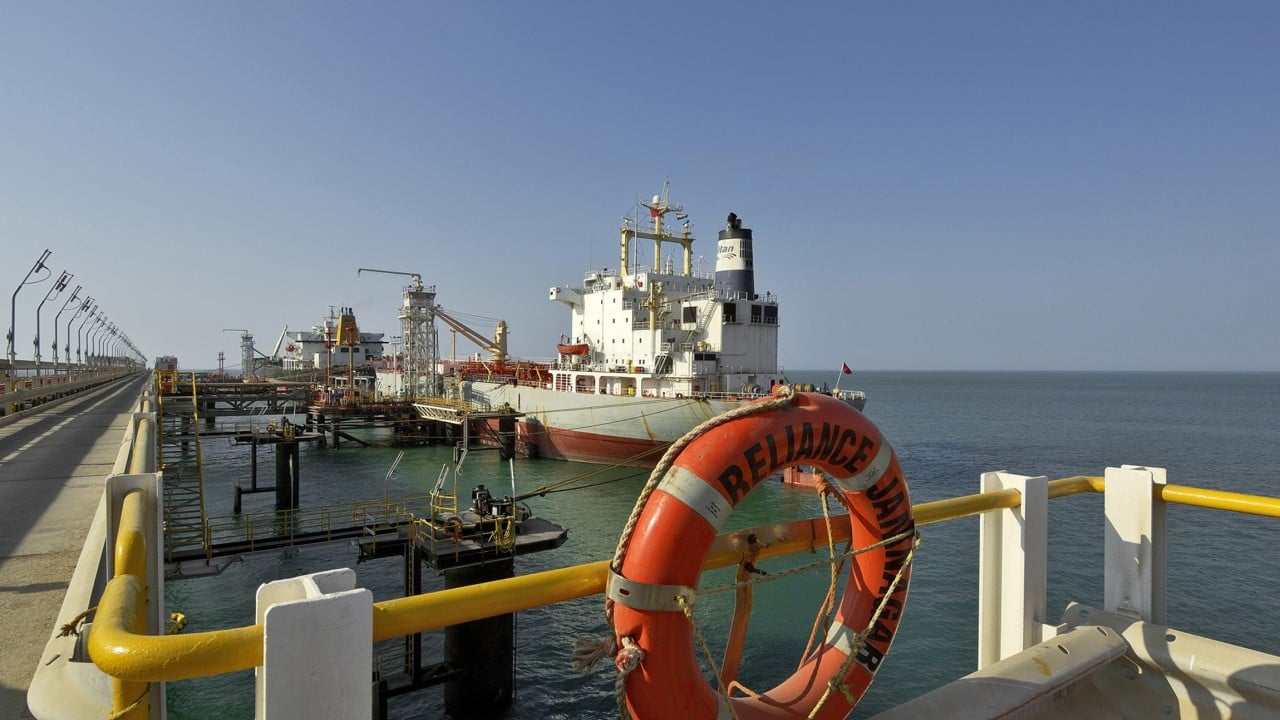
From a technical perspective, the Advantage Life tanker took on diesel at Reliance's expansive Jamnagar refinery, one of the largest integrated refineries in the world with a capacity of over 1.24 million barrels per day. This shift not only highlights logistical flexibility but also underscores the refinery's strategic positioning for maximizing profit margins in the rapidly evolving Asian markets.
The consequences of this diversion could be profound, precipitating an energy crisis in Europe as suppliers scramble to fill the gap left by diverted shipments. Continued reliance on Russian and Middle Eastern oil is risky, primarily if conflicts escalate, leading to further disruption in supply chains. Additionally, if Reliance's Asian focus proves profitable, other refiners might follow suit, compounding the challenges Europe faces.
Historically, shifts in oil supply routes have invoked significant geopolitical consequences, seen during the 1973 oil crisis when Arab oil embargoes led to a reorientation of energy policies worldwide. Such precedents highlight how energy disruptions can catalyze broader economic and political changes, underscoring the volatility in today's geopolitical landscape.
Moving forward, analysts should closely watch shipping patterns, European energy demands, and any further escalation in Middle Eastern conflicts. Additionally, tracking energy pricing fluctuations, particularly in diesel markets, will be essential to understand the evolving dynamics as global stakeholders adjust their strategies in response to these significant shifts.