India Hosts Iranian Warship IRIS Lavan Following US Attack on IRIS Dena
India's docking of an Iranian warship amidst escalating US-Iran tensions signals a stark geopolitical shift. The IRIS Lavan's arrival in Kochi raises questions of regional security and alliances.
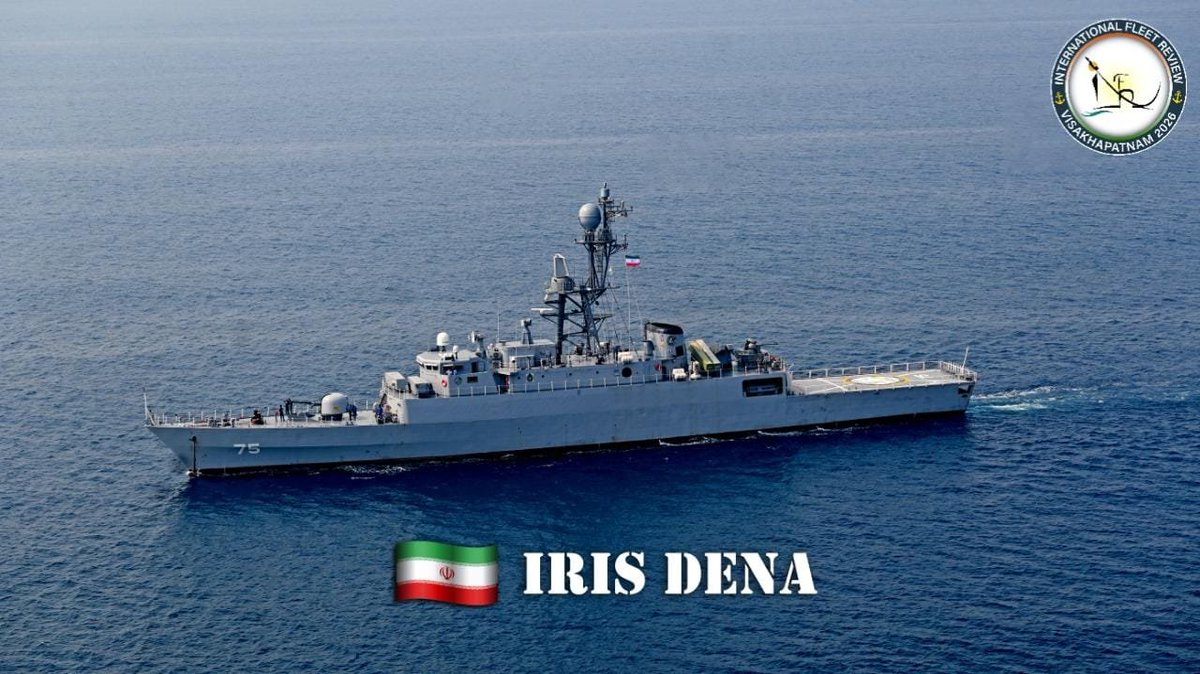
An Iranian warship, IRIS Lavan, has docked at the Indian port of Kochi, as confirmed by Indian government officials. This development comes shortly after a U.S. submarine allegedly torpedoed another Iranian vessel, the IRIS Dena. The crew of 183 personnel from IRIS Lavan are now housed at Indian naval facilities, highlighting a potential shift in security dynamics in the Indian Ocean region.
Historically, India and Iran have maintained a strategic relationship, driven by mutual interests in trade and countering U.S. influence. However, this latest incident introduces a complex layer to that relationship, as the U.S.-Iran tensions escalate following the reported attack on IRIS Dena. This bombardment signals a troubling trend of increased hostility, with mounting risks of miscalculation in an already volatile environment.
The significance of India accommodating the IRIS Lavan cannot be overstated. This move raises alarms regarding the balance of power in the Indian Ocean, where the U.S. and its allies have been increasingly assertive. By granting refuge to Iranian military assets, India risks alienating key partners while emboldening Iran amidst its ongoing adversarial relationship with Washington.
Key actors in this scenario include the Indian government, which seeks to assert its independence in foreign policy by engaging with Iran, and the U.S., which perceives such actions as defiance to its regional strategy. Iran's motivations are equally critical; by accessing Indian support, Tehran aims to counteract increased pressure and sanctions from the West, seeking allies against potential naval blockades.
Technical details surrounding the IRIS Lavan point to its dual capabilities; the warship is outfitted for both naval combat and supporting maritime trade routes. The incident involving the IRIS Dena raises serious operational questions about U.S. naval tactics and their effectiveness against Iranian forces. The introduction of such warships into Indian waters demands scrutiny on the potential military implications and responses.
The consequences of this hosting event could lead to further destabilization in the region. A potential escalation of naval engagements could emerge as Iran seeks to capitalize on its new footing in India. Additionally, could India be drawn into potential crossfire if U.S. operations to counteract Iranian vessel movements intensify?
In the historical frame of naval confrontations, India's refuge to Iranian vessels echoes past Cold War alignments, where nations often found themselves caught in the middle of superpower contests. The current geopolitical climate, marked by military skirmishes and diplomatic isolation, puts India in the spotlight as it balances relations with both the U.S. and Iran.
Going forward, analysts should closely monitor Indian naval operations and the IRIS Lavan’s activities within Kochi. Key indicators will include potential Iranian military logistics through India and any escalatory responses from the U.S. that may provoke Iranian retaliatory actions. Increased frequency of military exercises in the region or naval presence changes by the U.S. and its allies will signify intensifying tensions in this evolving crisis.