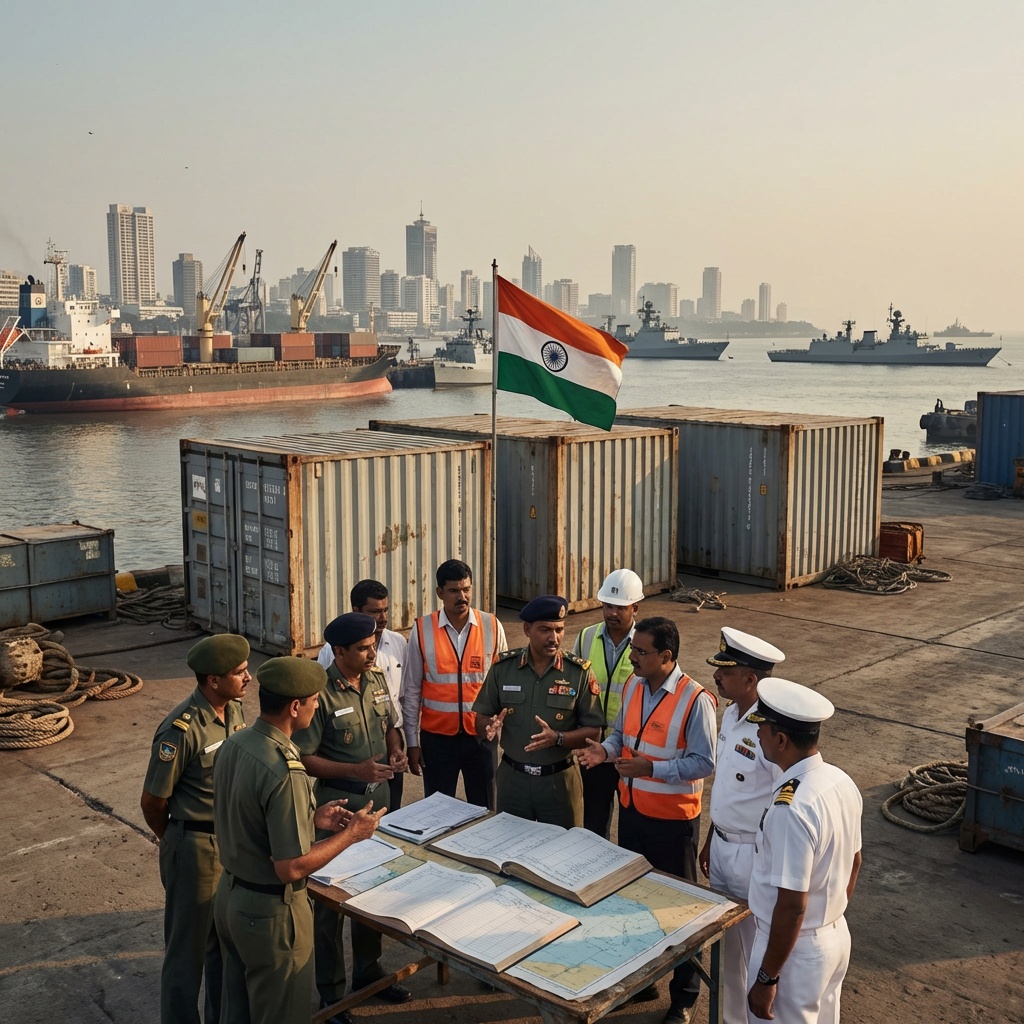
India Denies US Naval Strikes on Iran Use of Its Ports
India's outright denial of US Navy operations from its ports to target Iran highlights escalating regional tensions and poses significant implications for Indo-Iranian relations. This move could disrupt strategic maritime alliances in the Indian Ocean region.
India's Ministry of External Affairs has officially denied allegations claiming that the United States Navy is conducting attacks on Iranian territory from Indian ports. This denial comes in response to multiple reports suggesting that US naval vessels are being utilized to launch strikes against Iran, raising concerns about potential complicity from Indian authorities in US military operations that could exacerbate tensions in the region.
Historically, India has maintained a delicate balancing act between its relationships with the US and Iran. The Iranian port of Chabahar is significant for India as a gateway to Afghanistan and Central Asia, making this denial a stark reminder of India's diplomatic precariousness. Previous military collaborations and energy agreements with Iran have been clouded by pressure from the US to curb Iranian influence and capabilities. The geopolitical backdrop reveals a long-standing competition for influence in the Indian Ocean, with both regional and global powers vying for strategic control.
The denial signifies growing strategic risks for India. The allegation of US naval actions could suggest a deepening military cooperation with the US at the expense of its relationship with Iran. Such a shift might embolden American naval operations in the region, fostering Iranian hostility against India as Tehran perceives a betrayal from a historically non-aligned partner. The diplomatic ramifications could encourage a broader confrontation not only between the US and Iran but also impact India's strategic positioning in the larger Indo-Pacific landscape.
Key players in this situation include India, the US, and Iran, each with their own motivations. The US seeks to pressure Iran into compliance with its strategic interests, while India aims to secure its own regional interests without alienating Iran. Tensions may surface as India attempts to maintain dialogue with Tehran while managing its defense and military ties with Washington, a relationship that has strengthened in recent years with joint exercises like Malabar involving other regional powers.
Operationally, the presence of US naval assets in the Indian Ocean poses increased risks for India, which has a limited naval capability compared to the US. Should the US decide to openly use Indian ports for military operations, it may alter the force balance in the region. Current US naval deployments include carrier strike groups equipped with high-tech systems like the P-8 Poseidon for surveillance and anti-submarine warfare. Meanwhile, India's own naval modernization efforts, such as the commissioning of INS Vikrant, the first indigenous aircraft carrier, may be jeopardized by these evolving alliances.
The potential consequences of this denial include an escalation in military posturing among the affected states. Iran may retaliate not just against US forces but could also target Indian interests indirectly. This situation escalates fears of proxy conflicts or maritime confrontations in the Persian Gulf or the Indian Ocean, escalating already inflamed regional dynamics.
Historical parallels include the US military's previous operations in the region and their fallout. The tensions witnessed during the 2003 Iraq invasion, where several countries were drawn into conflict dynamics, indicate how such denial can trigger wider military engagement with unwelcome consequences. The implications of US military activities in a third nation can resonate deeply and have enduring effects on diplomatic ties.
In the coming weeks, close surveillance of diplomatic communications between India and both the US and Iran will be crucial. Key indicators to watch will include naval deployments in the Indian Ocean, any changes in port access agreements, and shifts in Iran's military rhetoric. The situation remains fluid and merits attention as new developments could redefine the power balances in the region swiftly.