Iceland Implements First Defense Strategy Amid Cold War 2.0 Tensions
Iceland's initiation of its first-ever defense strategy underlines a significant shift in military posture in response to rising geopolitical tensions. This deployment reflects NATO's renewed focus on regional security amid resurgent threats from Russia.
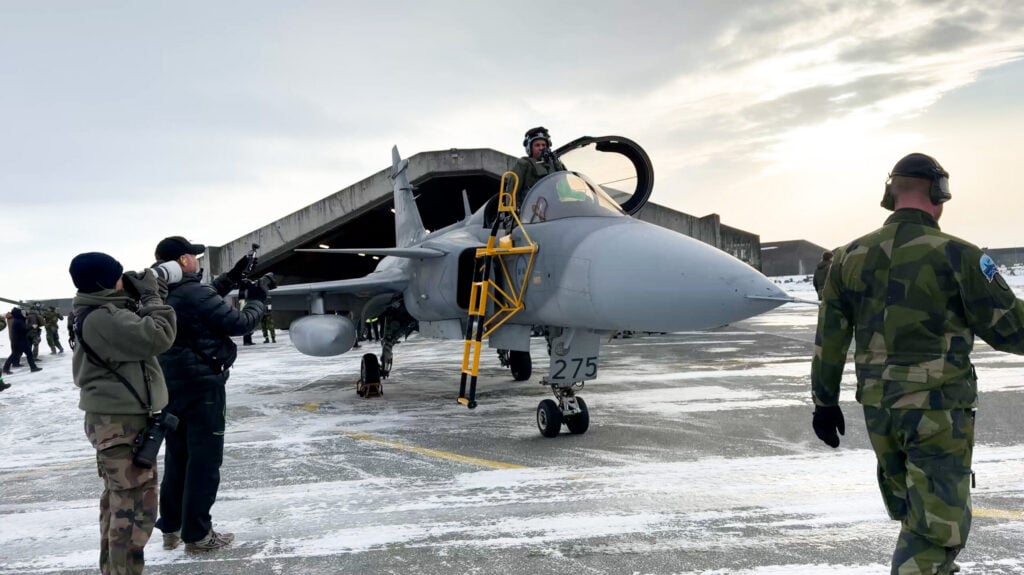
Iceland has officially adopted its first military defense strategy in over 70 years, coinciding with the deployment of Swedish fighter jets to its territory. The Swedish Air Force is now stationed at Keflavik Air Base as part of NATO's enhanced forward presence in the face of escalating geopolitical tensions, particularly with Russia's aggressive posture in Northern Europe. This move marks a pivotal change in Iceland's traditionally pacifist approach to defense, signaling a readiness to confront emerging security challenges directly.
Historically, Iceland has relied heavily on NATO allies for defense, especially given its strategic location between North America and Europe. Following the end of the Cold War, the nation allowed its military capabilities to atrophy, lacking a standing army and primarily depending on U.S. forces stationed intermittently. As geopolitical dynamics have shifted with Russia's military incursions into Ukraine and heightened Arctic ambitions, Iceland's need for a proactive defense strategy has become glaringly apparent.
The significance of this development stems from the broader implications for NATO's collective defense framework. Iceland’s increased military readiness enhances regional deterrence against potential threats, particularly aimed at safeguarding crucial transatlantic routes and airspace. The deployment of advanced Swedish Gripen fighters not only provides immediate airborne capabilities but also deepens collaboration among NATO allies, reshaping the security landscape in the North Atlantic.
Key actors in this scenario include Sweden, which seeks to bolster its military alliances after severe provocations from Russia, and NATO, striving to present a unified front in an era of renewed great power competition. Sweden’s motivations are clear: increasing regional security and supporting allies like Iceland, while also reaffirming its own defense commitments. Iceland's strategic decision underscores its recognition of vulnerabilities exposed by regional aggression and its commitment to NATO's collective security.
The Swedish Gripen fighter jets deployed to Iceland are multirole aircraft known for their versatility and cost-effectiveness. Each aircraft is equipped with advanced radar and precision weaponry capable of engaging multiple targets simultaneously. This deployment will enhance Iceland's air defense capabilities significantly, as the nation has lacked advanced combat aircraft since the U.S. military's withdrawal in 2006.
This strategic shift poses a clear escalation vector as tensions with Russia continue to mount. Moscow has already warned that such military deployments in the Arctic region could provoke a response, raising the stakes for all NATO member states. Should incidents occur involving Russian aircraft or vessels, this could rapidly escalate into a broader conflict, potentially drawing in additional regional players.
Historically, this move may draw comparisons to the early Cold War era when newly formed alliances led to military buildups across Europe, particularly in response to Soviet actions. The use of Iceland as a base for foreign fighter jets highlights a critical return to military readiness that had long been dormant. The implications of this new defense posture could redefine defense strategies across the Nordic region for years to come.
Looking ahead, intelligence analysts will need to monitor Russian military activities in response to Iceland's defense strategy and increased NATO presence. Key indicators to watch for will include patterns of Russian naval movements in the North Atlantic and the reaction of other NATO members to Iceland's military enhancements. Increased surveillance and potential retaliatory measures by Moscow could also signal further escalations in a region that is already treading dangerous waters.