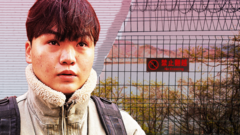
I escaped North Korea with my mum. Now I'm terrified she might be sent back
Geumseong fled North Korea safely to South Korea, but his mother is detained in China and risks deportation. This case highlights China's controversial repatriation policy endangering defectors. It exacerbates tensions in East Asia over human rights and refugee protections.
Geumseong successfully escaped North Korea and reached South Korea, securing his freedom. However, his mother, who was captured and is currently held in a Chinese detention facility, faces imminent forced repatriation back to North Korea. Concerns are mounting over her safety due to North Korea's harsh treatment of returnees.
North Korean defectors often transit through China, where authorities routinely detain them and negotiate their return to Pyongyang. China labels these defectors as illegal economic migrants despite international calls to recognize them as refugees. This policy exposes escapees to grave punishment including imprisonment and torture if sent back.
Regionally, China's forced repatriation strains its diplomatic relations with South Korea and Western nations advocating for human rights. It underscores Beijing's prioritization of strategic ties with North Korea over humanitarian obligations. This contributes to rising regional instability and complicates efforts to address North Korea’s repressive regime.
Geumseong’s mother is reportedly held in a prison near the China–North Korea border under harsh conditions. Experts warn that forced repatriation will almost certainly lead to her imprisonment in North Korea’s notorious labor camps. The use of Chinese detention centers as transit points for defectors turns into a deadly chokehold.
Unless international pressure mounts on Beijing to halt these repatriations, cases like Geumseong’s mother’s will continue, fueling human suffering and worsening geopolitical tensions. The global community faces a critical test of balancing diplomacy with protecting vulnerable defectors fleeing one of the world’s most oppressive regimes.