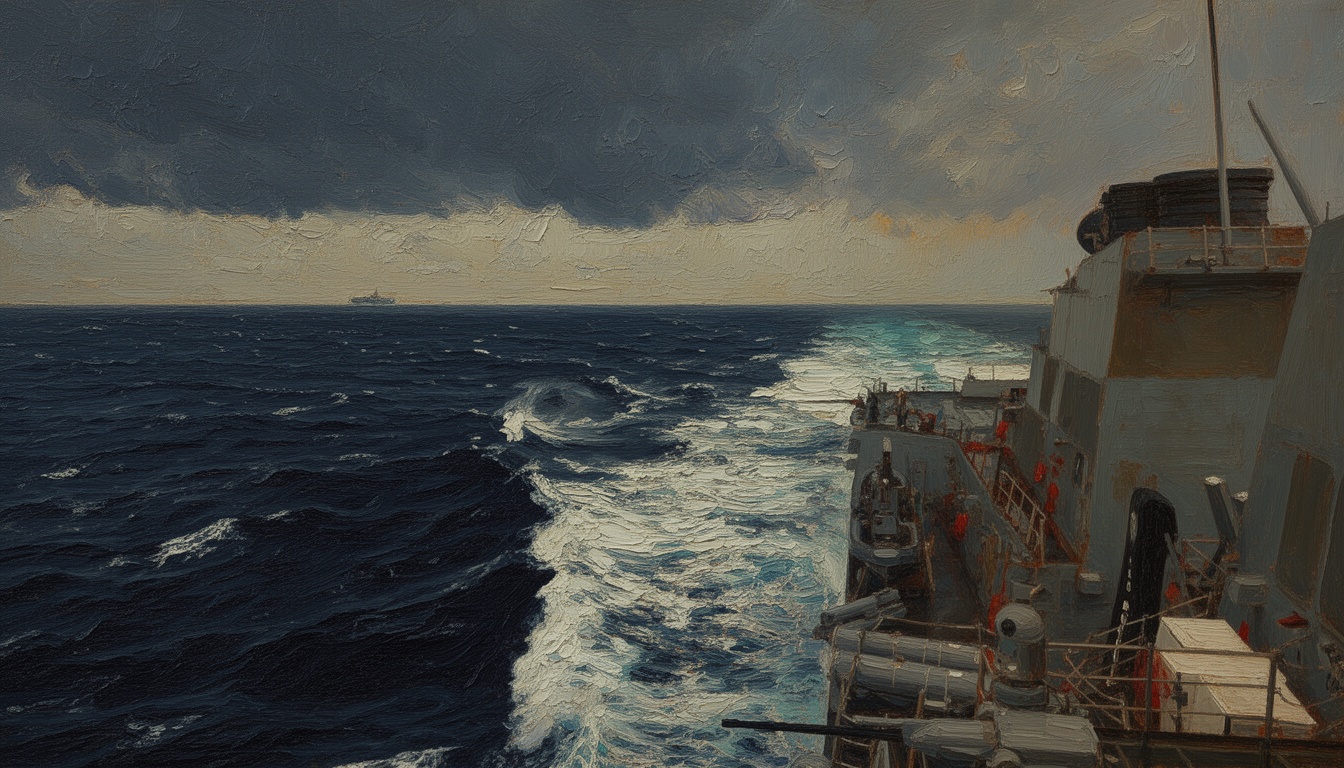
Hormuz Disruption Sparks Global Trade, Defense Crisis at Chokepoints
Disruption at the Strait of Hormuz threatens global maritime trade flows and escalates international security pressures. This chokepoint crisis demands coordinated defense policies to secure critical shipping lanes worldwide.
A disruption at the Strait of Hormuz will trigger a severe crisis across global shipping routes, forcing major military powers and international coalitions to rethink maritime security strategies. The vital chokepoint handles nearly one-third of the world's seaborne oil trade, making any interference a global economic shockwave. Such disruptions degrade confidence in trade reliability and compel nations to increase military presence and surveillance at all critical maritime bottlenecks.
Historically, the Strait of Hormuz has been a flashpoint due to its narrow geography and strategic importance for energy exports from the Persian Gulf. Recent tensions involving Iranian forces and international navies have intensified the risk of conflict and navigation interruptions. This scenario recalls previous crises where military clashes and blockades temporarily impeded oil flow, impacting markets worldwide.
Strategically, the ripple effects of a Hormuz closure would extend to other global chokepoints such as the Bab el-Mandeb, Suez Canal, and Malacca Strait. Nations dependent on maritime trade through these passages face escalating security challenges. Defense planners must now enhance multinational coordination and develop rapid response capabilities to deter state and non-state actors seeking leverage by threatening maritime commerce.
Operationally, the disruption demands upgrades in surveillance systems, deployment of naval assets, and use of unmanned technologies in chokepoints to ensure continuous route security. Tanker rerouting, increased insurance costs, and adaptive logistics will become mandatory until stable maritime conditions return. The financial figure involved is staggering, with over 20 million barrels of oil per day passing Hormuz, underpinning global energy and goods movement.
Looking ahead, the disruptions compel a strategic rethink in global defense and economic policies. International coalitions must prioritize chokepoint security as a vital component of global stability. Failure to address these vulnerabilities risks long-term supply chain instability, empowering regional belligerents and escalating conflict potentials in vital maritime corridors.