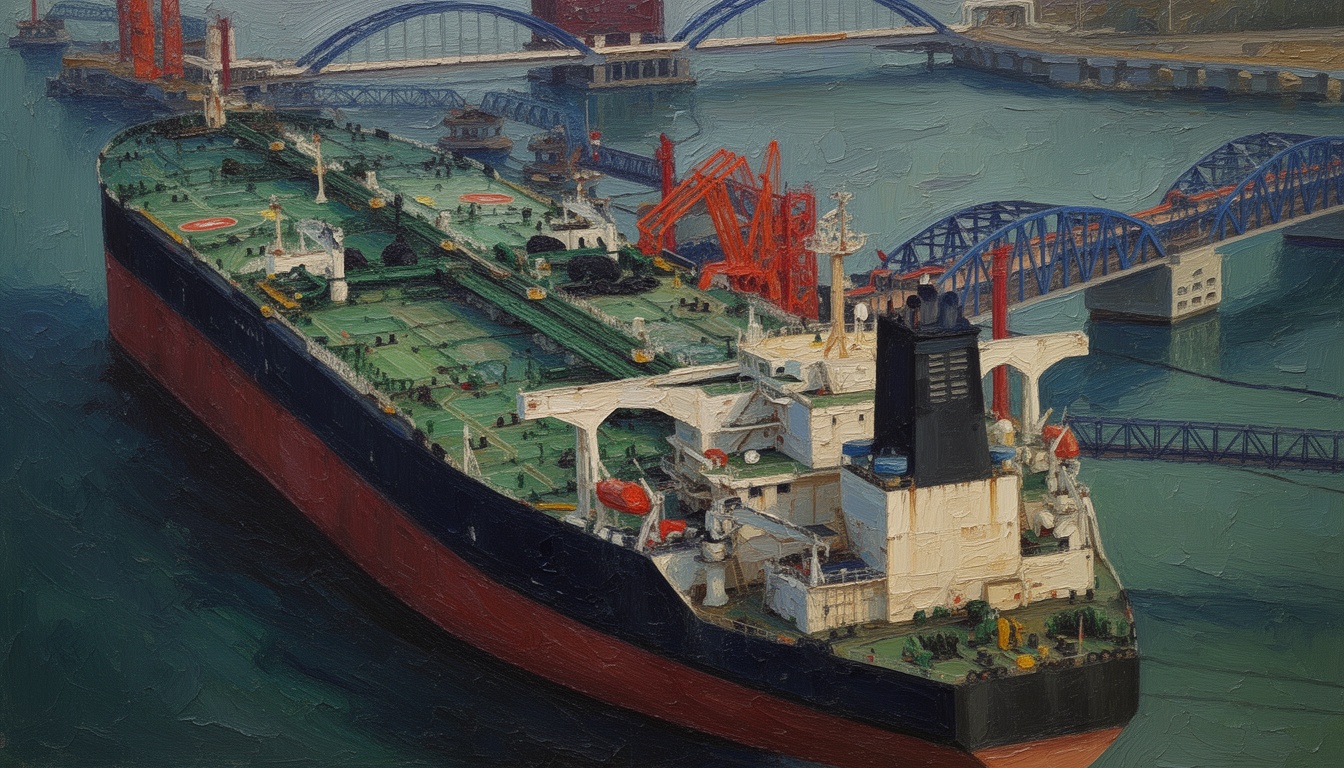
Hormuz Crisis Forces US-China Energy Cooperation Urgency
The Strait of Hormuz crisis disrupts global energy flows, pressuring US-China collaboration. Experts highlight China's growing role in global energy governance amid rising tensions.
The escalating crisis in the Strait of Hormuz has destabilized critical global energy supply routes, compelling the United States and China to urgently consider cooperative measures. Wang Lining, head of the oil market department at the China National Petroleum Corporation’s research institute, argues that despite current geopolitical frictions, bilateral collaboration remains vital.
The Strait of Hormuz is a pivotal chokepoint through which approximately one-fifth of the world’s oil passes. Heightened tensions here threaten not only regional security but also international energy markets, putting pressure on major consumers and producers alike to stabilize supply.
Strategically, this crisis exposes the necessity for US-China dialogue on energy security and diplomatic coordination. Washington’s recent diplomatic pivot towards energy issues signals recognition of China’s expanding influence in energy governance and the need to incorporate Beijing into broader international frameworks.
China National Petroleum Corporation, a state-owned behemoth, leads major upstream and downstream oil projects domestically and abroad, leveraging advanced exploration technologies and extensive reserves. Its research arm closely monitors market dynamics to guide state policy and global strategy.
If unresolved, the Strait of Hormuz crisis could sharply escalate energy prices and deepen geopolitical rivalries, provoking wider economic instability. The pathway to de-escalation arguably lies in renewed US-China engagement, blending strategic competition with pragmatic cooperation to secure global energy flows.