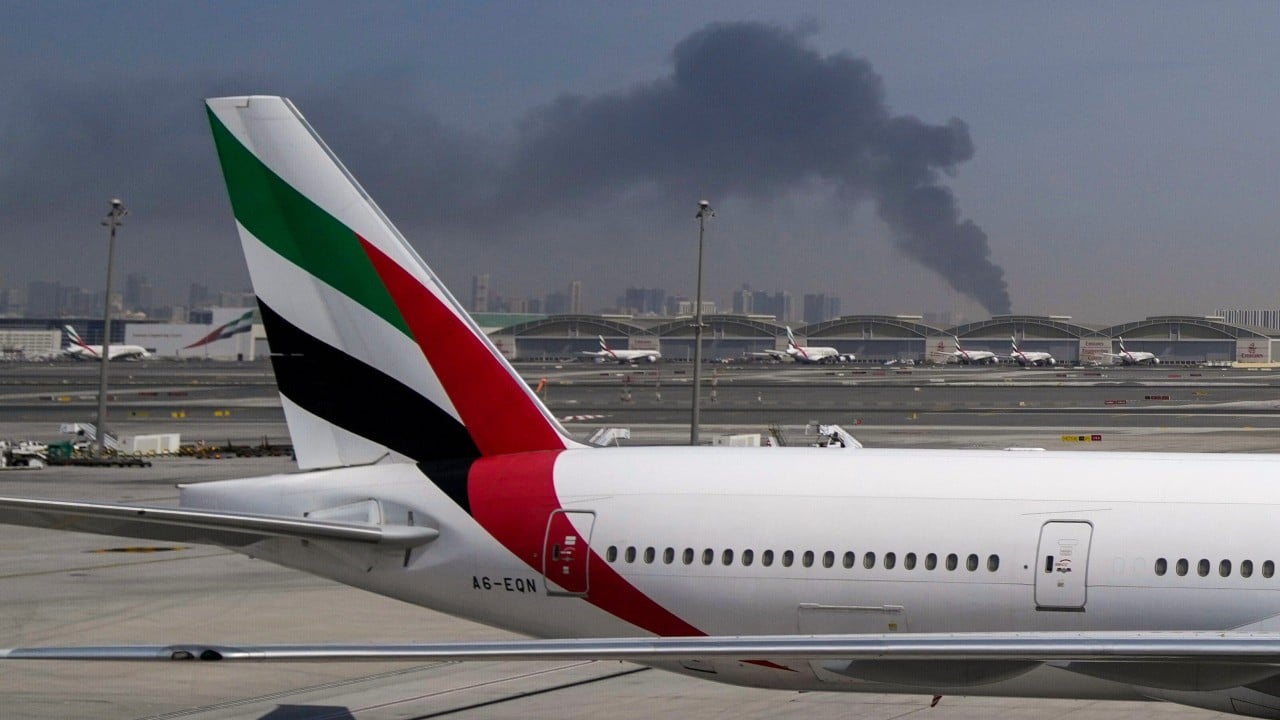
Hongkonger Pays HK$11,000 to Escape Dubai Amid Conflict Crisis
A Hong Kong traveler stranded in Dubai amid escalating Middle East tensions faced significant peril, ultimately paying a steep price for escape, highlighting the region's instability. This crisis underscores broader risks in civilian air travel and safety in conflict zones.
Shirley Sung, a 30-year-old traveler from Hong Kong, had no choice but to pay HK$11,000 (US$1,406) to escape Dubai after being stranded for a week amid deteriorating security conditions. Her attempts to secure a flight home were thwarted eight times due to the escalating conflict in the Middle East, forcing her into an increasingly dire situation. She eventually managed to fly out via Kuala Lumpur, highlighting the chaos affecting civilian travel and safety in the region.
Sung was in Dubai to attend a wedding when Iran conducted missile strikes as retaliation for recent U.S.-Israeli military actions. The situation spiraled out of control as tensions mounted between Iran and its adversaries, forcing residents and travelers alike to seek shelter amid air raid alerts. This incident is emblematic of the growing dangers facing travelers in regions embroiled in military conflict, particularly in the Middle East where geopolitical frictions are ever-present.
The significance of this incident extends beyond the immediate peril experienced by Sung. It reveals the fragility of air travel in conflict zones, as airlines and nations grapple with the operational implications of military threats. Such disruptions can severely impact tourism and business travel, with ripple effects likely felt globally, especially in markets heavily reliant on travel and hospitality.
Key actors in this regional crisis include the U.S., Israel, and Iran, each pursuing their strategic objectives. The U.S. aims to maintain its influence in the Middle East while countering Iranian expansion. Iran, on the other hand, seeks to assert its presence and retaliate against perceived aggressions. As the conflict escalates, the motivations of these states may lead to broader military engagements, further destabilizing the region and continuously placing civilians at risk.
Operationally, the conflict has already demonstrated significant capabilities through Iran’s missile strikes, emphasizing the growing sophistication of regional military assets. The fallout from these military actions affects civilian air travel routes, complicating the logistics of commercial aviation in this critical region, which also encompasses key transport hubs like Dubai.
The consequences of this situation could lead to mass evacuations of foreign nationals or heightened travel advisories, potentially resulting in significant economic losses for the tourism sector across the Middle East. The ongoing volatility could also provoke more severe military responses, setting a dangerous precedent for regional and global security dynamics.
Historically, civilian casualties and stranded travelers during times of conflict have been witnessed in various scenarios, such as the evacuation operations during the Gulf War and the Syrian Civil War. These precedents highlight the urgent need for effective contingency planning for civilian safety in the face of international conflicts.
Moving forward, intelligence analysts and travelers should monitor updates from the region closely, particularly the status of air travel advisories and the security implications of Iran's military posture. The potential for further escalation remains high, with indicators pointing to increased military engagements in the coming weeks. Travelers planning to visit conflict-prone regions should remain vigilant and aware of their surroundings, as security conditions can change rapidly.