Hong Kong's Push for Offshore Yuan Hub Amid US-Iran Tensions
Hong Kong aims to assert its financial dominance as tensions escalate between the US and Iran, positioning itself as a key player in offshore yuan transactions. This move is critical for attracting global capital in an unstable international landscape.
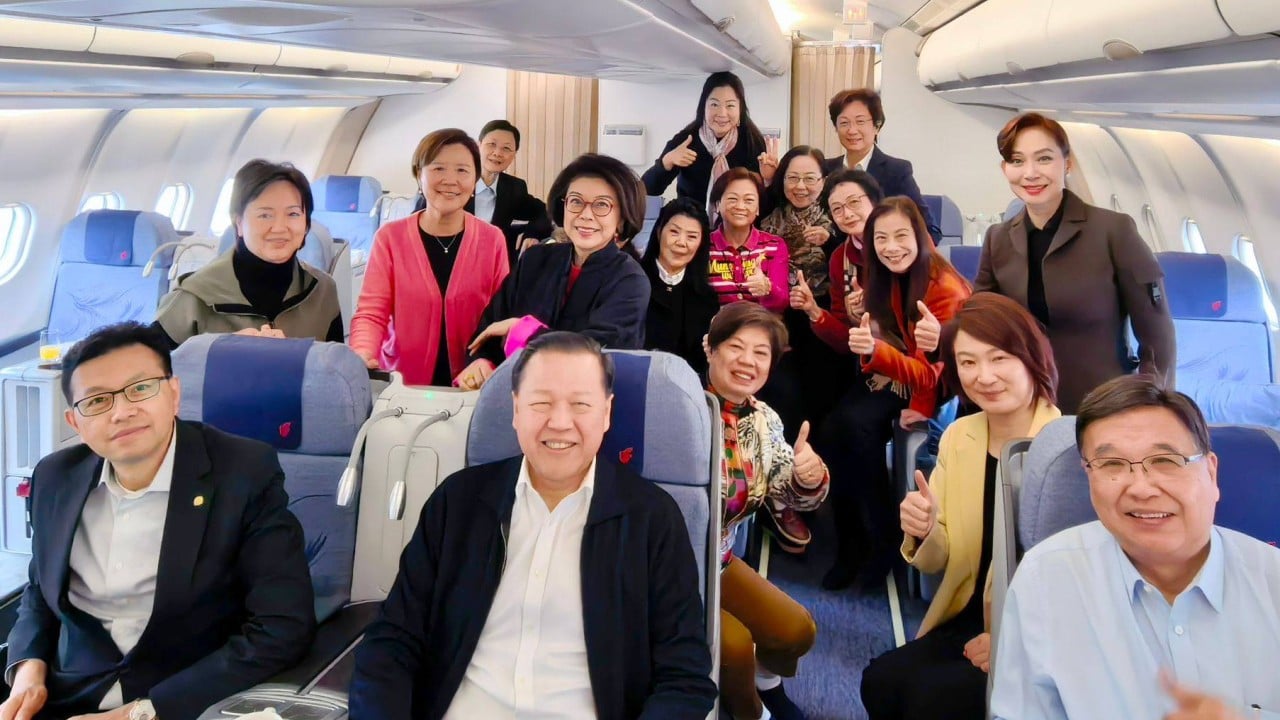
Hong Kong’s legislative leader, Starry Lee Wai-king, is set to propose a strategic enhancement of the city’s role as an offshore renminbi hub while expanding its bond market. This initiative comes during a period of heightened tensions following US-Israel military actions against Iran, which have potential ripple effects on global capital flows. Lee's advocacy aims to cement Hong Kong's position amidst fierce international competition for investment capital.
The backdrop to this push is a complex web of geopolitical tensions. Recent strikes against Iran by the US and Israel have intensified fears of market instability, particularly in the Middle East, which is closely linked with global energy supplies. Hong Kong’s economic future hinges on capital inflows, rendering the city's financial policies critical as international investors exhibit caution due to rising regional risks.
This move holds significant implications not just for Hong Kong, but for global financial markets. By boosting its offshore yuan capabilities, Hong Kong seeks to attract increased foreign investment, presenting itself as a stable alternative during turbulent times. The city’s financial sector could thereby gain leverage against other financial hubs amid shifting economic dynamics resulting from geopolitical crises.
Key players in this initiative, including Starry Lee and the Chinese government, are motivated by a desire to strengthen the yuan’s status in global finance while countering any potential negative impacts from the escalating US-Iran situation. China's broader strategy to internationalize the renminbi aligns with these goals, indicating that Hong Kong has a vital role in achieving these national objectives.
Operationally, enhancing Hong Kong's bond market might involve introducing new financial products and streamlining regulations to facilitate foreign investment. These proposals could potentially include measures to simplify the issuance of renminbi-denominated bonds as well as incentivizing foreign entities to invest in Hong Kong. Specifics, including target growth figures for issuance and timelines for implementing these strategies, remain to be clarified, but the desire for rapid action signals urgency.
The likelihood of this proposal succeeding will depend heavily on the Chinese government's willingness to back Hong Kong's aspirations while ensuring that the city remains distinct from the increasing authoritarian grip of mainland policies. If realized, this could lead to significant capital inflows, yet it may also provoke pushback from competing financial centers like Singapore, which could intensify regional economic rivalries.
Historically, Hong Kong has navigated similar challenges, having previously repositioned itself during the Asian financial crisis of 1997. Each crisis has provoked transformations in its economic landscape, showcasing resilience and adaptability. Nonetheless, the current geopolitical climate presents unique challenges and risks not faced in previous economic downturns.
Looking ahead, intelligence analysts should monitor specific indicators such as changes in foreign direct investment flows, regulatory reforms proposed at the “two sessions,” and the response from major capital markets. Potential backlash from international stakeholders wary of Hong Kong’s political landscape could also impact the feasibility of this proposed initiative. Additionally, forthcoming statements from Chinese authorities could reveal underlying strategic alignments regarding the yuan's role on the global stage.