Hong Kong Seizes 8,000L Illegal Fuel, Arrests Driver Worth $32,000
Hong Kong police arrested a driver and confiscated over 8,000 litres of illicit fuel valued at HK$250,000 amid escalating global oil tensions. This crackdown follows rising black market activities linked to Middle East conflict-driven price hikes. The seizure underscores growing challenges in fuel security and smuggling networks in a major financial hub.
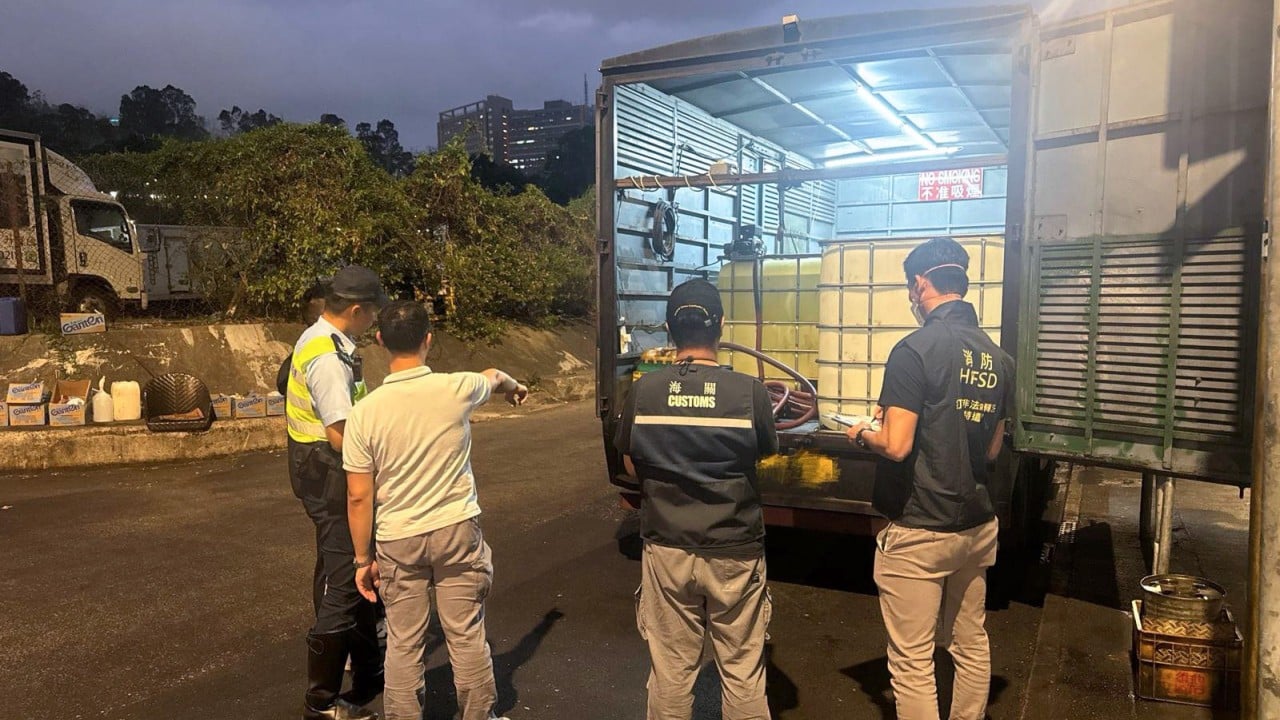
Hong Kong authorities arrested a 61-year-old driver and seized more than 8,000 litres (2,100 gallons) of illegal fuel valued at HK$250,000 (US$32,000). The operation was conducted jointly by the Hong Kong Police Force, Fire Services Department, and Customs and Excise Department. The seizure represents one of the largest in recent months amid intensified enforcement efforts.
This arrest comes as global oil prices continue to rise sharply due to ongoing conflicts in the Middle East, which have disrupted supply chains and boosted demand for alternative fuel sources. Illicit fuel trading has surged in Hong Kong’s shadow markets as consumers and businesses seek cheaper black market alternatives.
Strategically, the large-scale fuel smuggling threatens regional fuel market stability and undermines regulatory controls in a critical financial and shipping hub. Hong Kong’s enforcement response signals an escalation in crackdowns aimed at protecting domestic fuel supplies and deterring organized criminal networks exploiting global energy volatility.
The illegal fuel mixed and stored in unregulated tanks posed significant fire and environmental risks, with over 8,000 litres seized in multiple containers. The arrested driver was connected to about 4,000 litres discovered in a vehicle linked to black market distribution, emphasizing the operational scale and sophistication.
This case highlights broader risks of fuel smuggling amid geopolitical crises, as adversaries exploit market disruptions. Authorities are expected to increase coordinated efforts targeting supply chain infiltration and illicit trade. Continued vigilance is critical to maintaining fuel market integrity and regional security stability.