Hong Kong police deploy drones for first time to curb illegal street gambling
Hong Kong police have, for the first time, used drones to target illegal street gambling networks. Over the past two weeks, eight suspects were arrested in a joint operation that seized cash and equipment. The operation, JusticePeak, ran in early-April across Sha Tin and Ma On Shan divisions.
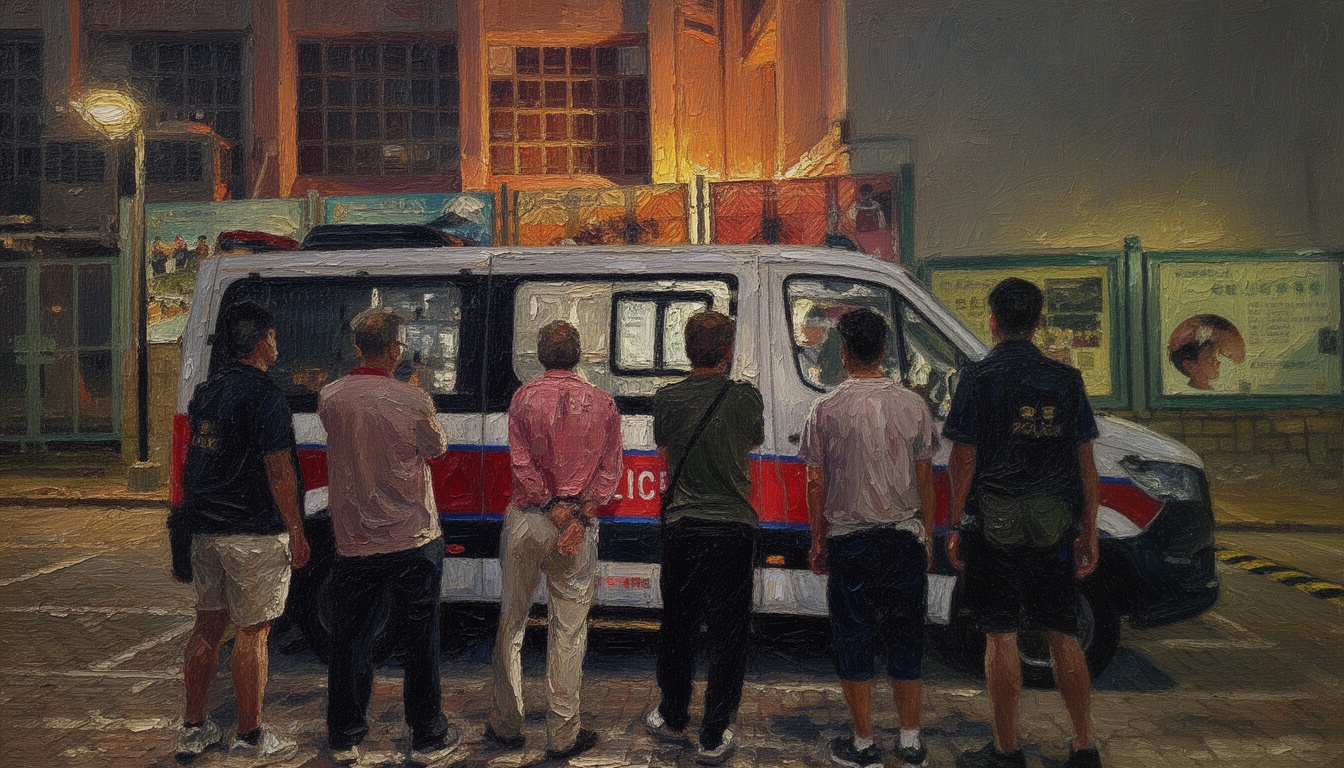
Hong Kong police have used drones for the first time to combat illegal street gambling operations, arresting eight suspects over the past two weeks. The arrests were carried out in Chung On Estate, with police reporting seven men and one woman aged 53 to 76. Authorities seized about HK$420 in cash along with gambling gear. The operations were part of a coordinated effort named JusticePeak, executed between April 5 and 18 by officers from the Sha Tin and Ma On Shan divisions to disrupt illicit gambling rings.
This marks a shift in surveillance tactics for public-order policing in Hong Kong, leveraging unmanned aerial technology to monitor high-risk streets and venues. Officials say drones enabled quicker identification of gambling hotspots and better situational awareness for ground units. The use of airborne assets signals a broader push to deter organized illicit activities in dense urban districts.
Strategically, the deployments reflect continued emphasis on deterrence and rapid response capabilities within Hong Kong’s policing framework. Street gambling networks are often linked to broader criminal activity, including cash-heavy operations and potential violence. Drones could complicate the operational calculus for illicit operators by shrinking reaction windows for evasion and by providing real-time guidance to officers on the ground.
Technical details remain limited, but authorities indicated the operation combined aerial reconnaissance with traditional policing assets. The eight arrests suggest a targeted sweep rather than a wide-scale crackdown, and the seized cash value, while modest, underscores the low-margin, high-risk nature of these networks. Moving forward, prosecutors will determine charges and the case’s potential impact on gambling controls in the estate area.
Forward assessment: if JusticePeak proves effective, expect expanded drone-enabled patrols in other districts and possibly tighter licensing controls around street-level gaming activities. The balance between civil liberties and public-order needs will shape future policy tweaks. Regional crime dynamics may shift as enforcement becomes more adaptive to drone-assisted intelligence.