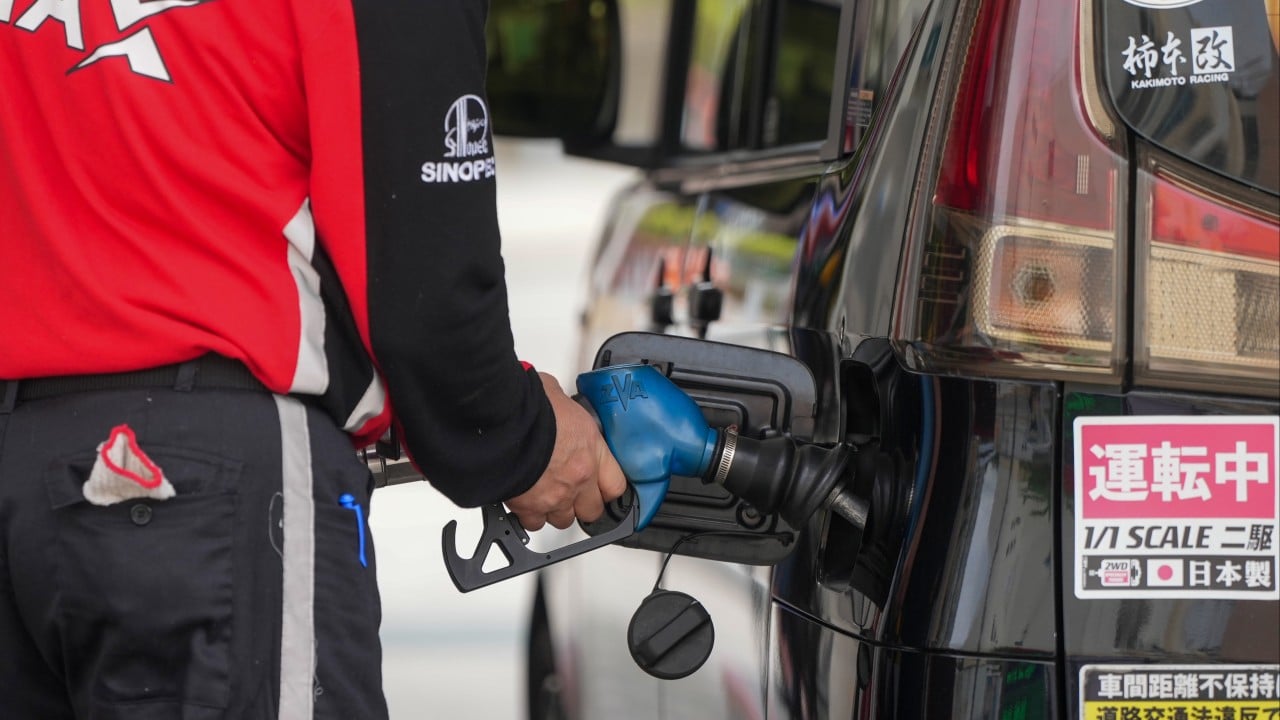
Hong Kong Fuel Price Crisis Sparks Accusations of Exploitation Amid Global Surge
Hong Kong is facing a fuel pricing crisis as retailers hike prices, exploiting geopolitical tensions linked to the Middle East conflict. As global fuel prices soar, authorities are pressured to reassess the local pricing mechanisms to protect consumers.
Hong Kong's fuel markets are under intense scrutiny as petrol retailers are accused of unjustly hiking prices amid escalating geopolitical tensions stemming from the US-Israel conflict with Iran. Despite the local supply not being depleted, residents have observed steep price increases that have exacerbated public outrage and economic pressure. This situation draws parallels to global fuel price surges and local exploitation tactics by retailers, raising urgent calls for regulatory intervention.
The background leading to this controversy encompasses the critical geopolitical developments in the Middle East, particularly the recent outbreak of hostilities between the US-backed Israel and Iran. Since the conflict intensified, global oil prices have surged, driven largely by fears over shipping disruptions in the Strait of Hormuz, a crucial artery for approximately 20% of world oil shipments. While local supplies in Hong Kong boasted weeks of stock, this disconnect has not shielded consumers from speculator-driven price surges.
The significance of this crisis lies in the strategic implications for Hong Kong's economy and the region's energy security. As global fuel prices soar, the city's economy is vulnerable to inflated fuel costs, which can lead to increased transportation and living expenses. Retailers have exploited the geopolitical situation to justify their price hikes, undermining consumer trust and potentially leading to social unrest, as rising costs impact lower-income populations disproportionately.
Key actors in this crisis include the Hong Kong government, which faces criticism for not safeguarding the public against price gouging, and the petrol retailers, who may prioritize profit over ethical considerations. The accusations against these retailers reveal a potential collective failure to self-regulate in times of crisis, which can lead to wider public discontent and calls for stricter oversight measures.
Technical details reveal that the price of Brent crude has risen significantly during the recent conflict, trading around $90 per barrel, a level that reflects not only supply-demand effects but also the speculative nature of the fuel market under crisis conditions. Local fuel prices, however, are tied to a pricing mechanism that many experts deem outdated and susceptible to manipulation during global pressures, compounding the urgency of the call for a review.
The likely consequences of this fuel pricing crisis include potential government interventions, possibly introducing price caps or legislation aimed at protecting consumers from exploitation. Furthermore, increased scrutiny on pricing mechanisms could trigger shifts in the buying behavior of consumers, leading to long-term changes in fuel consumption patterns and a potential push for alternative energy sources to mitigate future crises.
Historically, this situation is reminiscent of past price crises related to geopolitical conflicts, such as the Gulf War, when sudden price spikes led to similar civilian unrest and regulatory responses. These events serve as precedents for the economic and social backlash that can arise from unchecked price volatility in essential goods, particularly in regions heavily reliant on imported fuel.
Moving forward, key indicators to monitor include the local government's response and any regulatory measures they may enact to mitigate consumer impacts. Observing price trends and supply chain stability in the wake of ongoing Middle Eastern tensions will also provide insights into future fuel prices and Hong Kong's economic resilience amid global supply disruptions.