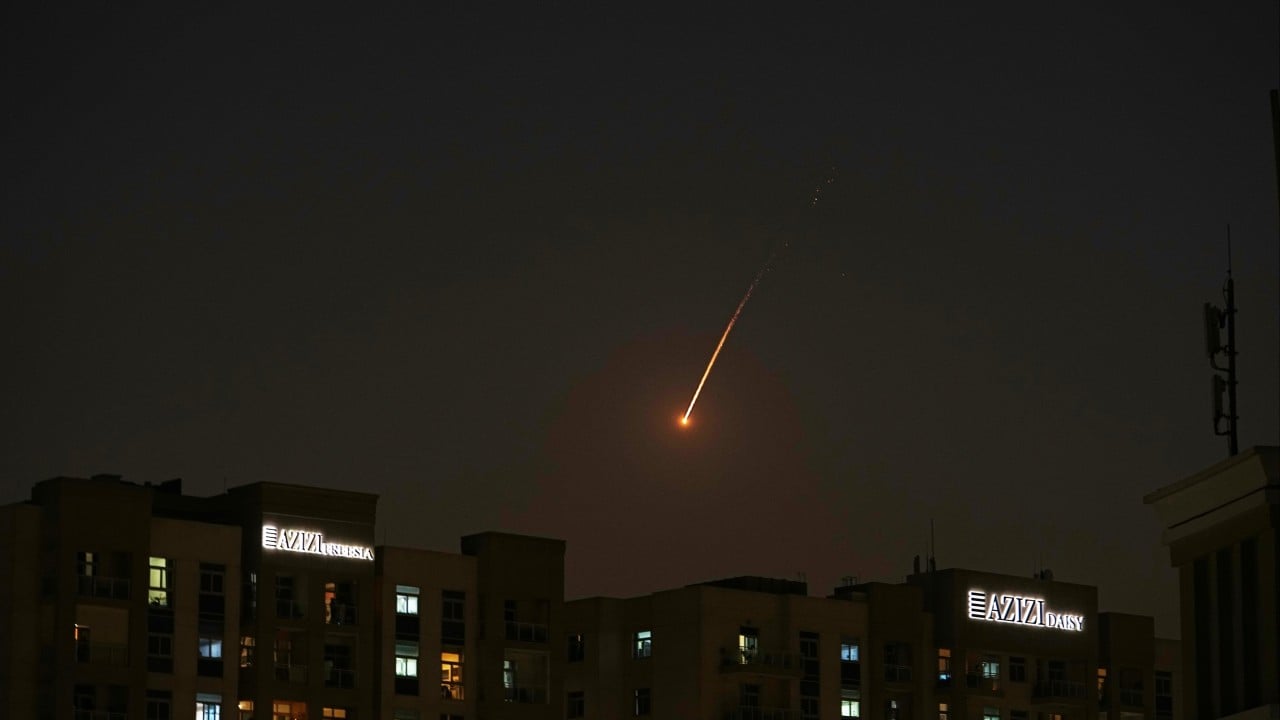
Hong Kong Firms Face Crisis; Shift Operations Amid Middle East Turmoil
Hong Kong entrepreneurs are urgently recalibrating operations to mitigate risks from escalating conflict in Iran. The fallout from the US-Israel war is forcing firms to seek safer markets in Europe and Southeast Asia.
Hong Kong-based firms are rapidly shifting their operational strategies in response to the escalating conflict in Iran and its surrounding geopolitical implications. Following the outbreak of intensified hostilities, which can be classified as the US-Israel war with Iran, businesses are now facing potential losses and disruptions that could threaten their stability. This urgent recalibration reflects a significant vulnerability exposed by the deteriorating security environment in the Middle East.
The background to this crisis lies in the long-standing tensions between Iran and both the US and Israel, particularly concerning Iran's nuclear ambitions and its support for regional proxies. Recent months have seen rising aggressions, culminating in overt military engagements that have magnified risks for foreign firms operating within this volatile theater. As these hostilities escalate, the need for Hong Kong entrepreneurs to hedge against economic fallout has become more pressing.
The significance of this development is profound, as it underscores the shifting dynamics within global supply chains and the operational landscapes of multinational companies. The increasing instability in the Middle East represents not just a regional issue but a challenge to international economic networks reliant on these markets. By reassessing their positions, Hong Kong firms reflect broader strategic risks, signaling a potential decline in investment and engagement in high-risk areas during heightened conflict.
Key players in this dynamic, such as Hong Kong’s entrepreneurial sector, have demonstrated acute awareness of market vulnerabilities. Their motivations extend beyond mere profit; preservation of capital and continuity of operations are paramount in the face of potentially catastrophic losses. This recalibration suggests an urgent desire to avoid geopolitical entanglements that could jeopardize their financial standing and operational effectiveness.
From a tactical standpoint, companies are exploring alternative markets. Europe and Southeast Asia emerge as preferred destinations due to their perceived strategic safety and stability. Reports indicate that firms are drawing up contingency plans and reallocating resources, anticipating a pivot away from Middle Eastern dependencies. This realignment will likely result in reduced operational scope in conflict-prone areas, alongside increased investments in safer regions.
The immediate consequences for Hong Kong firms could include diminished presence in lucrative markets, alongside challenges associated with establishing new logistical arrangements. A prolonged conflict in the Middle East may also lead to heightened costs and regulatory complexities when transitioning to new operational bases. Additionally, the ripple effects on supply chain timelines may unfavorably impact product availability within global markets.
Historical parallels can be drawn from previous conflicts that led to sudden corporate realignments. For example, during the Gulf War, many multinational firms reassessed their operational footprints, resulting in significant withdrawal from Iraqi markets. Such precedents suggest that the current crisis will likely prompt similar behavior among companies entrenched in high-risk regions.
Moving forward, the focus will be on monitoring how these shifts will manifest in terms of operational changes and financial impacts over the forthcoming months. Key indicators will include investment trends alongside any announcements of new partnerships in Europe and Southeast Asia. The ability of Hong Kong firms to adapt quickly and effectively will determine their resilience against ongoing geopolitical instability.