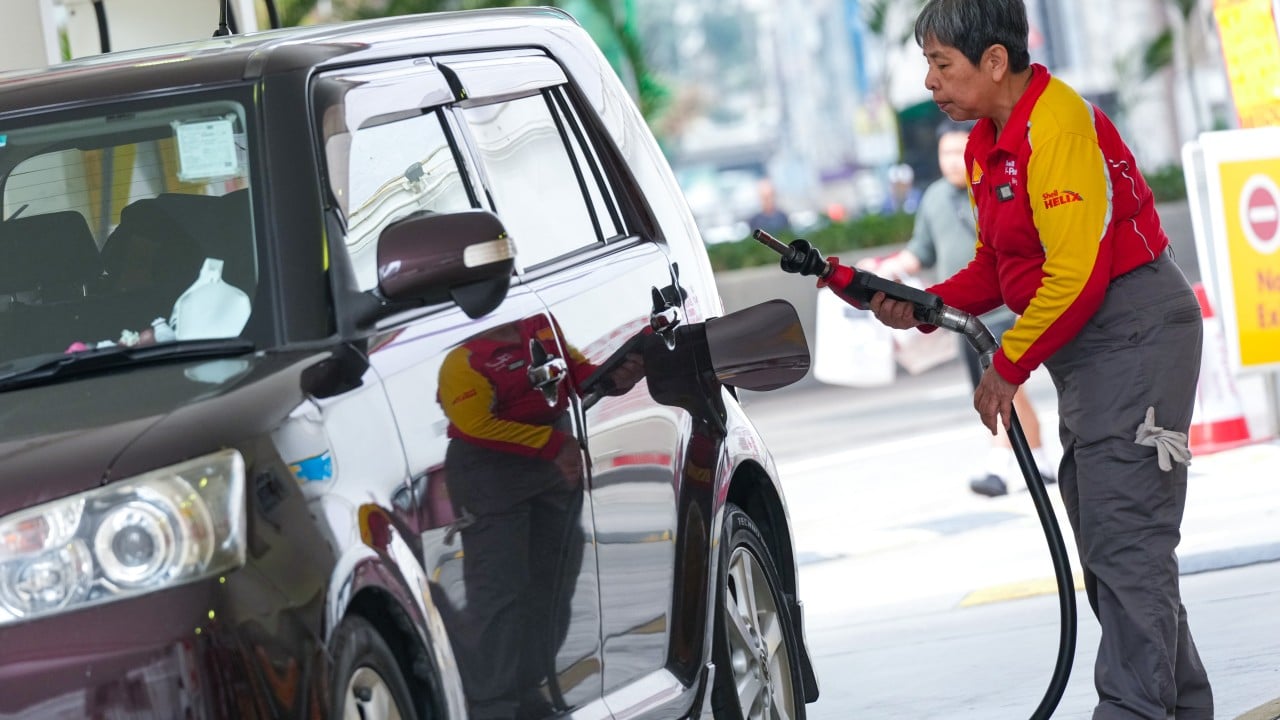
Hong Kong Drivers Flood Into China As Fuel Crisis Escalates
Surging oil prices push Hong Kong motorists to illegally refuel in China, revealing critical economic pressures and increasing tensions across borders. This reflects a deepening fuel crisis fueled by geopolitical instability in the Middle East.
Hong Kong drivers are increasingly crossing into mainland China for fuel as surging global oil prices and local cost increases create a crisis in the region. Reports indicate that these crossings are driven by illegal operations that have emerged as motorists seek lower prices in a neighboring economy, showcasing drastic measures amid significant financial strains on residents. This spike in cross-border refueling points to systemic vulnerabilities in Hong Kong's energy management and economic stability.
Historically, Hong Kong has maintained distinct fuel pricing due to its unique economic structure and policies. However, the recent escalation of conflict in the Middle East has pushed crude oil prices to unprecedented levels, with Brent crude nearing $95 per barrel, impacting regions dependent on imported oil like Hong Kong. The situation is compounded by local government crackdowns on illegal refueling operations, which are often seen as a necessary response to the rising costs faced by residents and businesses.
This trend of illegal refueling signifies a testing point for Hong Kong's economy, revealing how local fuel policies can be severely impacted by international events. The ongoing conflict has not only affected prices but also raised concerns over energy security and supply chain vulnerabilities, laying bare the reliance of Hong Kong on external oil supplies. With rising tensions in the Middle East, continuing disruptions threaten Hong Kong’s already high living costs and economic stability.
Key actors in this unfolding scenario include the Hong Kong government, which faces mounting pressure to address the rising cost of fuel in a region with limited energy resources. Local automobile associations, like the Hong Kong, China Automobile Association, have voiced concerns over increased fuel prices but also face criticism for their lack of proactive solutions. The motivations here are clear; both the government and industry leaders seek to stabilize public sentiments while navigating the complexities of international oil dependency.
Currently, Hong Kong's fuel price per liter stands at approximately USD 2.30, significantly higher than in mainland China, where prices hover around USD 1.15 per liter. Such discrepancies are encouraging border crossings, with reports documenting an increase of over 40% in vehicles crossing the border for fuel since the conflict escalated. The illegal refueling community is believed to operate with relative impunity, with authorities struggling to contain the trend amid growing economic distress.
The likelihood of heightened border tensions and increased law enforcement is probable as the Hong Kong government grapples with this illegal refueling issue. The rising dependence on mainland resources not only risks legal repercussions for residents but may also provoke a stronger crackdown by authorities intent on controlling illegal activities. This crisis could exacerbate existing vulnerabilities and potentially lead to broader economic consequences if fuel prices continue to rise.
Historically, similar economic pressures have led to civil unrest in regions facing commodity shortages or extreme price hikes. In the 1970s, the oil crises led to widespread protests globally, as citizens expressed their discontent over spiraling prices and economic instability. This situation bears significant resemblance—a crisis brewing not just from rising costs but from public frustration at systemic inadequacies.
As we look forward, key indicators will include the trajectory of global oil prices, potential governmental policy responses, and any shifts in social dynamics related to fuel availability and pricing. Intelligence analysts should watch for potential protests or movements emerging in Hong Kong as citizens increasingly react to punitive fuel policies, as well as any decisions made by the Hong Kong government aimed at curbing this illegal border movement.