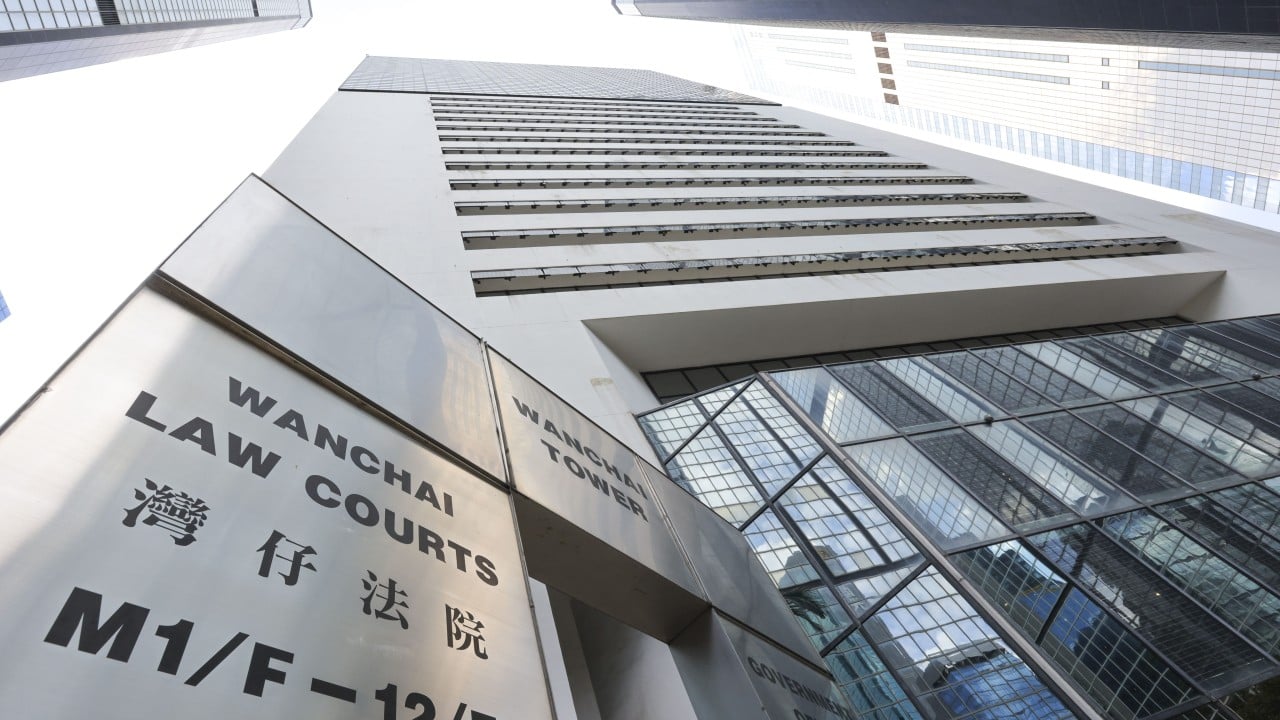
Hong Kong Cop Jailed for Extorting HK$60,000 from Rape Suspect
A Hong Kong police officer's 16-month prison sentence highlights systemic corruption in law enforcement, raising concerns over the integrity of sexual assault investigations. This case underscores vulnerability in legal processes and public trust in authorities.
Constable Ng Wai-fung, a Hong Kong police officer, has been sentenced to 16 months in prison for extorting HK$60,000 (approximately US$7,675) from a suspect in a rape case. The corruption was exposed during an investigation into Ng's misconduct while handling a case involving a 16-year-old girl, further complicating already fraught perceptions of justice in the region. The significant breach of trust by a law enforcement officer calls into question the credibility of police investigations in sensitive cases involving sexual offenses.
This incident was not an isolated occurrence but rather part of a troubling pattern of corruption within Hong Kong's police force. Rising discontent towards law enforcement, particularly following widespread protests in 2019 against alleged police brutality and the erosion of civil liberties, has created an environment where misconduct can thrive. Ng’s actions come in a prolonged historical context of police officers facing mounting scrutiny, leading the public to question their integrity and dedication to justice.
The significance of Ng’s case stretches beyond the individual act of extortion, spotlighting systemic deficiencies in the Hong Kong legal system. Scrutiny of law enforcement practices directly impacts public trust, especially in cases involving vulnerable victims like minors. In this context, Ng’s conviction is emblematic of a broader crisis in governance and accountability, exposing critical vulnerabilities in police oversight and the prosecution process.
Key players in this scenario include the Hong Kong police force and the Department of Justice. Ng's defense argued frustration with perceived leniency toward suspects in sexual assault cases played a role in his misconduct, revealing internal tensions and a lack of cohesive strategy in handling such sensitive prosecutions. The failure to uphold the law by those sworn to defend it signals deep-rooted issues within public trust mechanisms.
Operational details of the case indicate a troubling misuse of power; the extorted funds were taken during the officer's direct management of a sensitive investigation that included a minor victim. The monetary value of HK$60,000 is not merely a sum but a stark indicator of how corruption can seep into the policing of serious crimes. Ng's guilty plea to misconduct in public office reveals an alarming precedent for how public officials can exploit their authority.
Potential ramifications of this case extend well into police-community relations, where incidents like Ng's can erode the already fragile trust between the police and the populace. Increased scrutiny on police practices may lead to intensified calls for reforms in Hong Kong's law enforcement agencies, with the possibility of heightened public protests demanding accountability and systemic change.
Historically, this incident parallels other cases of police misconduct that have sparked nationwide debates about authority and accountability. For example, officers in various countries have faced jail sentences for abusing their power, highlighting a universal challenge faced by police forces globally, especially in regions experiencing civil unrest.
In terms of future developments, stakeholders should monitor shifts in public sentiment and government response following Ng's sentencing. Law enforcement leaders may need to initiate deeper reform measures to reassure the public of their commitment to integrity and justice. Surveillance of future prosecutions related to police misconduct will also serve as a critical indicator of the direction the Hong Kong judiciary is taking in handling such cases.