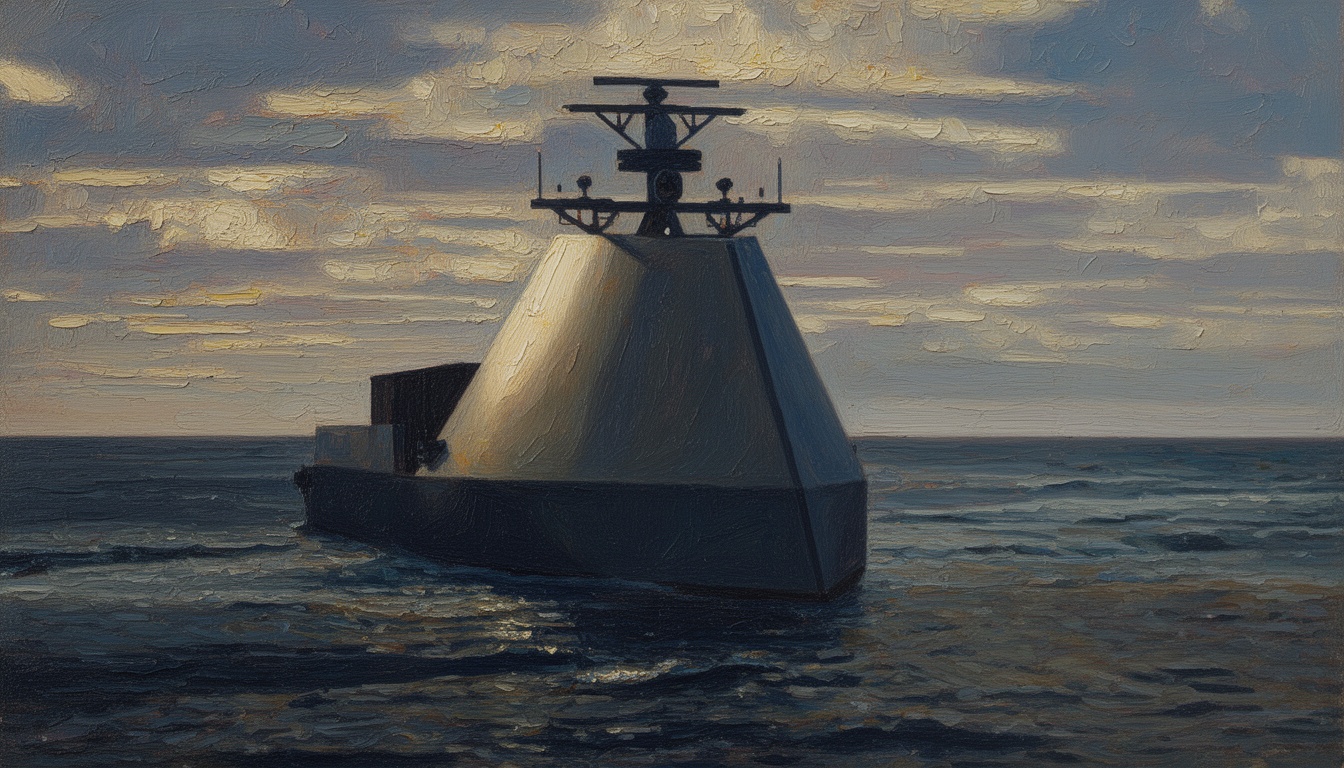
HII Accelerates ROMULUS USV Program, Four New Vessels Enter Production
HII moves ROMULUS 151 program into initial production with four new vessels transitioning to fabrication at Breaux Brothers Enterprises in Louisiana. The push signals a rapid ramp for autonomous maritime systems, expanding the USV fleet amidst growing near-term maritime competition. The program underscores rising emphasis on unmanned surface capabilities in US defense industrial policy.
HII confirms a decisive shift in the ROMULUS USV program, moving from developmental milestones toward active production. Four additional ROMULUS 151 vessels will be built by Breaux Brothers Enterprises in Louisiana, joining the ROMULUS 151 currently under construction. The production ramp underscores HII’s capacity to scale autonomous platforms and deliver on aggressive timelines. This development tightens the schedule for fielding new unmanned vessels across the fleet.
Background context shows ROMULUS as a modular 151-type USV designed to operate in contested littorals and open-ocean environments. The program aligns with broader U.S. naval modernization goals that prioritize autonomous autonomy, networked sensor-shooter paradigms, and distributed maritime operations. HII’s accelerated plan appears to synchronize with concurrent investments in hull, propulsion, and autonomy upgrades across the sector. Industry observers will watch how supply chains adapt to the four-ship production run and potential cascading orders.
Strategic significance centers on deterrence and operational resilience. ROMULUS USVs are expected to complement manned platforms by extending reach, reducing risk to crews, and enabling persistent surveillance and reconnaissance in high-threat zones. The rapid production push signals a broader push to scale unmanned capabilities as part of an integrated fleet architecture. The move could influence allied export markets and vendor competition in autonomous maritime systems.
Technical and operational details indicate a focused production line for the ROMULUS 151 class, with Breaux Brothers Enterprises handling fabrication in Louisiana. The four new vessels join already underway construction, indicating a multi-ship build cadence. While specifics on sensors, payloads, and endurance remain confidential, the program’s trajectory points to larger-adoption potential for modular mission packages and swarming capabilities. Budgetary figures and unit costs have not been disclosed in the release, but the scale of production implies a significant investment in industrial capacity.
Likely consequences include accelerated fielding timelines, tighter industrial partnerships, and heightened anticipation among potential adversaries regarding unmanned deterrence and force-multiplying effects. The immediate effect will be a faster incorporation of ROMULUS USVs into testing and early operations, informing doctrine, tactics, and training. Looking ahead, the program could catalyze further investment in autonomous maritime systems, expand roles for unmanned platforms in littoral conflict scenarios, and shape allied interoperability in future naval campaigns.