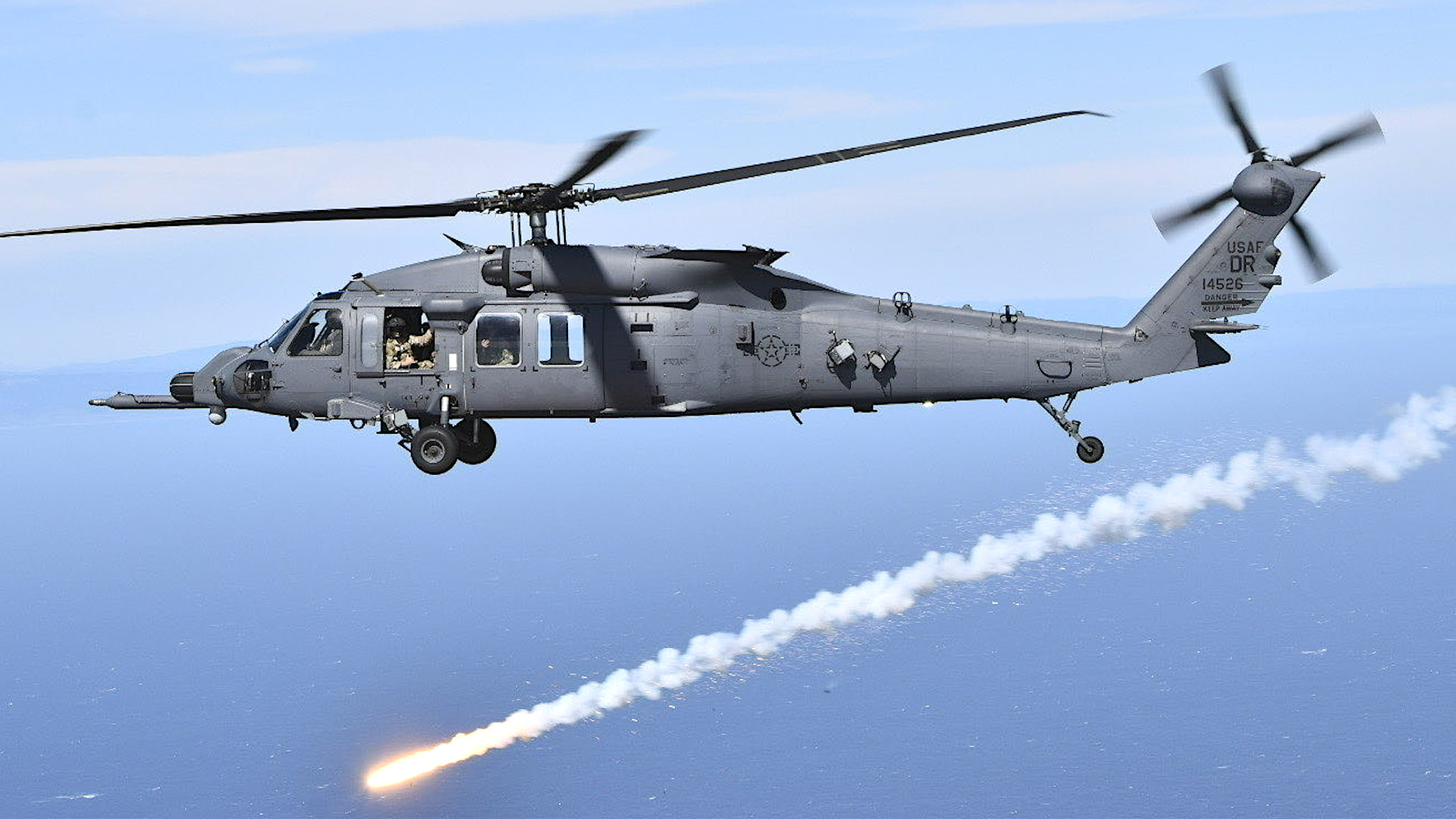
HH-60W To Lead Doomsday Evacuation in Washington
The HH-60W Combat Rescue Helicopters will be upgraded for VIP airlift and continuity of government missions in the nation’s capital. They will replace aging UH-1N Twin Hueys in the critical role. The change signals a sharpened focus on presidential protection and crisis response in Washington, with broader implications for national resilience.
The United States is moving its critical Doomsday evacuation and continuity-of-government (COG) missions into a more capable platform. HH-60W Combat Rescue Helicopters will be modified to assume VIP airlift duties and essential COG operations in the nation’s capital. This transition will see the helicopters replace aging UH-1N Twin Hueys that have performed similar roles for decades. The move underscores a deliberate upgrade of the capital’s crisis-response architecture and its ability to move senior leadership under high-threat conditions.
Context for the shift lies in the evolving risk landscape around the national capital region. Doomsday planning has long included multiple layers of redundancy for presidential and government continuity. Upgrading to the HH-60W aligns with broader modernization efforts within the Air Force’s rescue and special-moperations portfolios. The retrofit also reflects lessons from past emergencies where air mobility and survivability were critical to rapid leadership relocation. This decision reinforces the message that the capital remains defended and governability is preserved under crisis.
Strategically, the modification enhances regional dissuasion and crisis management. By elevating the platform to VIP airlift and COG duties, Washington gains a more survivable, versatile asset for rapid movement and helicopter-borne continuity actions. The HH-60W’s increased performance and survivability contribute to deterrence by deniable denial and show of force in crisis scenarios. It also communicates to allies and adversaries that the executive branch retains robust emergency mobility options.
Technically, the HH-60W variants bring upgraded survivability, avionics, and search-and-rescue capabilities tailored for high-threat environments. The airframe remains a twin-engine, long-endurance helicopter with advanced radar, communications, and self-protection systems. The exact integration details for VIP airlift are not publicly disclosed, but will include secure comms, secure ingress/egress, and mission-system suites suitable for continuity-of-government operations. The transition will be staged alongside ongoing fleet refresh programs and pilot academic training for high-threat evacuation scenarios.
Looking ahead, the Washington Doomsday mission will set a precedent for survivable senior-leadership mobility in capital cities worldwide. Longer-term implications include potential expansion of HH-60W roles into other high-risk urban centers and increased interoperability with other service branches’ COG planning. Analysts expect continued investment in protected transport, cyber-secure comms, and redundancy across command-and-control links to keep governing authorities functional in worst-case scenarios.