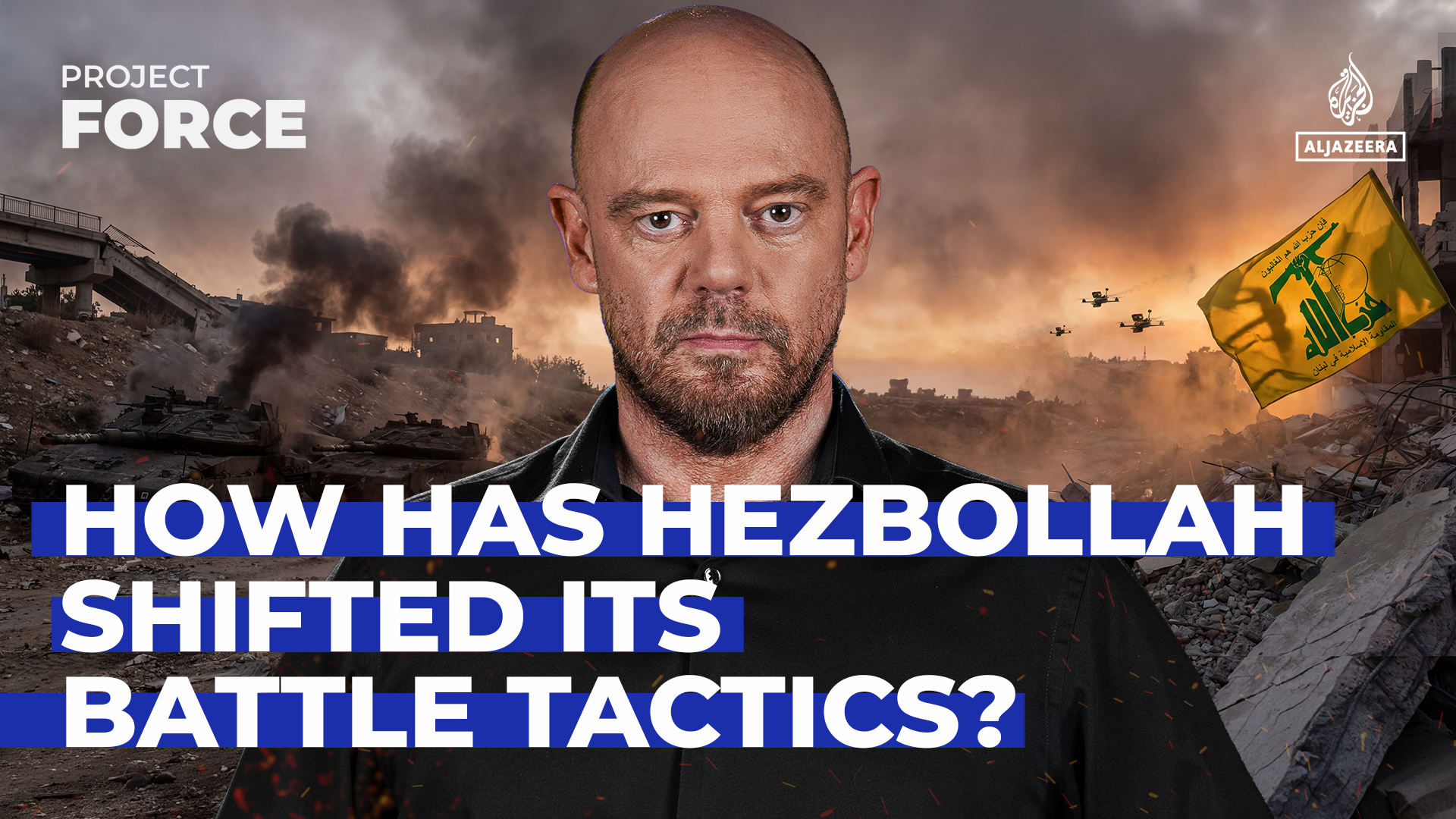
Hezbollah shifts battle tactics, signaling a potential new weapons mix
Hezbollah is altering its combat methods and weapon choices, a shift with regional security implications. The move could affect deterrence dynamics with adversaries and influence Lebanon's stability. Analysts are watching for indicators of new capabilities and command-and-control changes.
Hezbollah has begun to adjust its battle tactics and the weapons it deploys, according to early open-source observations and expert analyses. The change appears to be a deliberate shift rather than a routine modernization, indicating a reassessment of threat environments and deterrence calculations. The organization’s record shows flexibility in adapting to external pressure, which could translate into a broader repertoire of strike options and survivability measures on the battlefield.
Contextually, Hezbollah has long operated as a hybrid force, combining conventional and irregular approaches with a focus on deterrence against multiple adversaries. The current tactical evolution seems designed to complicate enemy targeting and complicate intelligence assessments. As tensions in the regional security environment fluctuate, the group’s emphasis on adaptability may reflect lessons learned from past engagements and ongoing supply dynamics from allied networks. The evolution also carries political reverberations for Lebanon, where domestic factions closely track militant capabilities and external actors weight the balance of power.
Strategically, the shift underscores the fragility of the deterrence equilibrium in the Levant. An expanded weapons mix and revised tactics could raise the risk calculus for neighboring states and non-state actors. It may constrain potential adversaries by introducing uncertainty about Hezbollah’s next move and the clocks of retaliation. Such a development could also embolden allied proxies or complicate diplomatic efforts aimed at stabilizing the area, potentially raising regional flashpoints and the tempo of escalation.
Technical and operational details remain discrete. Analysts are looking for signals of changes in command-and-control structures, logistics pipelines, and the integration of new delivery platforms or munition types. Budgets, procurement channels, and the training regimes that accompany a tactical shift are also under scrutiny, as these elements determine how quickly any new capability could be fielded. Until verified indicators emerge, the assessment remains cautious but clearly oriented toward a broader, more agile threat landscape.
Likely consequences include heightened vigilance by regional militaries, potential changes in alliance calculus, and extended cycle times for diplomatic engagement. If the trend persists, expect clearer indicators of capability diversification, more dynamic theater-level operations, and a rebalancing of risk across the Lebanon-Israel border and adjacent theaters. Forward assessment suggests a careful watch on intelligence indicators, including procurement signals, training intensities, and the appearance of unfamiliar munitions in public or private catalogs.