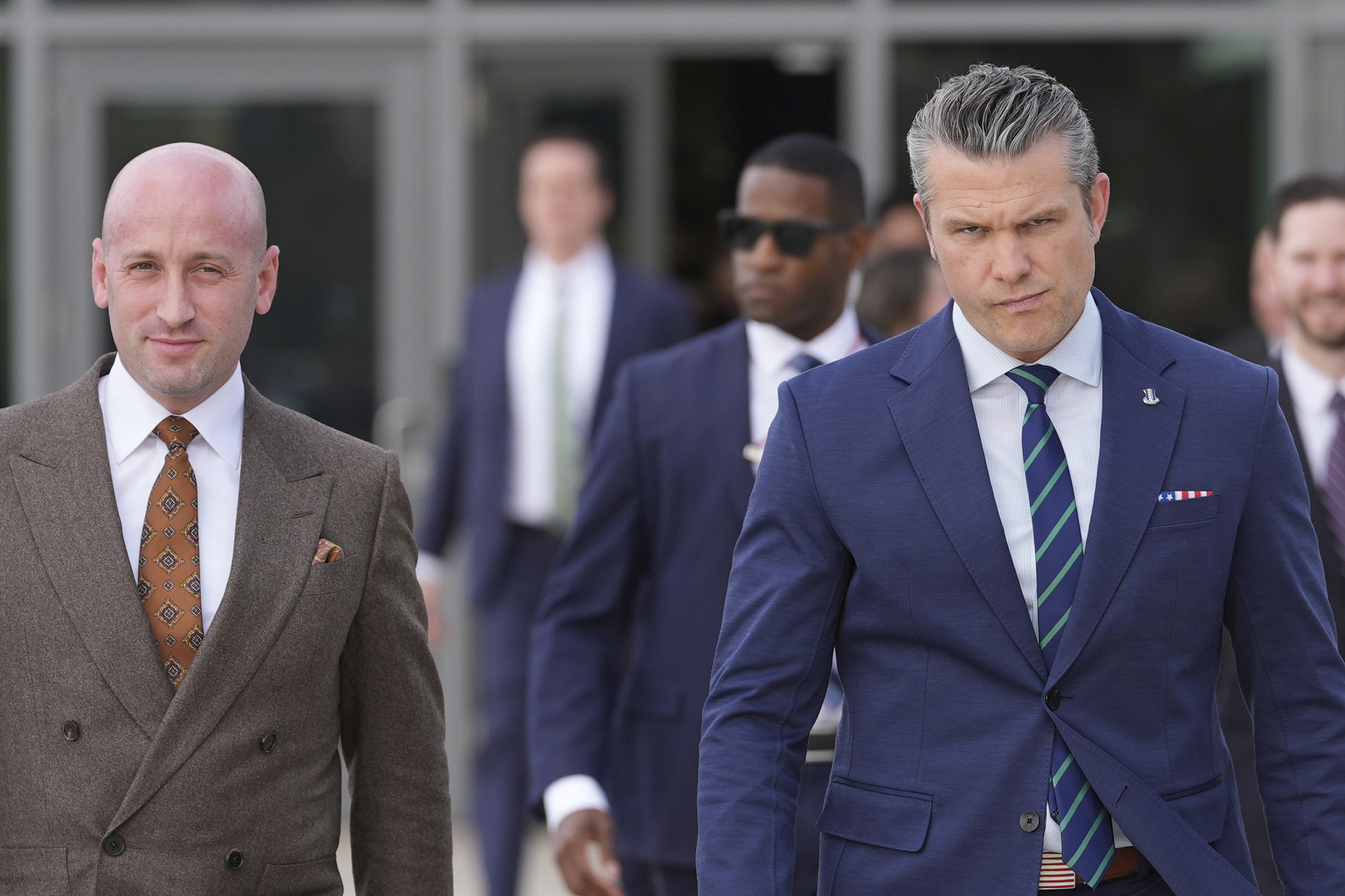
Hegseth Sparks Outrage Over First US Deaths in Iran Conflict
Veteran comments minimize the significance of US casualties, igniting national backlash. The situation reflects broader tensions in the burgeoning conflict between the US and Iran.
Fox News commentator Pete Hegseth has faced intense criticism for downplaying the deaths of US soldiers in the ongoing conflict with Iran, labeling media coverage as an attempt to tarnish the image of the president. His remarks came after the reported deaths of three US servicemen, prompting outrage at a moment when public sentiment is sensitive to military loss. This incident illustrates a dangerous trend of politicizing military casualties in an already fraught situation.
The ongoing conflict in Iran is a culmination of years of escalating tensions between the US and Iran, exacerbated by the US's withdrawal from the Iran nuclear deal in 2018 and subsequent sanctions that have crippled the Iranian economy. The recent clash marks a significant turning point, with Iran's Revolutionary Guard launching strikes against US forces in response to perceived provocations. Hegseth's comments divert attention from the ramifications of military engagements that extend beyond domestic politics into critical international security dynamics.
The significance of Hegseth's comments lies in how they reflect a broader narrative surrounding military engagement in foreign conflicts. Minimizing the impact of US casualties could embolden adversaries while simultaneously alienating the military community and their families who bear the brunt of these policies. This discourse carries weight, potentially undermining civilian support for military operations and influencing legislative action on defense spending and foreign policy critiques.
Key actors in this unfolding drama include both the US government and Iran, each staking claims over narratives concerning military presence and national safety. Hegseth's viewpoint may resonate with a base eager to support military action without acknowledging its costs. However, it may neglect the complex realities faced by soldiers and their families, who grapple with the consequences of political rhetoric amidst active military operations.
Operationally, the US faces logistical and tactical challenges in the wake of these casualties. The Pentagon must now reassess its strategies in Iraq and Syria, where Iranian influence is strong and US forces are increasingly at risk. With over 50,000 troops stationed in various capacities in the Middle East, the potential for further losses raises questions about operational readiness and strategic objectives, particularly in engagements involving drone warfare and ground troop deployments.
The likely consequences of Hegseth's comments could lead to a polarization of public opinion regarding the ongoing conflict. As domestic backlash grows, it is plausible that protests or calls for accountability could intensify, pressuring the government to alter its military engagement strategy. Additionally, Iranian forces may take this rhetoric as an opportunity to escalate their operations against US interests.
Historically, there are precedents for such divisive rhetoric leading to escalated conflict. The Vietnam War witnessed similar public relations struggles as casualty counts climbed, eventually leading to significant shifts in US military strategies abroad. The pattern of minimizing or politicizing casualties has, in past conflicts, ignited protests and calls for withdrawal.
In terms of forward assessment, one must watch closely for indicators of public sentiment regarding military engagement in Iran. Polls on troop deployment and casualty tolerance will be telling. Additionally, conflicts could arise from further military confrontations, creating a cycle of escalation that may compel Congress to reevaluate the Authorization for Use of Military Force (AUMF). Heightened scrutiny on military strategies and diplomatic engagements with Iran will also be crucial in the coming weeks.