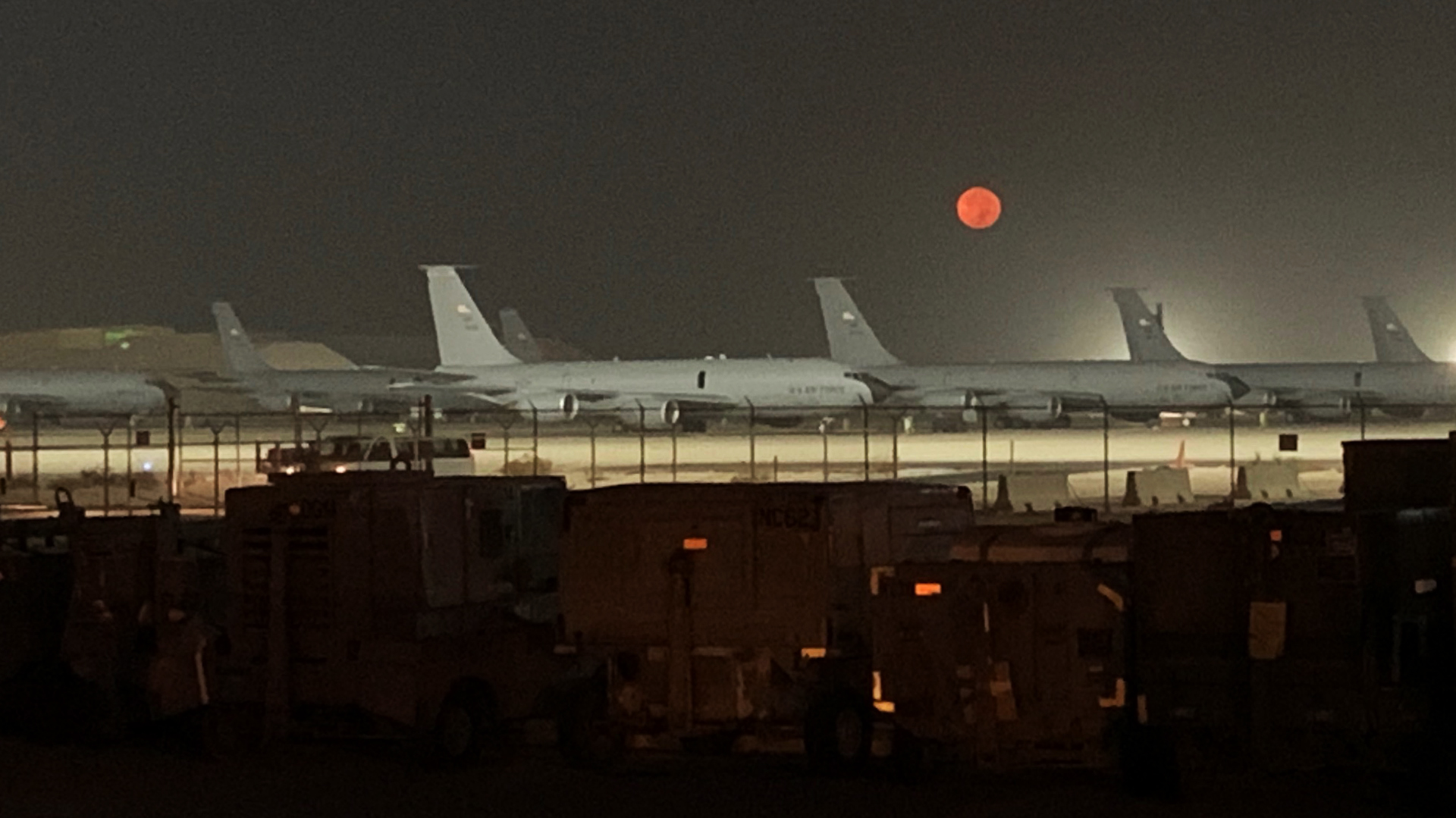
Hardened Underground Bunkers Sought at Al Udeid Air Base
Iranian missile and drone assaults on Al Udeid Air Base expose critical vulnerability of exposed military infrastructure. Demand surges for fortified underground facilities to shield personnel and vital assets from future strikes. This development signals a strategic pivot toward enhanced resilience amid regional tensions.
Recent Iranian strikes on Al Udeid Air Base have underscored the critical need for hardened underground facilities to protect troops and key military infrastructure. The attacks, involving precision missile and drone strikes, exposed the vulnerability of above-ground assets and personnel to increasingly sophisticated Iranian tactics.
Al Udeid Air Base, a pivotal US and coalition hub in Qatar, hosts thousands of military personnel and serves as a strategic lynchpin for operations across the Middle East. Its exposure to Iranian retaliatory strikes following regional escalations marks a significant security challenge.
The move to develop bomb-resistant underground bunkers and hardened shelters reflects a strategic effort to mitigate risk and maintain operational continuity. Hardened infrastructure reduces casualties, equipment losses, and operational downtime during future missile or drone barrages.
Technically, these underground facilities incorporate reinforced concrete, blast doors, and electromagnetic shielding designed to withstand tactical ballistic missiles and complex drone swarm attacks. Budget allocations are expected to rise sharply to cover construction and retrofitting of existing vulnerable infrastructure.
Going forward, the fortified upgrade of Al Udeid will likely prompt regional actors to accelerate their own shelter and hardening measures, increasing the militarization and defensive posturing in an already volatile theater of operations.