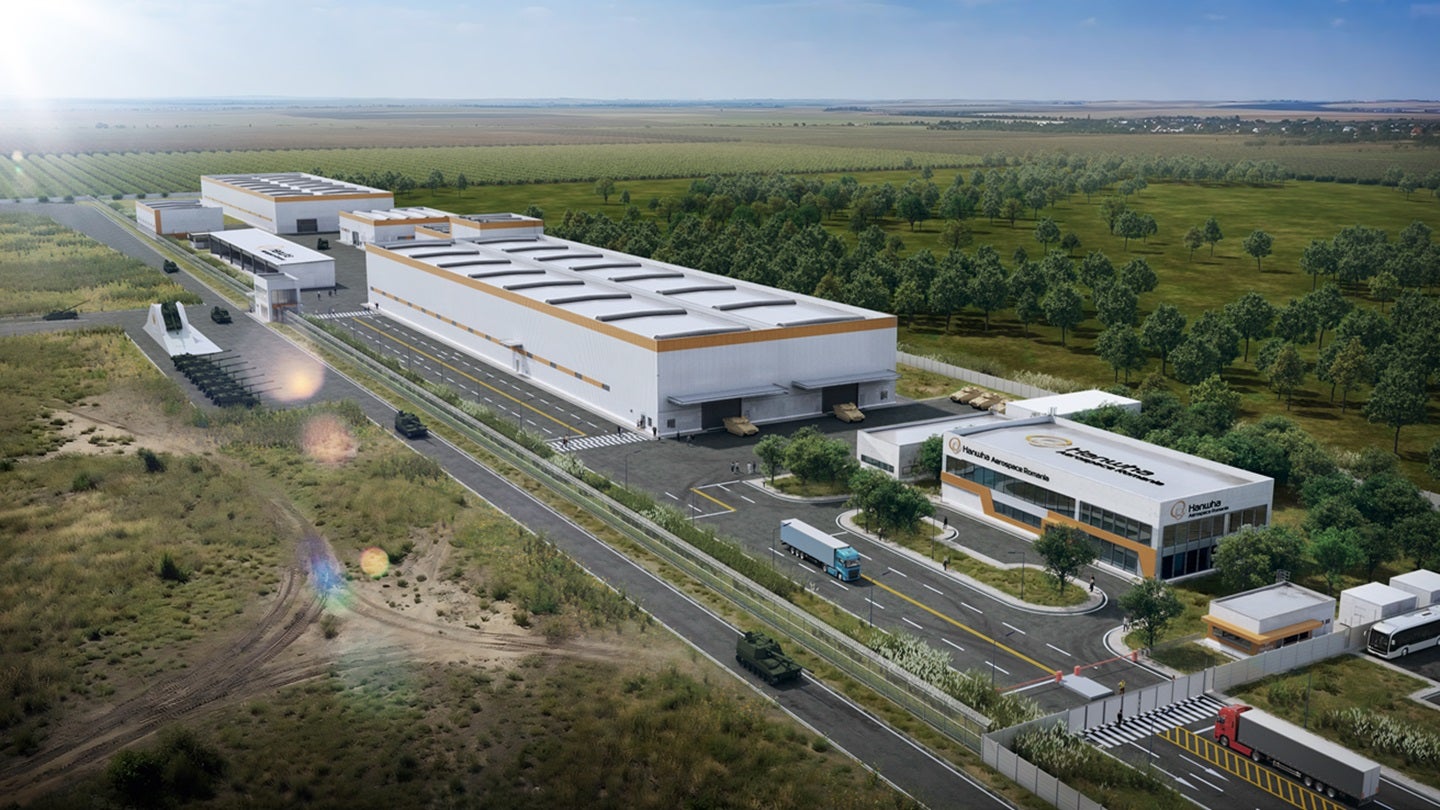
Hanwha Aerospace Launches First European Armored Vehicle Production Facility in Romania
Hanwha Aerospace has initiated construction of its first European production site in Romania, focusing on armored vehicles. This strategic move underlines the company's commitment to expanding its footprint and capabilities within the European defense sector amidst growing regional security demands.
Hanwha Aerospace has officially commenced construction of its inaugural European production facility located in Petrești, Dâmbovița County, Romania. This facility will specialize in the manufacturing of armored vehicles, which is crucial for enhancing local defense capabilities. The project marks a significant milestone for Hanwha Aerospace, as it seeks to penetrate the European defense market and respond to rising demand for advanced military equipment in the region.
The establishment of this production site is pertinent in the context of Europe’s need to bolster its military readiness and capabilities in light of ongoing security challenges. The recent escalation of geopolitical tensions, particularly due to Russia's aggressive actions in Eastern Europe, has prompted many nations to reconsider their defense postures and increase domestic production of military equipment. Hanwha's decision reflects a broader trend among defense contractors seeking to localize production and foster partnerships within European nations.
Key players in this strategic move include the Romanian government, which is keen on enhancing national defense infrastructure and capabilities, and Hanwha Aerospace, which aims to establish its presence in a competitive market dominated by established European defense firms. Romania's location also provides strategic access to both Eastern and Central European markets, aligning with NATO's objectives to reinforce collective security in the region.
The implications of this development extend beyond Romania to the entire European defense landscape. With this facility, Hanwha Aerospace could significantly contribute to NATO's defense initiatives, potentially supplying member states with locally produced military hardware. This move could also provoke responses from competitors, necessitating adjustments in pricing, technological advancements, and supply chain strategies among European defense manufacturers.
Historically, significant foreign investments in European defense infrastructure have often led to increased collaboration with local governments and industries. This facility could pave the way for future partnerships and technological exchanges between South Korean and European defense sectors, fostering innovation in armored vehicle technology and production techniques.
Analyst assessments indicate that as geopolitical tensions continue to rise, the establishment of such production facilities will be vital. The balance of power in Europe may be influenced by the extent to which nations establish autonomous military production capabilities, thereby reducing reliance on external sources amidst supply chain vulnerabilities highlighted by recent global crises. The ongoing developments should be monitored closely for shifts in defense policy and production capacities across Europe.