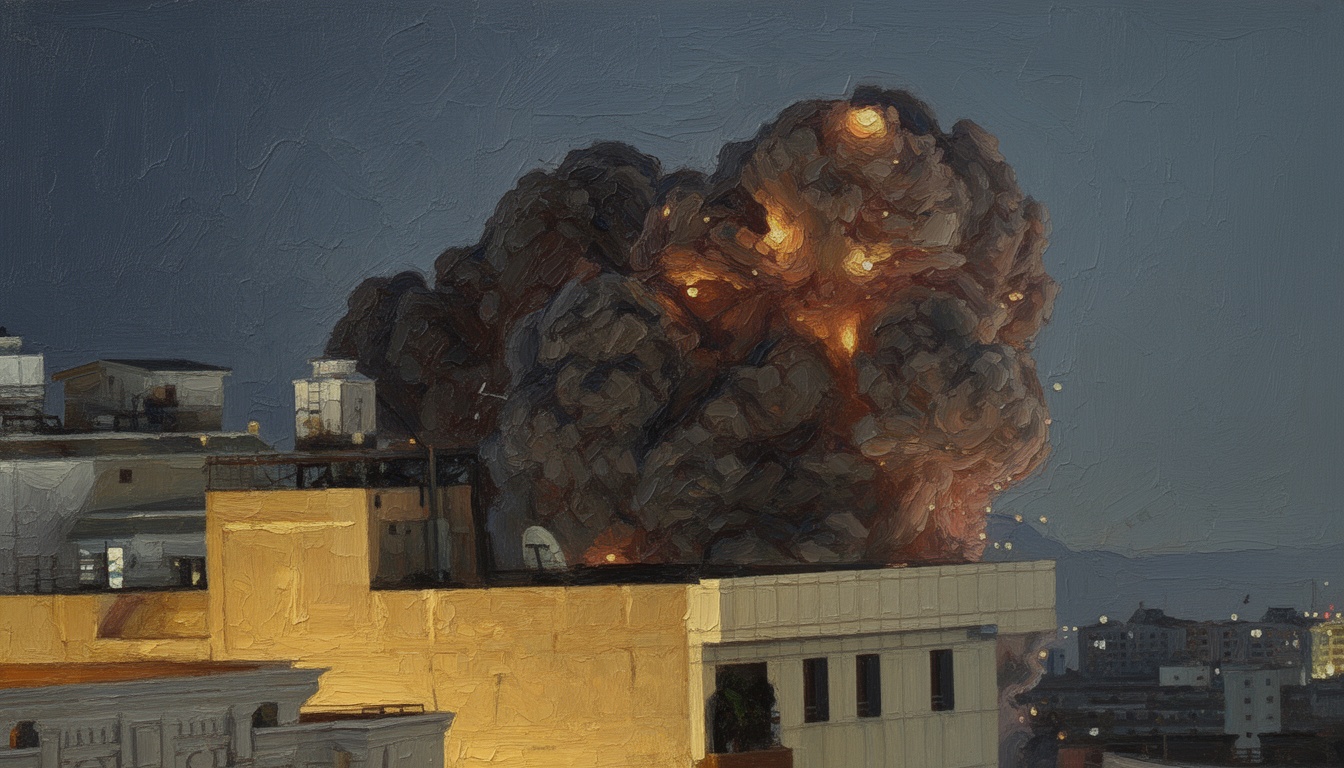
Gulf States Demand Trump Extend US Bombing of Iran, Officials Warn
Key Gulf allies led by Saudi Arabia and UAE press the US to prolong its Iran bombing campaign, citing Tehran’s resiliency despite weeks of airstrikes. This escalates regional tensions and risks wider conflict in the Middle East.
Gulf allies of the United States, led by Saudi Arabia and the United Arab Emirates, are pressing President Donald Trump to extend the US-led bombardment campaign against Iran. These allies argue that the month-long bombing operation has not sufficiently weakened Tehran’s military capabilities, according to US, Gulf, and Israeli officials. The push to continue airstrikes marks a significant escalation in pressure from Gulf states demanding a more robust US military posture toward Iran.
At the start of the conflict, Gulf partners expressed frustration over their exclusion from initial planning and advance notice of the US-Israeli military actions targeting Iran. They voiced concerns that Washington had underestimated Tehran’s resilience and that their warnings about the conflict’s potential escalation were dismissed. This has led to underlying tensions between the US and key regional allies about coordination and strategic priorities in confronting Iran.
The Gulf states view prolonging the bombing campaign as critical to degrading Iran’s capabilities, which include ballistic missiles, drone forces, and proxy militias operating throughout the Middle East. Saudi Arabia and the UAE fear that insufficient damage to Iran could embolden Tehran to intensify asymmetric warfare tactics against Gulf interests and US forces in the region. Strategically, continued US military pressure is seen as essential to containing Iran’s expansion and deterring further provocations.
Operationally, the campaign relies on US Air Force and Navy strike assets employing precision-guided munitions targeting Iranian military infrastructure within Iran and key proxy sites in Iraq and Syria. Gulf allies provide intelligence support, logistics, and potentially forward bases for US forces. The estimated cost of ongoing operations runs into hundreds of millions of dollars monthly and involves sustained deployment of hundreds of aircraft and support personnel across multiple locations.
If the US heeds Gulf demands to prolong its bombing, it risks deepening hostilities with Iran and escalating the wider regional conflict. Tehran is likely to respond with increased missile and drone attacks against Gulf facilities and US military positions. The intensification of conflict could draw in other actors and destabilize the broader Middle East, challenging US and allied security objectives in the region.